Hi all,
I hope you are well. Wait, do I? Is the actual meaning of this opening email line “Do not write back and give the other person a bulletin on your health”? The Economist has a painfully funny guide to email opening lines, all of which I am guilty of using. But seriously, I hope you are well.
Disclosing AI Use
“Did you use AI for this?” It’s such a loaded question, but in 2026 it really shouldn’t be. Most of us recognize the value of AI, but we tend to downplay how much we use it in our day-to-day work (unless we’re bragging about it on LinkedIn). As a consultant and corporate trainer, I use AI regularly, and I’ve been making an effort to be more upfront about it with my clients, even when they don’t ask (and most don’t). Why? I want to show them how I’m using it to benefit our project. I want them to have a clear answer ready if their boss ever asks. And I want to demonstrate that I’m aware of the risks and actively managing them. And as someone who trains marketing teams on AI, I want to lead by example when it comes to transparency.
So, I’ve started including an AI use disclosure section in my statements of work. It’s a simple 1-pager tailored to the type of work Kickframe provides, but the core topics (i.e., disclosure, data protection, accuracy, and tools) can be adapted for most industries.
If you’re interested, download a copy here and make it your own.
AI & Marketing
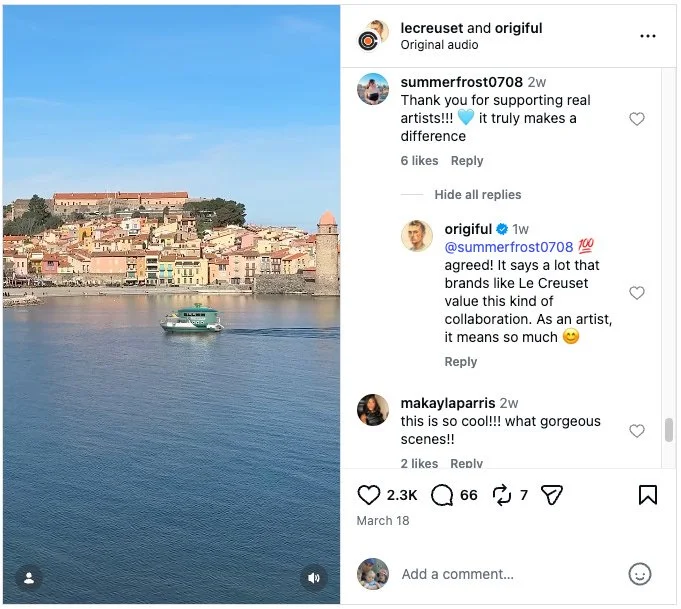
Speaking of AI use and disclosure, brands like Le Creuset and Aerie are committing to not using AI in their advertising. This ‘made-by-humans’ stance is receiving positive reactions on social. I’m curious how long this positioning lasts for marketers, since 70% of consumers can’t tell if advertising is AI-generated. It may be more a signal to the industry than to consumers.
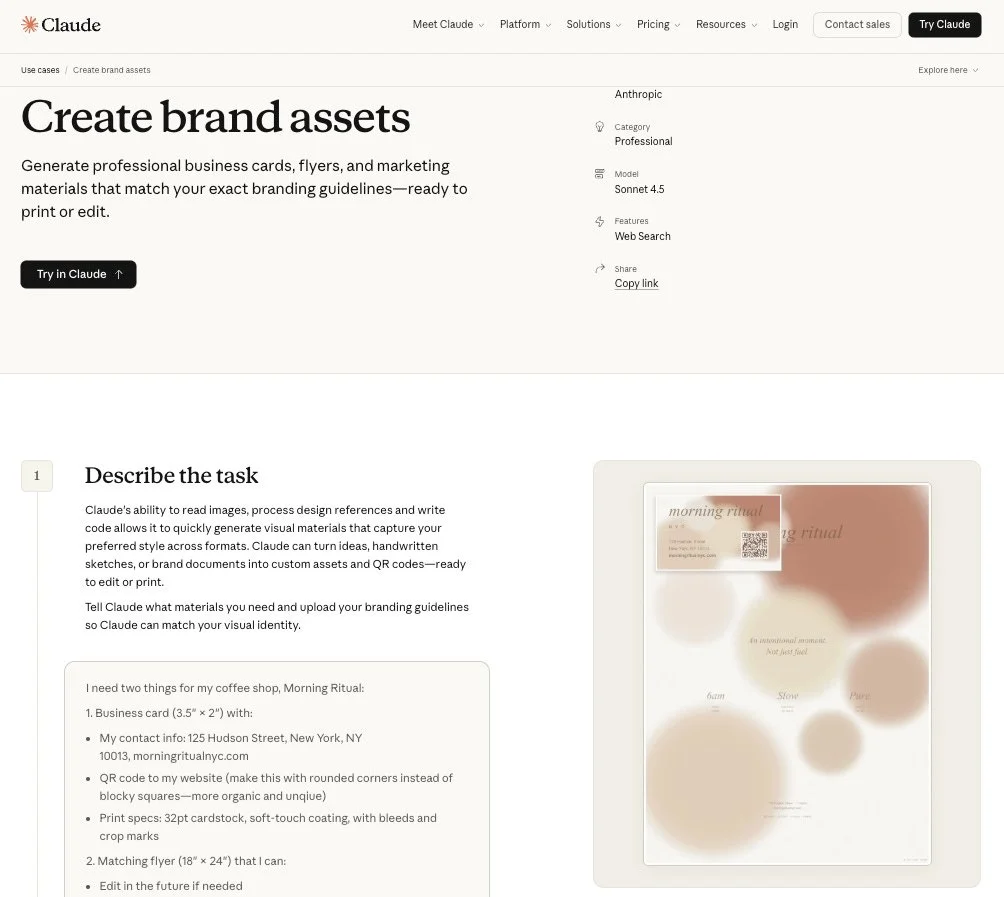
The feelings around this make sense. Anthropic recently published a report that ranked market research analysts and marketing specialists 5th out of 800 occupations most exposed to AI displacement (Anthropic also just published a guide to use Claude to create brand assets). Mark Ritson shared this thoughts on this in a recent piece, arguing that much of what marketers do overlaps with what AI is already good at. His advice for marketers is spot on: invest in training to learn marketing fundamentals and build fluency with AI tools so you can direct them, not be replaced by them.
Fresh Research
Effects of Relying on AI at Work: A new study finds that passively copying AI output undermines your self-efficacy, ownership, and sense of meaning at work. But drafting your own work first and then using AI to refine it preserves your connection to it.
Navigating the Jagged Technological Frontier: (Ethan Mollick): A new paper explores the useful concept of viewing AI as a “jagged frontier,” showing that knowledge workers perform better when they use AI for parts of a workflow it handles well (within the frontier), but can perform worse when they apply it to tasks outside that frontier.
What 81,00 People Want from AI (Anthropic): Nuanced findings from virtual interviews with Claude users, highlighting key points of tension with AI (Learning vs. Cognitive Atrophy, Emotional Support vs. Emotional Dependence, Economic Empowerment vs. Economic Displacement).
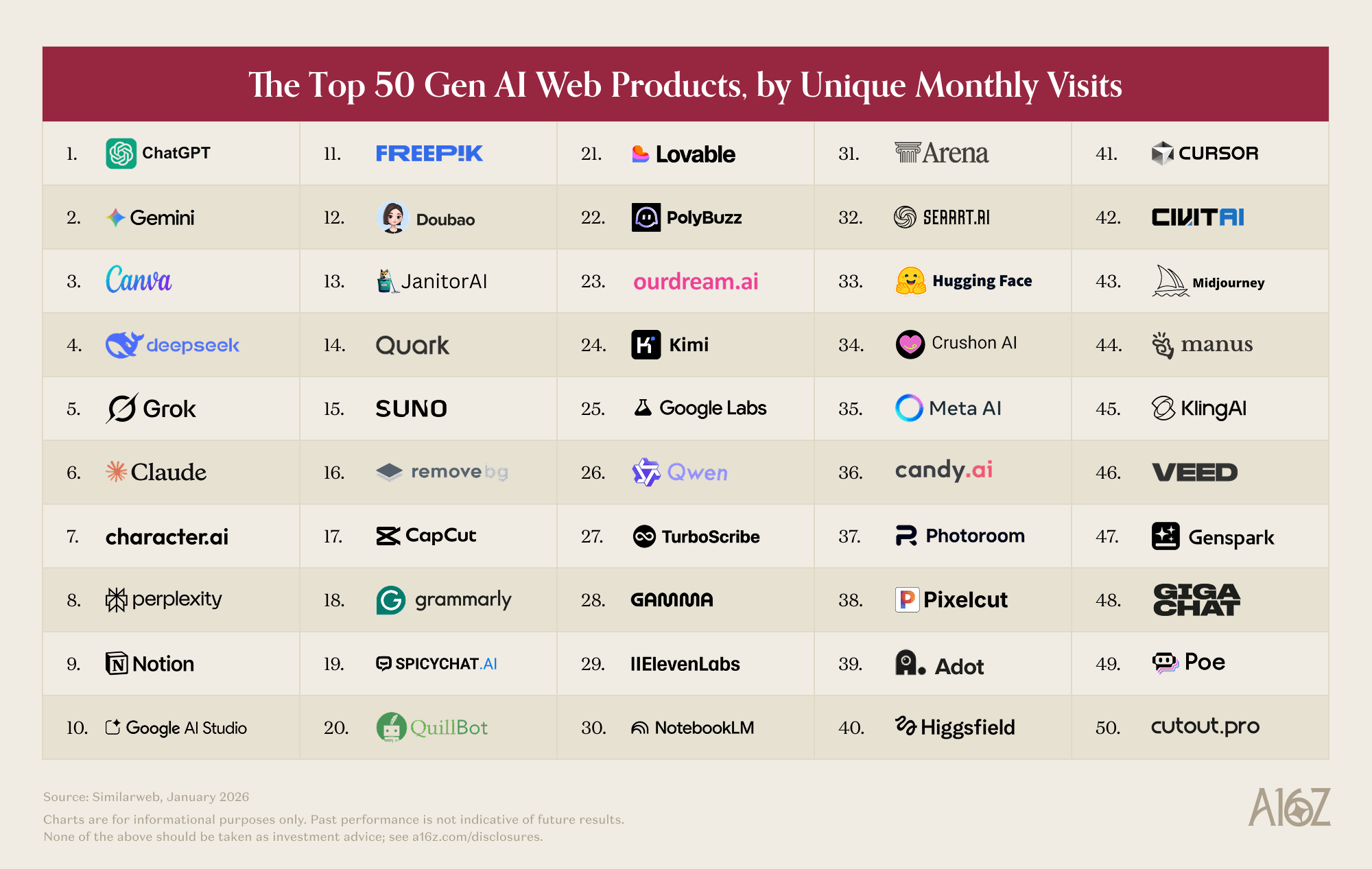
The Top 100 Gen AI Consumer Apps (Andreesen Horowitz): 6th edition of this report, shows the growth of agents and creative tools beyond image generation. Plus, a useful directory of the top 100 apps to try out.
Cool Beans
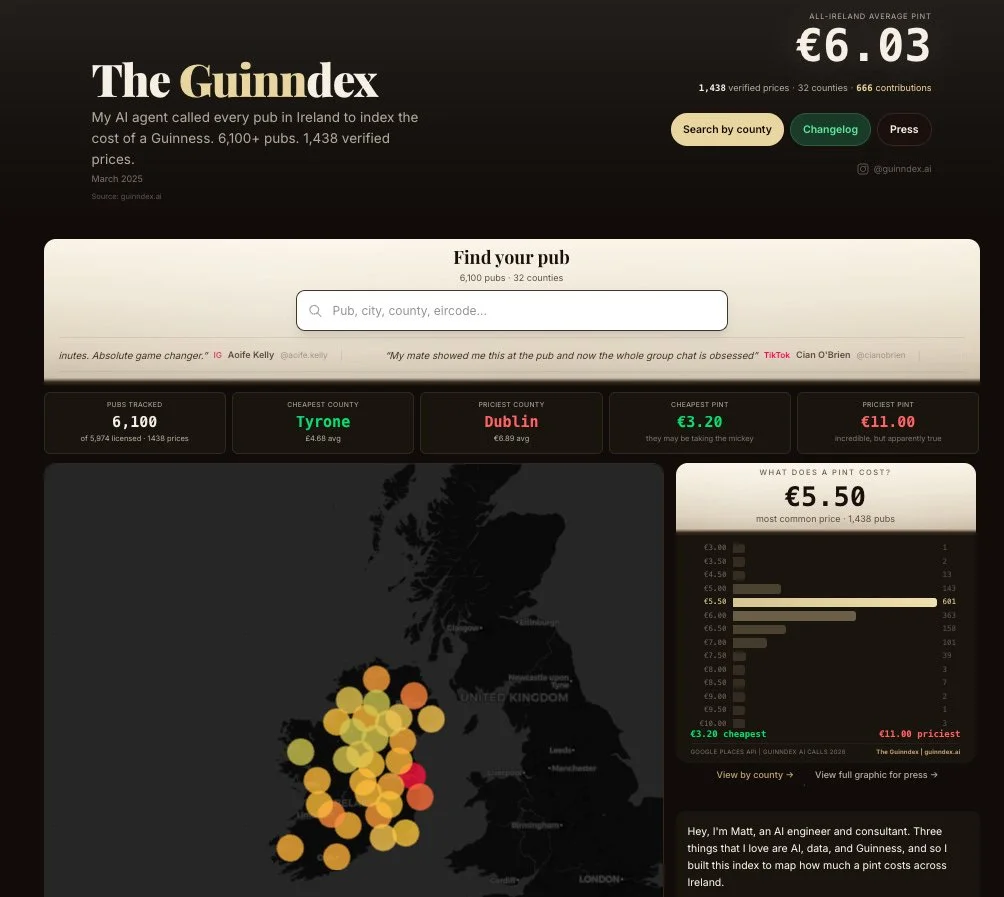
The Guinndex: An AI engineer created an AI agent that called every pub in Ireland (over 6,000) to track the cost of a Guinness. Who want to join me for a €5.52 pint at The Squealing Pig?
Restart Your Life: The ultimate ‘Choose Your Own Adventure’ Book - change a few variables about yourself and see how differently your life might turn out with this AI-powered simulation. Yikes.
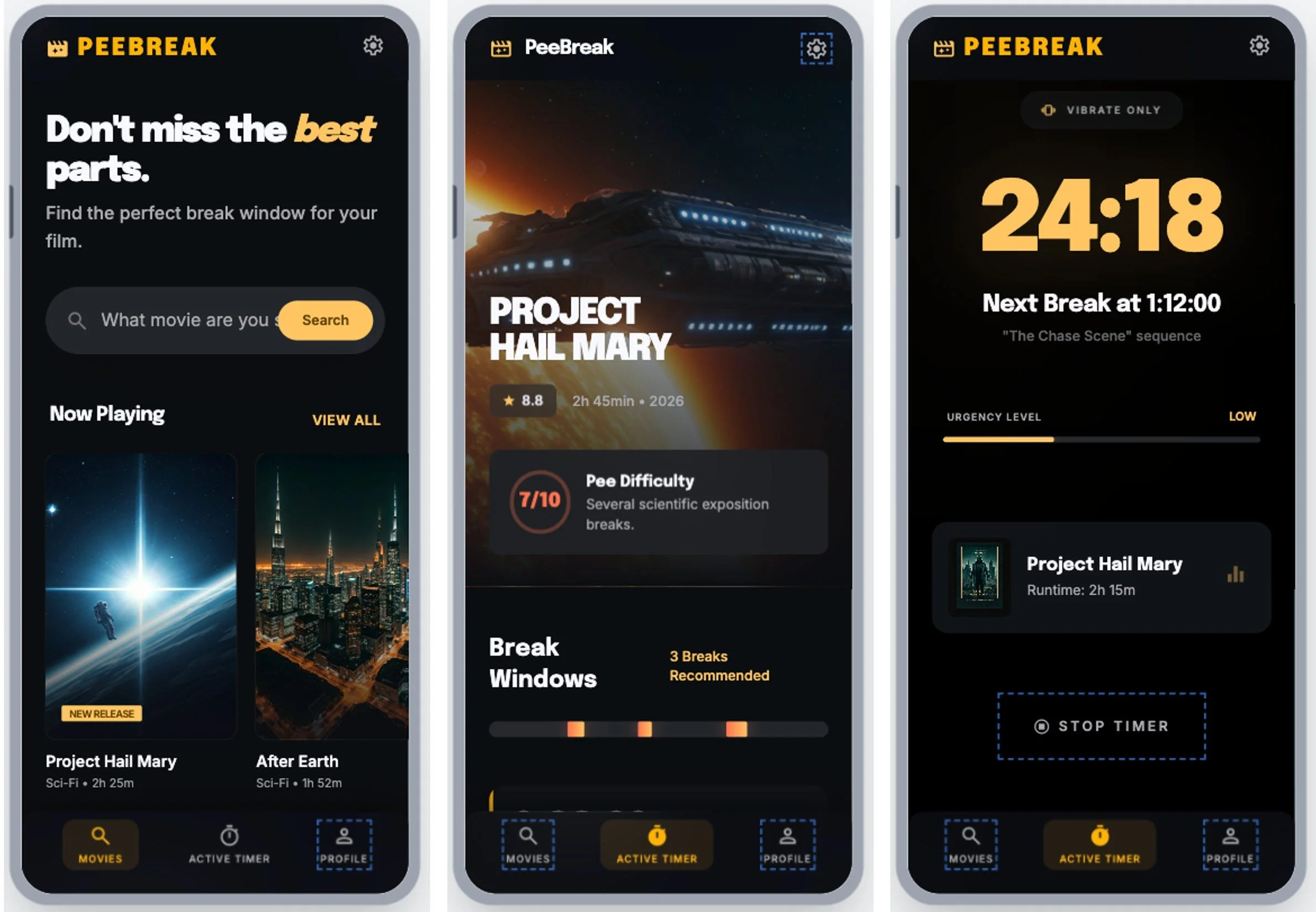
Stitch: A new service from Google that uses AI to help you “vibe design” high-fidelity UIs for digital products. Unlike tools like Replit that focus on coding a working product, you can use natural language to create UI designs and design systems. Here’s the design for a new app I created after watching the looong (but excellent) Project Hail Mary this weekend: