Hi all, just a quick note about something new I’m trying out here in the newsletter. If you’ve been following along, most of my focus has been on how marketers can use AI to help their work and their careers. My goal has always been to share things I find useful, so I hope you do too.
With that in mind, I’m going to start sharing more practical, hands-on examples of AI in action for everyday marketing tasks. Things I’m learning about, trying, or seeing with my clients and in my training work with teams. I’m going to try these as videos. And as you will soon see, I have the on-camera charisma of a newsletter writer. But, I’ll keep them short. Down the road, I’d love to feature some of you and your tips. This first one focuses on the basics: online research.
Download Research Prompt Builder (.MD file)
AI Adoption & Leadership Gap
The latest AI research confirms a familiar pattern: broad adoption, limited impact. A study of Canadian marketers found 81% are using AI, but only 22% use it extensively and just 21% say it meaningfully affects their day-to-day work. A new Microsoft study shows that AI adopters report saving 40 to 60 minutes a day, yet 40% also received “workslop” in the past month (AI-generated content that looks great, but isn’t accurate or useful).
The research also points to a gap between leadership intentions and on-the-ground reality when it comes to training and support. Role-specific AI training is rare, and structured change management support is largely absent. The numbers illustrate this disconnect clearly: 88% of executives say their employees have adequate AI tools, yet only 21% of workers agree. In the past 30 days, 54% of workers bypassed their company’s AI tools entirely and completed the work manually (some “quietly rebelling”). And when executives were asked to identify the top skills needed for AI success, only 6% named change leadership. Yikes.
The companies achieving better results approach AI adoption through this change management lens. Wharton’s AWARE framework is a useful starting point for leaders thinking about what their teams actually need: Acknowledge the psychological impact on your team, Watch for unhealthy coping behaviours, Align support systems, Redesign roles for human-AI complementarity, and Empower staff through transparency and participation.
Fresh Research
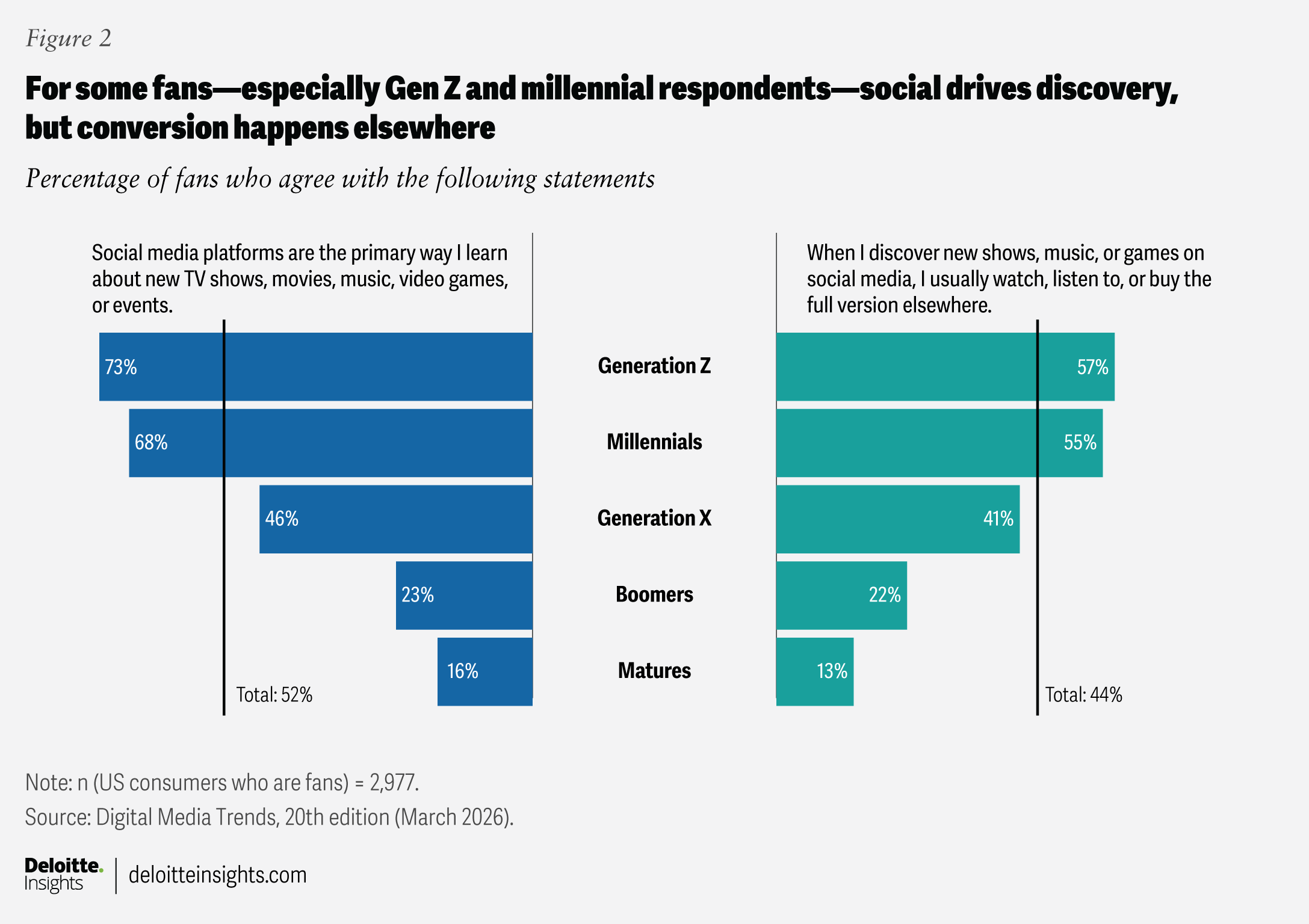
2026 Digital Trends (Deloitte): Deloitte’s annual survey on digital media consumption is back, with a useful data point for media planners: social drives discovery, but conversion happens elsewhere. Important reminder for teams measuring attribution.
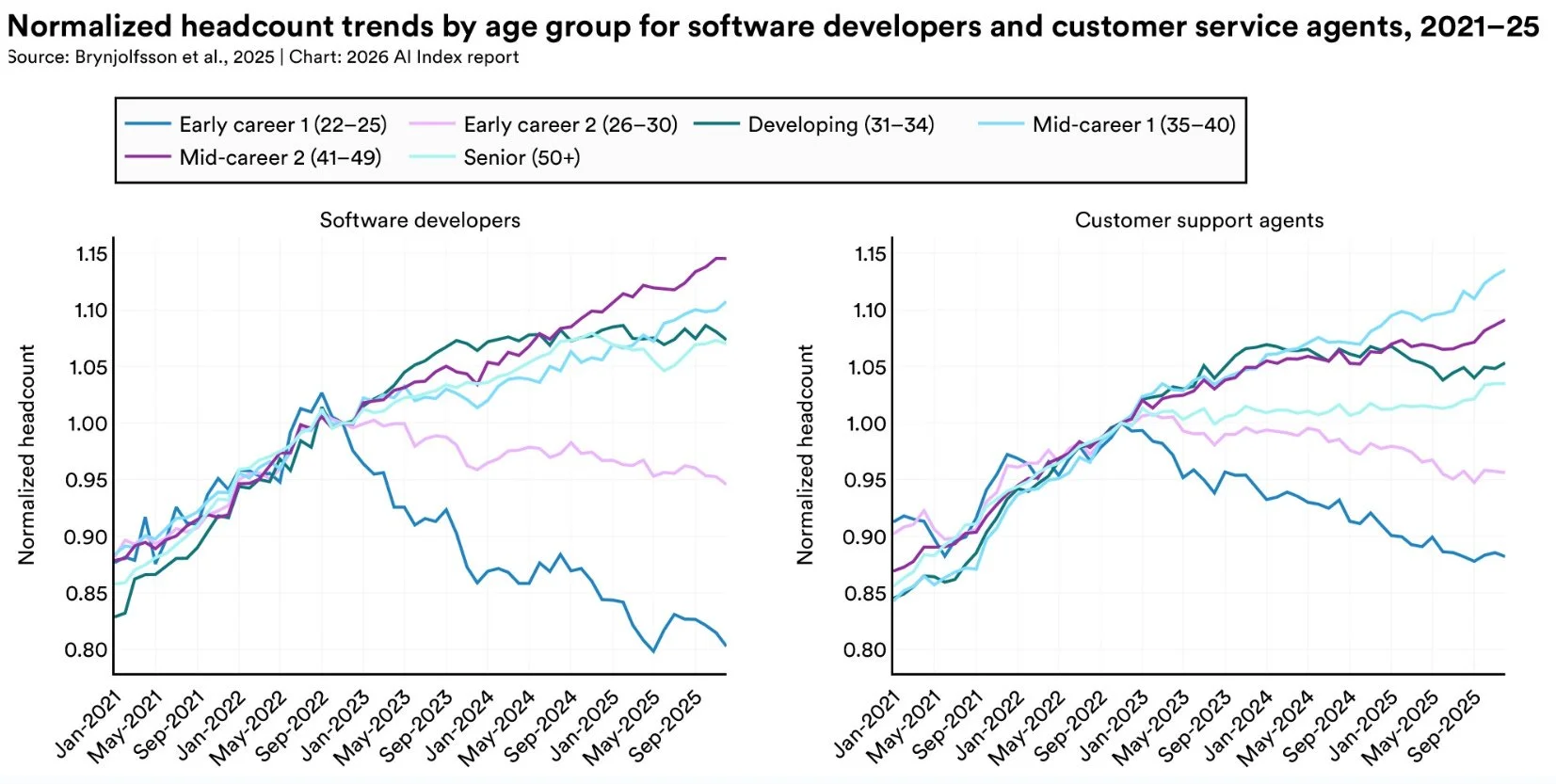
2026 AI Index Report (Stanford): Annual AI landscape report. Notable (and distressing) employment finding: entry-level jobs in AI-exposed fields like software development and customer support are declining, while mid-career and senior roles are holding steady or increasing.
Cool Beans
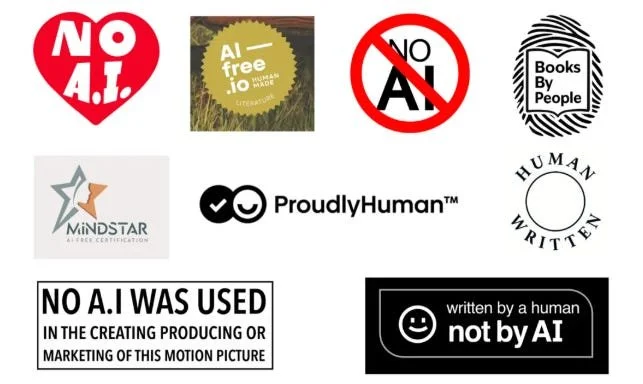
AI-Free Logo: Like “Canadian-Made” labels at the supermarket, companies are racing to create a definitive certification and logo for AI-free media. The “organic” label for digital media.
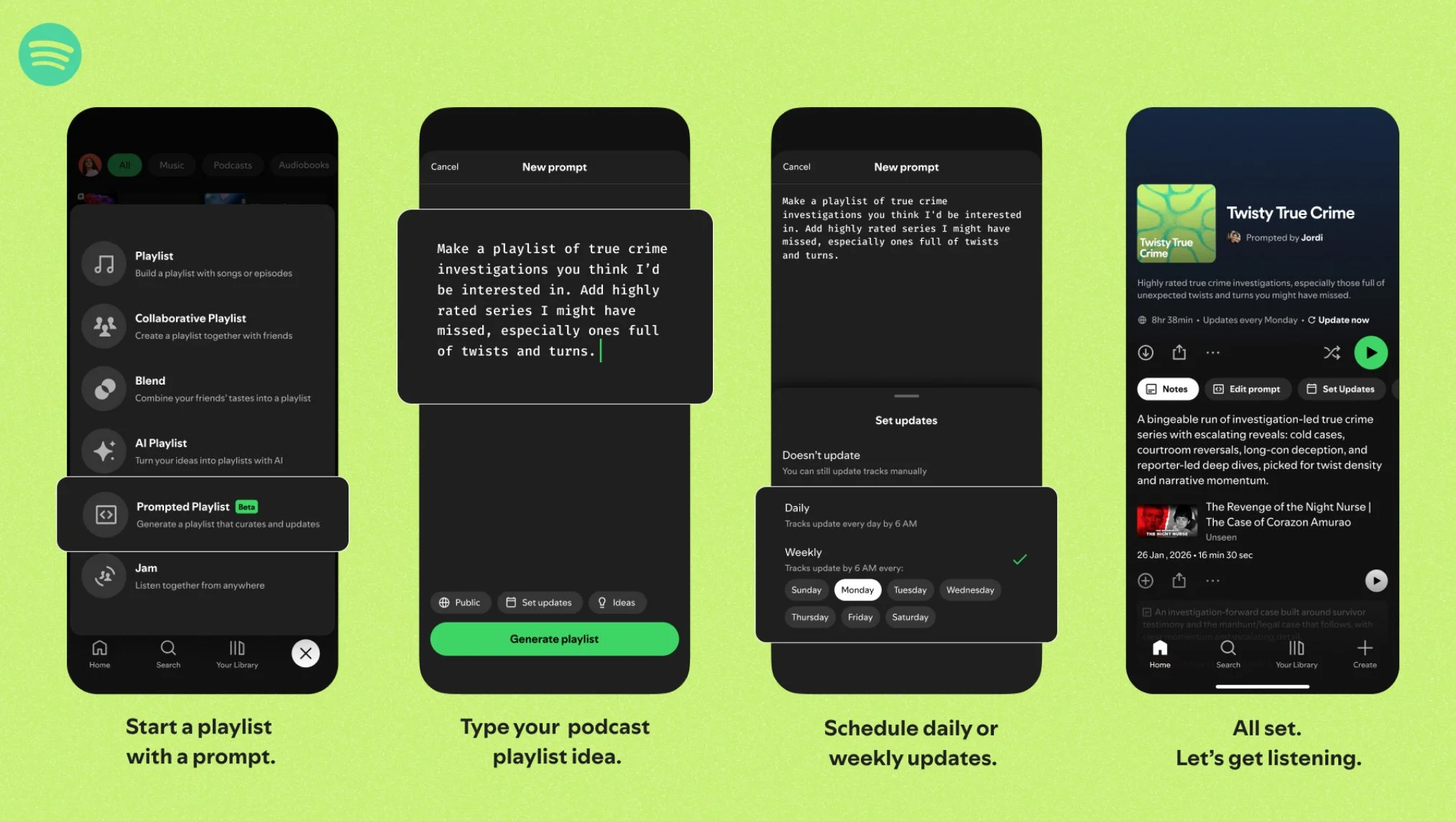
Spotify Prompted Playlists: Spotify launched prompt-based playlist creation and is now publishing its own prompts to try. Favourite so far: “My Unheard Saved Tracks,” which surfaces Liked Songs you have only played once (AKA songs I accidentally clicked ‘like’ on).
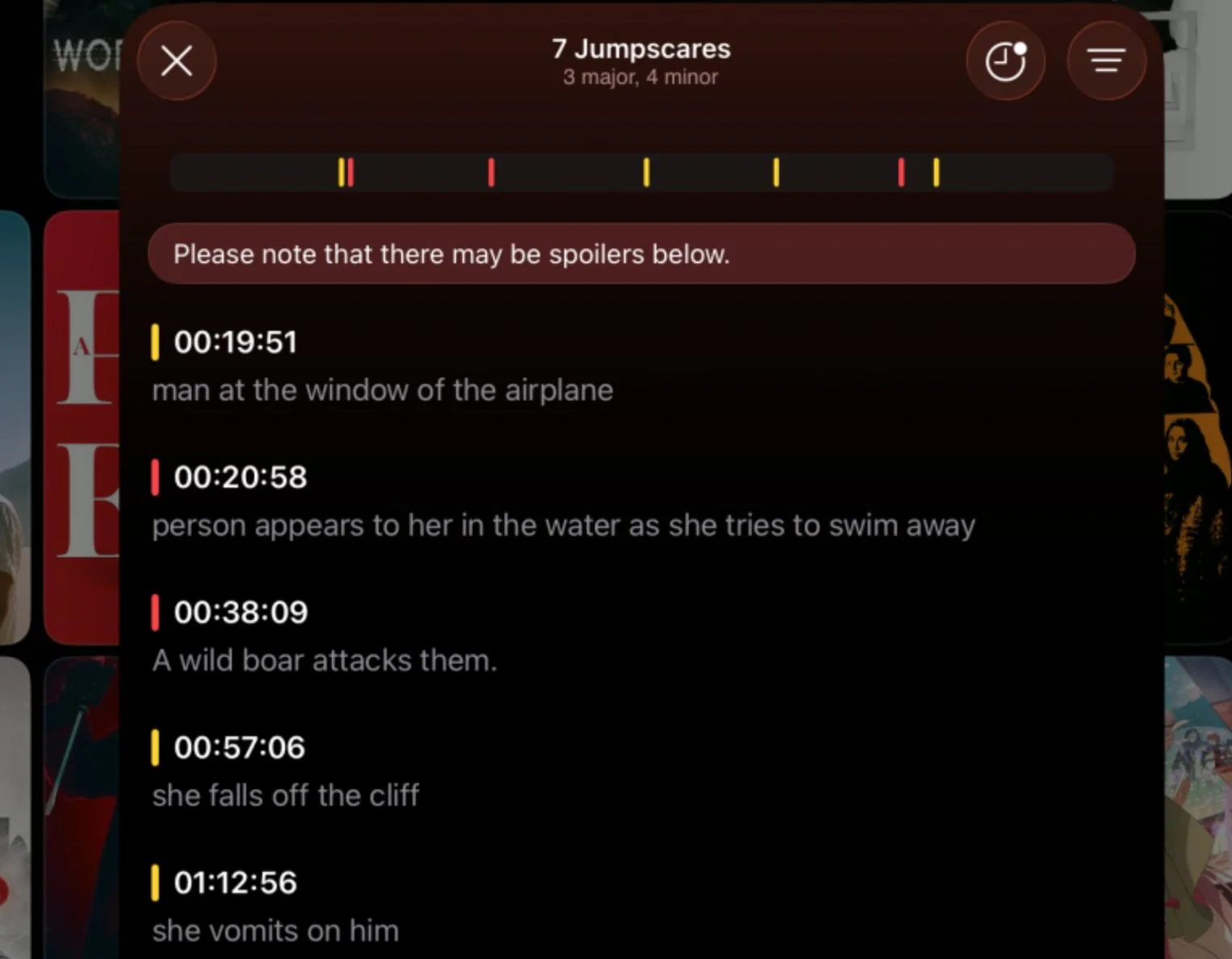
Binge Movie Tracking App: New Letterboxd competitor Binge integrates with Apple devices to warn you when a jump scare is coming. Clearly inspired by the Peebreak app I designed last week.