Hello, me again. Thanks to everyone who reached out about the last video. I’ll be sharing more short videos like it, each covering a practical way to use AI in marketing work.
My goal with these is to help the teams I train (and you, if you’re reading this) feel more curious and confident experimenting with AI. To go on the offensive with it, rather than feeling like it’s coming for your job. That defensive reflex makes sense, especially when AI touches work you’ve built your career around. But let’s flip it around. You’re the expert in your work, which makes you the right person to shape where AI shows up in it. These videos are intended to encourage you to experiment and find the places where AI can amplify what you already bring to your role and your career.
This week’s video is on customer personas, which is work I’ve done throughout my career and some of my favourite to do. Lately I’ve been experimenting with how AI can help me do it even better, and here’s some of what I’ve learned.
Download Customer Persona Prompt (.MD file)
AI & Advertising
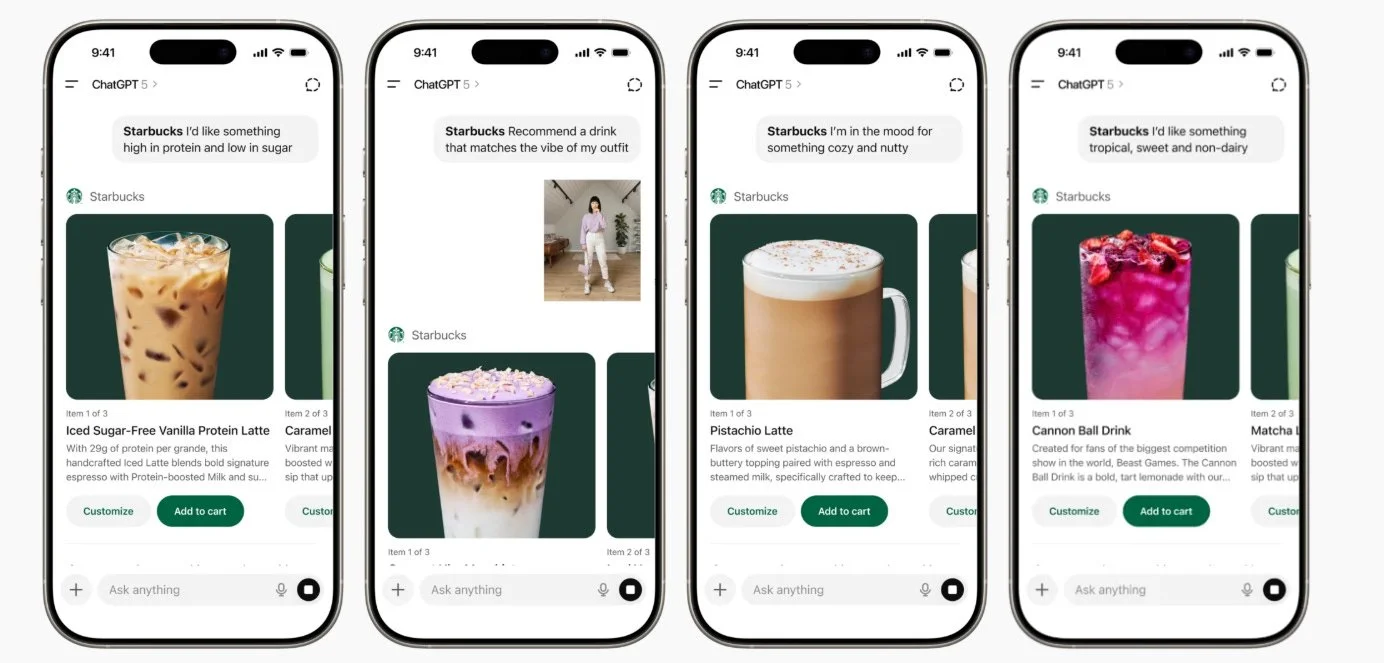
ChatGPT has become a research companion for many consumers alongside traditional search, and ads on the platform are getting closer. OpenAI is projecting $100 billion in ad revenue and recently launched its ad manager. ChatGPT also announced a more integrated opportunity: a beta app with Starbucks that lets users get a drink recommendation from a prompt or photo, then finish checkout in the Starbucks app.
Amazon’s Rufus chatbot (its “virtual product expert”) is also now letting advertisers pay for sponsored product recommendations. That one feels natural for Amazon, we’re already used to sponsored results there. ChatGPT is the more interesting case, though I suspect free-tier users will adjust quickly, similar to how we got used to Google’s sponsored results. It may even nudge more people toward a paid, presumably ad-free tier (like Netflix). I don’t think the consumer backlash will be as bad as some are predicting.
Fresh AI Research
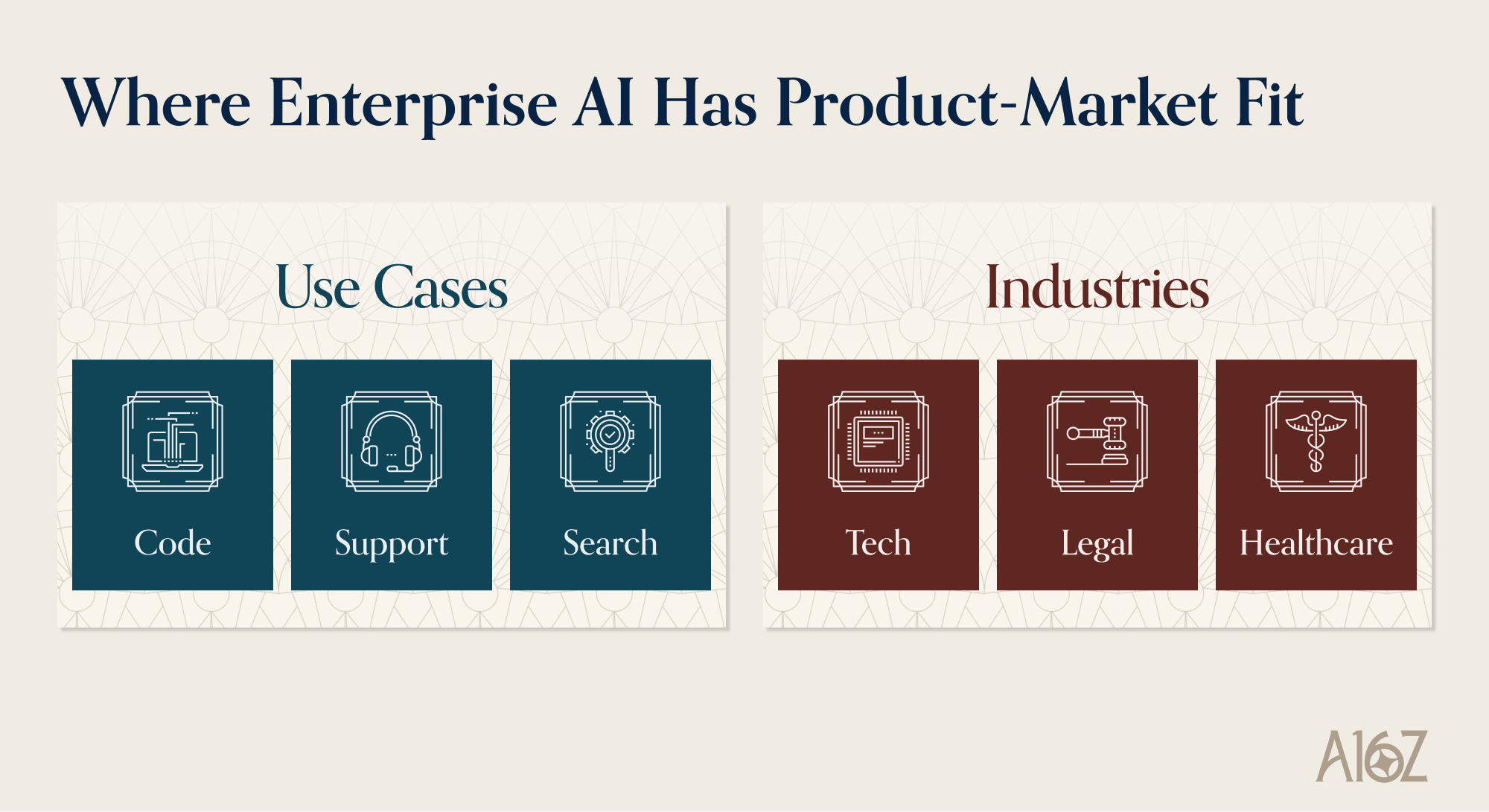
Where Enterprises are Actually Adopting AI (a16z): AI is delivering the most value in work that’s text-based, repetitive, verifiable, and lightly regulated. That’s why coding, support, and search dominate enterprise use cases today, with coding an order of magnitude bigger than anything else.
Global AI Study (PWC): 75% of AI’s economic gains are being captured by just 20% of companies, and the leaders are pulling ahead by using AI for growth, not just productivity. They’re twice as likely to redesign workflows around AI than to simply bolt tools onto existing ones.
Anthropic Economic Index (Anthropic): Experience with AI compounds. Users who have been on Claude for 6+ months have a 10% higher success rate in their conversations, evidence of “learning-by-doing” and a sign that AI fluency is a skill that builds with use.
Cool Beans
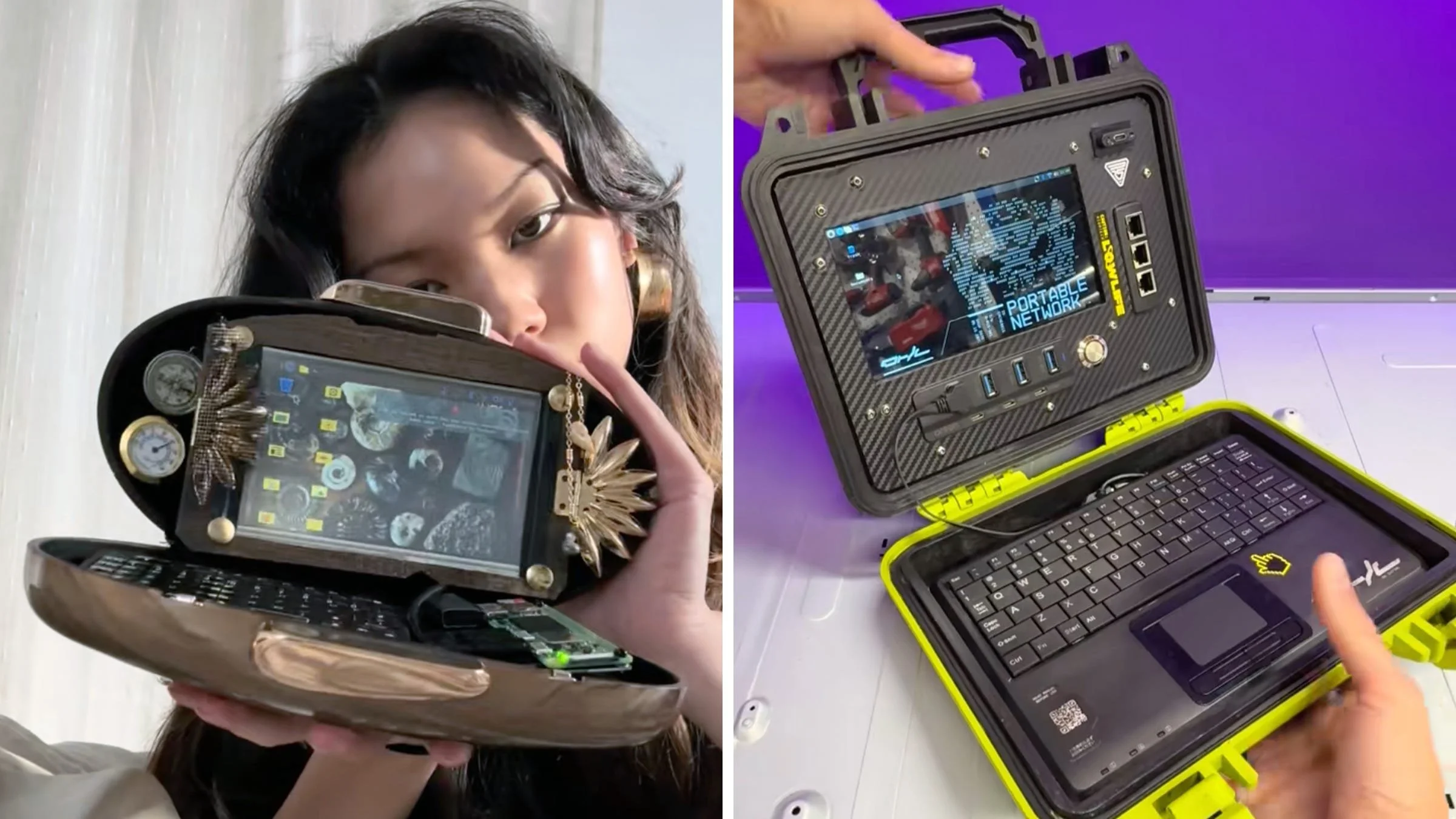
Cassette Futurism: An aesthetic built around the tactile, physical tech of the 80s. It’s tied to a trend called “friction-maxxing“ (so many maxxings these days, btw), which is catching on with young consumers, not just nostalgic old dudes like me. Related: the rise of cyberdecks, handmade computers assembled from mismatched parts.
Aadam Jacobs Collection: A Chicago music fan has recorded more than 10,000 concerts over the decades using a cassette recorder stuffed in his pocket, including early sets from Nirvana and R.E.M. He has posted all of them. If you’re looking to kill some productivity today, go browse and listen here.
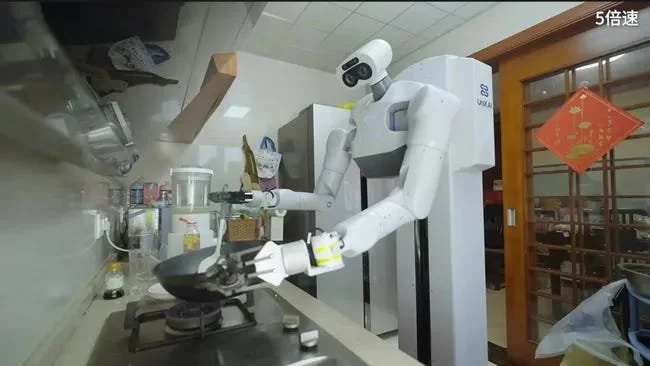
Robots & Chores: The ultimate sci-fi promise everyone’s still chasing - a robot that does your chores. Companies are working on this, and like every other AI tool, it needs mountains of training data, so people are being paid to record themselves doing laundry and dishes so the robots can learn. This frightening humanoid is apparently shipping soon, straight into my nightmares. I’ll take this robot dog that does chores instead, thanks.