Digital Trends: 03.15.22

Wordle & The Nice Internet

Another day, another new Wordle-clone. This time it’s Heardle– a music trivia-based game that is actually pretty fun (sound on!) My personal favourite Wordle-clone is –Poeltl (pronounced ‘PER-tull), after former Raptor centre Jakob Peoltlthat focuses on basketball players. Netflix is even getting in on the trivia action, with a new daily trivia series called Trivia Quest starting next month. What’s behind this craze? The New Yorker has a great feature on the founder ofWorldle “Does Wordle Prove That We Can Have Nice Things On the Internet?” who shares his philosophy on designing online experiences that do not devolve into “spam and swastikas”. More please.

Amazon & Retail Innovation

Jeff Bezos famously called Amazon “the best place in the world to fail”, recognizing that “failure and invention are inseparable twins”. To that end, the company is closing all of its physical bookstores and other shops to focus on grocery. And the company is launching a new app to designed to help creators DJ their own live radio shows. I don’t see the fit – but I suppose that’s the point.

Amazon can continue to fund these experiments in large part due to its growing advertising business ($31 billion in 2021, and 34% growth). Here’s an excellent report on how brands are selling on Amazon. I haven’t seen a study like this before, as it breaks down average Amazon seller revenues and ad spend. It's worth a skim. SNL had a hilarious take on the Amazon Go concept, highlighting how the grab and go model might not sound appealing to everyone.

Smart Reads

  • Martech Use Cases: Scott Brinker reminds marketers that it’s not the size of your stack, it’s how you use it. And by use it, I of course mean the number of martech use cases that you have globally adopted.

  • Storytelling Canvas: Stronger Stories has blended Joseph Campbell’s Hero’s Journey with the Business Model Canvas and come up with a very cool Storytelling Canvas. Check out the canvas here, and a completed version based on Don’t Look Up here. Framework catnip for me.

  • Strategy Aggregation: Roger Martin explains (and visualizes) the relationship between corporate vs. business unit strategy. He uses the metaphor of ‘reinforcing rods’ to explain how mechanisms can be put in place to benefit both levels.

Good Threads

  • B2B Campaigns: If you’re in B2B and looking for some creative inspiration this thread has a bunch of fantastic examples including this classic – The Power of Wind.

  • Generation-Defining Stats: Jeff Bezos started Amazon because the Internet was growing 2300% per year. Steph Smith has a fascinating thread on the potential stats defining our generation.

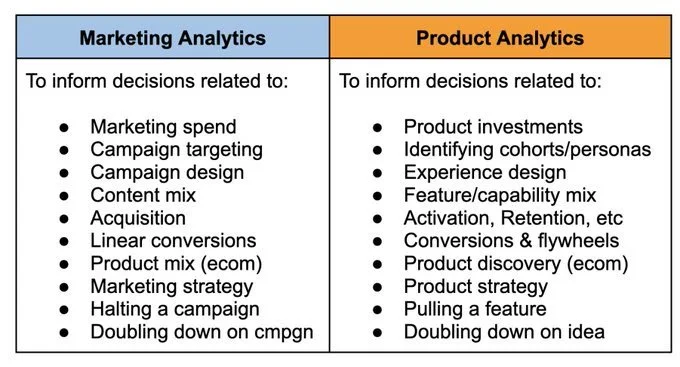
  • Product vs. Marketing Analytics: A useful table (and smart replies) in this thread from John Cutler on how measuring marketing campaigns differ from measuring products like a new mobile app.
Finally, I can’t mention Twitter without mentioning my favourite new follow @jaythechouwho photoshops Paddington the Bear into movies and TV shows - one image per day. We can have nice things on the Internet after all.
Digital Trends: 03.01.22

TECH, DESIGN & NOSTALGIA

What separates Apple from other tech companies is design, and the seamless integration between their hardware and software. Which makes them the company that I'd bet on for AR. They've reportedly tested their new AR hardware. Even if other companies are releasing impressive new headsets, I heard them referred to as ‘nerd helmets’ and I can’t shake that. How can new tech be perceived as cool? Taur is a company trying to solve the problem that Segway never could – how to you make e-scooter ownership cool. I’m scoot-curious tbh.

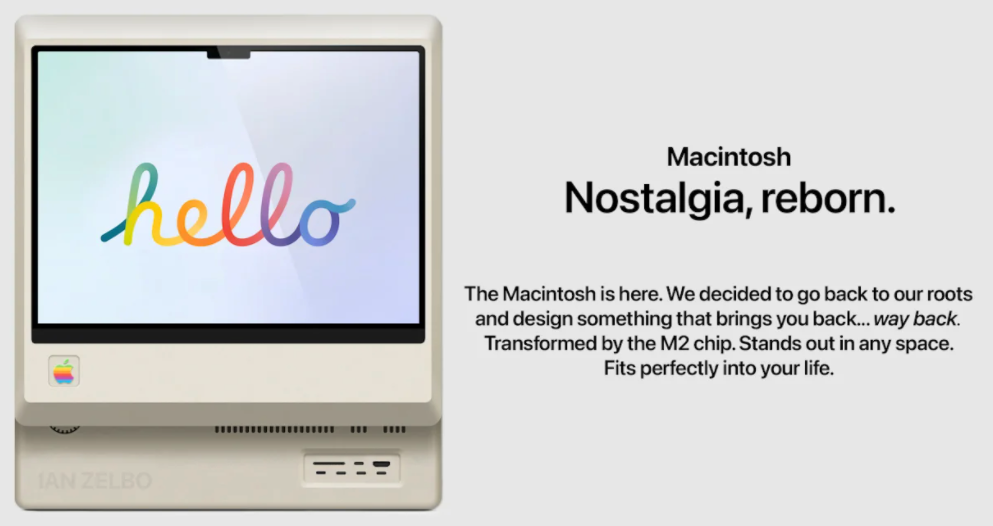
Maybe nostalgia is the answer, particularly for Gen X-ers. Here’s a cool reinterpretation of the original Macintosh. If you want to join me down a Nirvana-fuelled 90’s cultural rabbit hole, check out this essay by Douglas Copeland on why the 90s 'rocked' or pick-up Chuck Klosterman’s new book on the 90s(it’s excellent).

DATA TRANSPARENCY & TARGETING

Big Data feels theoretical, until it gets personal. The Guardian has a good write-upon how much Amazon knows about its customers beyond shopping (e.g., your reading speed and interests on Kindle). Tech companies are responding to privacy concerns by sharing more about what they know about us – as an example, Uber now shares how you have been rated as a passenger. (Full disclosure: 243 5-star ratings vs. 3 1-star ratings…I know exactly what happened on those 3 rides btw). Snapchat is also using location data (like Apple’s Find My) to try to help users set-up buddy systems for when users are en route. Finally, if you’re interested in knowing what Google knows (or algorithmically infers) about you –check it out here.

SOCIAL & ADVERTISING TRENDS

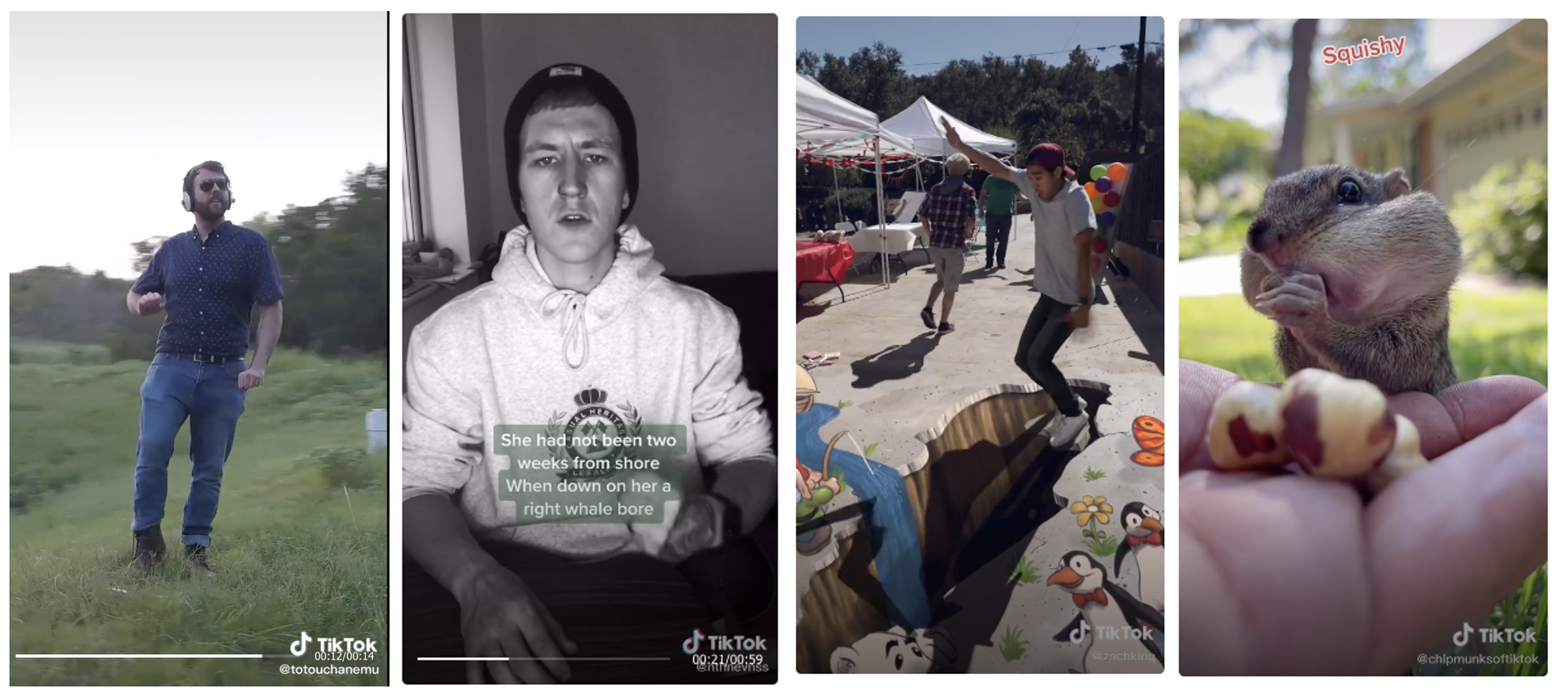
At a time when all social platforms are moving towards short video content, TikTok is actually moving the other way.This article explains their conundrum, including how TikTok recently tested 10-minute videos to try and capture some of the YouTube market. Meanwhile, Facebook is pushing its TikTok copycat Reels into every part of its app. If you’re interested in seeing how brands are using this newish format, check out the Good TikTok Creative Substack from Simon Andrews – 75+ mini-case studies.
And speaking of advertising trends, this is my new favourite - brands can now incorporate product placements backwards into classic old films. Retro-retro!

RESEARCH REPORTS & TRENDS

  • 2022 Commerce Trends: Excellent deck from 2PM on 8 commerce trends (usually reserved for subscribers). Interesting points around digital native brands moving offline, and ‘traditional’ brands moving online for D2C – Nike will be 70% direct by 2027.

  • What Digital Advertising Gets Wrong: A smart piece on how marketers must avoid confusing correlation with causation, and stop spending on advertising that focuses on people who are likely going to buy anyway.

  • Framing the Future of Web 3.0: Surprisingly readable report from Goldman Sachs. A refreshing framing of Web 3.0 from a financial perspective - not coming from tech-bros with buzzword-speak.


UKRAINE & TECH RESPONSE

Pivot had an excellent episode on how the tech industry is responding to the horrific events in Ukraine. There’s a lot of pressure on social media platforms to, well, de-platform Russian state media. Lots of misinformation happening to no one’s surprise on Facebook. Google is disabling certain live traffic Map features for fears that they can be used to track troop movement. Despite these crackdowns, people always find a way – Ukrainians are using Google restaurant reviews to communicate directly with Russians.

LONG, SMART READS

  • Shopify’s Evolution: Another fantastic piece by Ben Thompson that explores how integration with the modern value chain is where Shopify is going (and needs to get to quickly).

  • 50 Things: Fantastic list put together by BBH CSO Tom Callard on things he has learned over his agency career. Follows a similar list that Chaz Wigley put together that includes 100 lessons he has learned over his career as a planner. Makes me miss agency life.

  • Execution > Strategy: Love this visual and this post by Noah Brier. It illustrates the differences and relationships between tactics and strategy, and why strategy is only as good as its execution.

Digital Trends: 02.15.22

Super Bowl LVI

The Super Bowl combines my love of roman numerals and advertising (and this year, 90s hip-hop). Here is a run-down of all of the notable ads from the game, and USA Todayhas posted its audience ranking (congrats Rocket Homes and Rocket Mortgage!) From a digital-perspective, Coinbase stole the headlines with its bouncing QR code ad that directed people to its app (which crashed from all of the traffic). Here is a good thread estimating the ROI from the campaign. If you’re more into the classics, the editors from The Drum have a list of their all-time faves listed here. The Rams won, FYI.

Apple AirTags & Tap

Bit of Apple news this week. The company received criticism regarding its AirTags product, which can apparently be used by burglars and stalkers to, well, burgle and stalk. AirTags were also used recently by a researcher to uncover a secret German Intelligence agency. I use them to find my keys. The company is now rolling out new privacy warnings to protect people. Another innovation from Apple that I’m sure will lead to some nefarious edge use cases – iPhone users will soon be able to buy from each other by tapping their iPhones together.

Ottawa Protests

Lots to unpack in this ugly mess. From a digital perspective, a few interesting things caught my eye. This piece explores how counter-protestors are using social media to blur the line between activism and vigilantism in doxing protesters –“what is the difference between public shaming and vigilantism?” Websites like this are set-up to report encounters on a map, and accounts like this are posting photos and videos to identify people. One video has led to a police officer being investigated. Ethical debates have also spilled into the decision for GoFundMe to refund donations to the protest. Messy stuff indeed.

Digital Advertising Evolution

Ben Thompson is a brilliant thinker and writer on media and technology.His latest piece is a useful deconstruction of digital advertising in 2022 (worth the long read). He explores why lower funnel advertising for commerce is so profitable, which makes Google and Amazon so dominant in media and market capitalization. This is playing out in recent news, as Facebook is not growing(and its stock is suffering) and Amazon’s advertising revenues have increased from $10bn to 31bn in under 3 years.

Fresh Digital Trends

A few solid digital trends pieces were just published, and worth a skim:

  • Meta Trending Trends 2022: Matt Klein has done what I’ve talked myself out of doing every January – synthesize the overlaps among different cultural trend decks. He highlights 14. Well done, Matt.

  • 10 Ecommerce Trends: Shopify has a decent round-up of the trends that they predict will shape online shopping in 2022, building on their Future of Commerce research initiative.

  • New Normals for 2022: Digital marketing guru Ashley Friedlein shares similar views, more directed towards the importance of first-party data and D2C in this Econsultancy post.

  • Visions of the Internet in 2035: I’m still working my way through this one, but love it so far - big thinkers providing their big picture predictions about the future of the Internet (and hence, the world).

Good, Long Reads

  • Lessons from a D2C Failure: A super interesting post-mortem on the fall of D2C darling Casper, and why / how it lost to Purple. Lots of great lessons to take from this – from finance, to marketing, to culture.

  • Andy Warhol, Clay Christensen, and Vitalik Buterin walk into a bar: Another long-but-worth-it read from Tim O’Reilly (who first coined the term Web 2.0). He connects disparate threads to explore what’s ahead for Web 3.0 (aka the Metaverse).

  • We Don’t Sell Saddles Here: Part internal memo / part manifesto from Steward Butterfield from Slack. In it, he encourages staff to reframe Slack from a software product to a provider of organizational transformation. Using marketing strategy to move from product features to emotional / purposeful benefits. I see you Steward Butterfield!

Digital Trends: 02.02.22

NFTs & Idiot Magnets
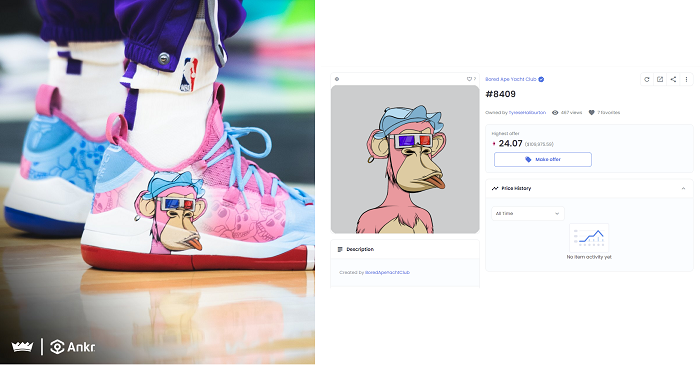
The market value of NFTs is over $41bn and everyone is taking notice. Facebook is reportedly working on capabilities to help users create and sell NFTs, and Twitter is allowing users to feature their NFTs as avatars. So where does this leave marketers? The Drum highlights 4 ways brands can think about NFTs (storing memories, digital identity, play-to-earn, and physical ‘unlockables’). Mark Ritson profanely makes his way through the subject in his latest essay framing NFTs as magnets for idiots “vulnerable to bullshit.” If you want to learn more about NFTs and Web3 more broadly, Folding Ideas has an excellent video that you can make your way through over the course of a few coffee breaks.


Digital & Physical Retail
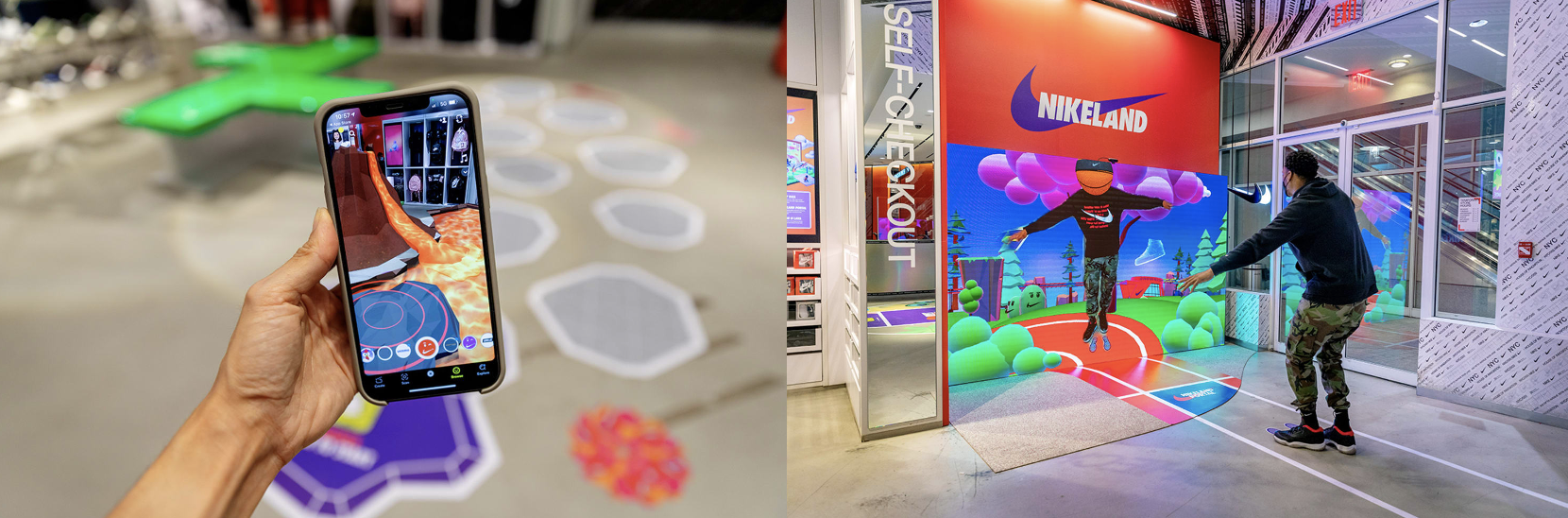
While the metaverse gets a lot of attention, I’m personally more drawn to how technology can augment existing businesses and behaviours. There are plenty of cool examples in retail. Wunderman has useful write-ups on how familiar e-commerce elements can complement IRL shopping (see the Lego Personalization Studio) and how digital content can add an immersive, experiential layer to stores (see Nikeland/Roblox). Amazon has also introduced a new physical fashion store concept called Amazon Style that weaves together familiar online shopping features into an offline retail environment – lots to unpack in this 1-minute concept video.

Innovation & Vaporware
Speaking of concept videos, I love them. I’ve spent countless hours creating storyboards for how technology can come to life and benefit users in new yet natural ways. It's easier said than done. One time I created a script that was perhaps a tad unnatural, to which a Creative Director accused me of writing “scenario porn”. I digress. Here is a framework I created to help in this area.
Some new concepts were introduced during CES that this writer really hopes come true (Carcopter anyone?) The NYT also has a good article on why Silicon Valley is still waiting for the next big thing after the iPhone (because hardware is, well, hard), and Google gives a glimpse on its latest AR headset work. Insightful quote on the impatience that we have with tech innovation: “When we hear about a new technology, it takes less than 10 minutes for our brains to imagine what it can do. We instantly compress all of the compounding infrastructure and innovation needed to get to that point….that is the cognitive dissonance we are dealing with.”


Spotify, Rogan & Social
I’m facing an existential crisis as a fan of both Neil Young and Spotify. Plenty has been written about the controversy involving artists leaving Spotify to protest COVID misinformation from Spotify-exclusive podcaster Joe Rogan. I thought Kara Swisher had a great take on the controversy during a recent Pivot podcast, making clear distinctions between:

  • Platforms (where others post on) vs. Media Companies (+ exclusive content you post)

  • Censorship (suppressing material) vs. Editing (fact-checking material)

That said, I love the UX of Spotify. Their Design Team regularly publishes stories about what they are working on, including their most recent social listening feature Blend – creating a playlist that combines peoples individual tastes. AKA “that song must be one of yours.”

New Research & Decks

  • Global Digital Report: We Are Social publishes this mother-of-all digital trends reports annually. If you’re looking for recent data on digital usage, you’ll likely find it in this 300-slide report.

  • Contagious Report: Here is the latest from Contagious that captures the trends from the 2022 advertising zeitgeist. Lots of great examples featured.

  • Social Commerce: Shopify has a new report on social commerce trends (lots of growth to come), with some very useful examples and descriptions.

  • Shopper DNA: Dentsu has published a trend report on the future of retail. It hits on some of the themes mentioned above regarding digital augmenting physical shopping environments and rituals.


Good Reads

Finally, I think I’m the only person on Twitter (and certainly in my family) not playing Wordle. Love that they sold quickly to the NYT before thousands of copycats stole their thunder. Now how much f&#king money will Sweardle sell for?

Digital Trends: 01.21.22

AR/VR & WTF New Tech

I’m bullish about AR/VR technology for certain use cases – mostly around place-based interpretation and gaming. But it’s hard not to be skeptical (or snarky) when you read of some of the new use cases that are being explored. Disney is now bringing their version of VR (called VW = Virtual World) to the one place that needs no extra stimulation – Disney World. In hardware, the creator of the OG AR device – Google Glass – is creating a smart device for the one place that needs no extra equipment – your mouth (See Smart Retainer).
Odd new tech was also unveiled during CES, including clothing that physically responds to digital interactions (“hits and hugs”). BMW also introduced a new mobile app that changes the colour of your vehicle. These are the problems we’re trying to solve in 2022? If you feel like drinking more AR Kool-Aid, see PWC’s latest report here.

WEB 3: The Good, Bad & Ugly

What happens when the media culture of ‘hot takes’ meets a buzzworthy topic that no one can clearly define? A bunch of arguing about Web3 is what happens. See articles with titles including ‘The Metaverse is a Giant Overhyped Nothing Burger with No Future’ and ‘Web3 is Bullshit’. Scott Galloway has a clear and convincing takedown of the Web3 buzz here, and Packy McCormick has responded with a comprehensive rebuttal. Confusing stuff, which I suppose is why a marketing community popped up on Discord to learn more about the topic.
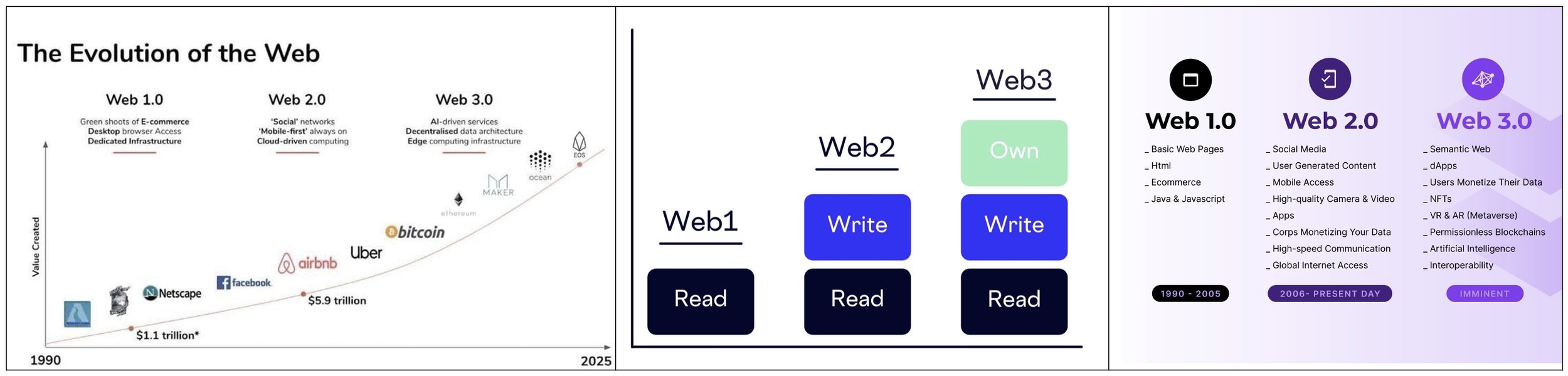
Until there is a shared definition of Web3, I find it more useful to focus on the component parts bundled under this mushy umbrella term. I also find it useful to think more about ‘what is changing’ and less about ‘what it is’; below are a few visuals that attempt to do this (I unfortunately don’t know the sources).

Benedict Evans is brilliant at explaining emerging technology concepts and the resulting implications. He touches on the Web3 topic in his excellent year end presentation Three Steps to the Future, as well as his most recent essay Tech Questions for 2022.

Audio Content, Context & Community

As tech giants duke it out to build VR googles and metaverse environments, I’m still keen on the future of plain old audio. The size of the Apple AirPods business is quietly larger than Uber, Spotify, and Twitter (by revenue). Podcast listening continues to grow, and the audience base is starting to diversify. Social audio continues to gain traction as Clubhouse fights off competitors, and Twitter Spaces is gaining momentum. For marketers, Spotify is now evolving its platform to be more interactive (vs. just passive listening) to attract more advertising dollars – here is an interesting overview of what they now offer.

What’s also interesting is as audio is taking off, smart speaker growth is stagnant. Amazon’s Alexa business is forecasted to only grow at 1-2% per year, and up to 25% of first time buyers stop using the device after the first week. Perhaps the future of audio is both social and personal – but for your ears only.

Fresh Trend Decks

The Future 100 (Wunderman Thompson): This is a fun one to skim and worth the download, like a PDF coffee table book (in the best way possible).
12 Graphic Design Trends for 2022 (99 Designs): Another fun one to skim, especially for a non-designer like me. Helps to put language to design trends and impress Creative Directors.
Journalism, Media, Tech Trends (Reuters): An excellent annual study focused on trends happening from the media side of things. It covers new models, and how subscriptions are now a higher priority than digital advertising for publishers.

Fresh Research Decks

Shopify Future of Commerce: “Social commerce sales are set to triple by 2025 and 40% of consumers say they plan to pay with cryptocurrency next year.”
State of Mobile (App Annie): The best report on mobile app trends around: “7 out of 10 minutes on mobile was spent in social and photo/video apps in 2021.”

And finally, some Canadian content eh!
The HumanKind Study (Leo Burnett): Interesting new research on the attitudes of Canadians across ‘human’ areas (health, finances, government), and the implications / opportunities for brands.
Reader’s Digital Trusted Brand Winners: Wondering if your brand is trusted by Canadian Reader’s Digest readers? The wait is over. Check out the list and see where you fall (congrats to the big winner, Tylenol).

Digital Trends: 01.01.22

I refer to the first post of the year as Trendapalooza – a round-up of all of the decks, docs, and sites published over the last month that predict the year ahead for marketers. It’s interesting to see the themes that bubble up across different sources – this year it’s the metaverse, data / privacy in advertising, brand purpose / ethics, hybrid consumer / employee experiences, and “the new normal” – whatever that turns out to be. Lots of interesting stuff this year. Below are the 10 sources that I found most useful:

1. Deloitte Global Marketing Trends: This deck covers 8 different marketing strategy trends, geared for CMOs. Highlight: Brand Purpose needs to grow beyond a tool to be used to differentiate your brand and attract customers to be a tool to guide team actions. “High-growth brands are 66% more likely to see purpose as a means to guiding employee decision making.” Walk the talk.

2. Mintel Global Consumer Trends: An inspiring deck (worth the download) that covers 4 societal trends with commercial implications. Highlight: Related to the topic of Brand Purpose, Mintel research indicates that “consumers have moved beyond simply wanting brands to ‘be ethical’ and are demanding to see measurable, transparent and consistent actions”. This desire for greater transparency and answers connects with the trend highlighted below – ‘information layers’.

3. Fjord Trends 2020: Covers 5 macro societal themes, connecting to implications and opportunities for businesses. Highlight: In the ‘This Much is True’ trend, Fjord introduces (at least to me) the concept of ‘information layers’ – and how brands need to determine how much and what type of information they will provide to serve customers, “providing the right answer at the right time in the right way”. This is a useful mental model for considering AR opportunities – what informational layer will you place on a physical object or environment?

4. Foresight Factory: Covers a mix of cultural trends, with illustrative examples and fun creative extrapolations. Highlight: The trend of Mood-Making; being more conscious of your mood and active in trying to change it through monitoring, media, and – ahem - drugs. Brands can “help consumers rebuild the emotional deficit caused by the pandemic.” Also connects to the trend of helping customers better visualize, track, and manage personal health and financial data.

5. GWI Consumer Trends: Covers themes that intersect customer behaviour with technology and media. Highlight: In the Attention Economy section, GWI covers how media habits have changed over the past year. Interesting to see how gaming is booming and audio content consumption is changing due in part to the pandemic. Not just usage, but context. “Podcasts have always been linked closely with traveling to work, but that overlooks how much they’re ingrained in domestic environments.” Anyone else find themselves wandering around their house wearing AirPods?

6. Sparks & Honey Business Bets: Interesting deck that tracks different trends in part based on a ‘Cultural Energy Score’. Highlight: Related to the growth of audio content, this report calls for businesses to bet on audio as a gateway to the Metaverse. Lots of evidence of audio being an important opportunity for augmented reality (no goofy AR eyewear). The deck also includes my new favourite digital buzzword: “earable computing” – referring to how we can design experiences in sonic places.

7. Pinterest Predicts: A fun, visual report that covers global consumer trends based on search behaviour on the platform. Highlight: Lots to choose from here, but as the proud owner of a Covid-Puppy I have to shout-out the ‘Barkitecture’ trends – people searching for ways to build luxury dog rooms and to “catify” their homes. My dog received more presents under the tree than I did this year, so I suspect this trend is sure bet.

8. Hootsuite Social Trends: Covers 5 themes that are relevant to marketers involved in social media, along with practical advice. Highlight: Social Commerce will continue to grow, particularly for small businesses. Interesting to see how social plays a more transactional role for certain brands: “social used to be just a satellite of the business…it is the core platform to engage with, sell to, and service customers”. Some interesting implications for how social storefronts and transactional websites work best together.

9. We are Social | Think Forward: Similar to the Hootsuite material, this site also shares 5 smart trends related to social media strategy. Highlight: Trend #1 - In-Feed Syllabuses – social media is gaining new in-roads as an educational tool as 74% of Gen Z’ers have used social to learn practical life skills. Some fun examples of how education is becoming ‘edutainment’, with new formats, personalities, and methods of distribution. As a corporate trainer, I’m super excited about this space.

10. Deloitte TMT (Technology, Media, and Telecommunications) Predictions: This hefty document covers a lot of ground (and suffers from consulting-speak). Highlight: that said, there is a good section on NFTs and Sports where they highlight smart strategic considerations of the fit of NFTs in the sports business. How does an NFT initiative align with sports betting, physical collectables, tickets, and digital rights? The point stretches beyond the sports industry – sure NFTs are hot, but what role do they play in your larger business / marketing plans?

BONUS: Activate Tech & Media Outlook: Finally, a doozy of a data-filled presentation – if you’re looking for new US media figures, start here. Highlight: To start the document, Activate breaks down the average adult day per media type. Super interesting to see this visual breakdown, and how media multi-tasking leads us to a 32-hour + day as measured by media consumption. Now you know why your days may feel so long.

Digital Trends: 12.15.21

YEAR IN REVIEW

Before I do my deep-dive into 2022 trend decks, I thought I’d share a spoiler-filled compilation of Year-In-Review lists from different corners of the Internet. Together, they paint a fascinating picture of 2021. Let’s just say I’m looking forward to 2022.

Emoji:Did you know that there are 3,663 emoji, and that the top 100 emoji comprise 82% of all shares?Guess which one was tops for 2021?Let’s all just choose to interpret it as ‘tears of joy’ and move on.

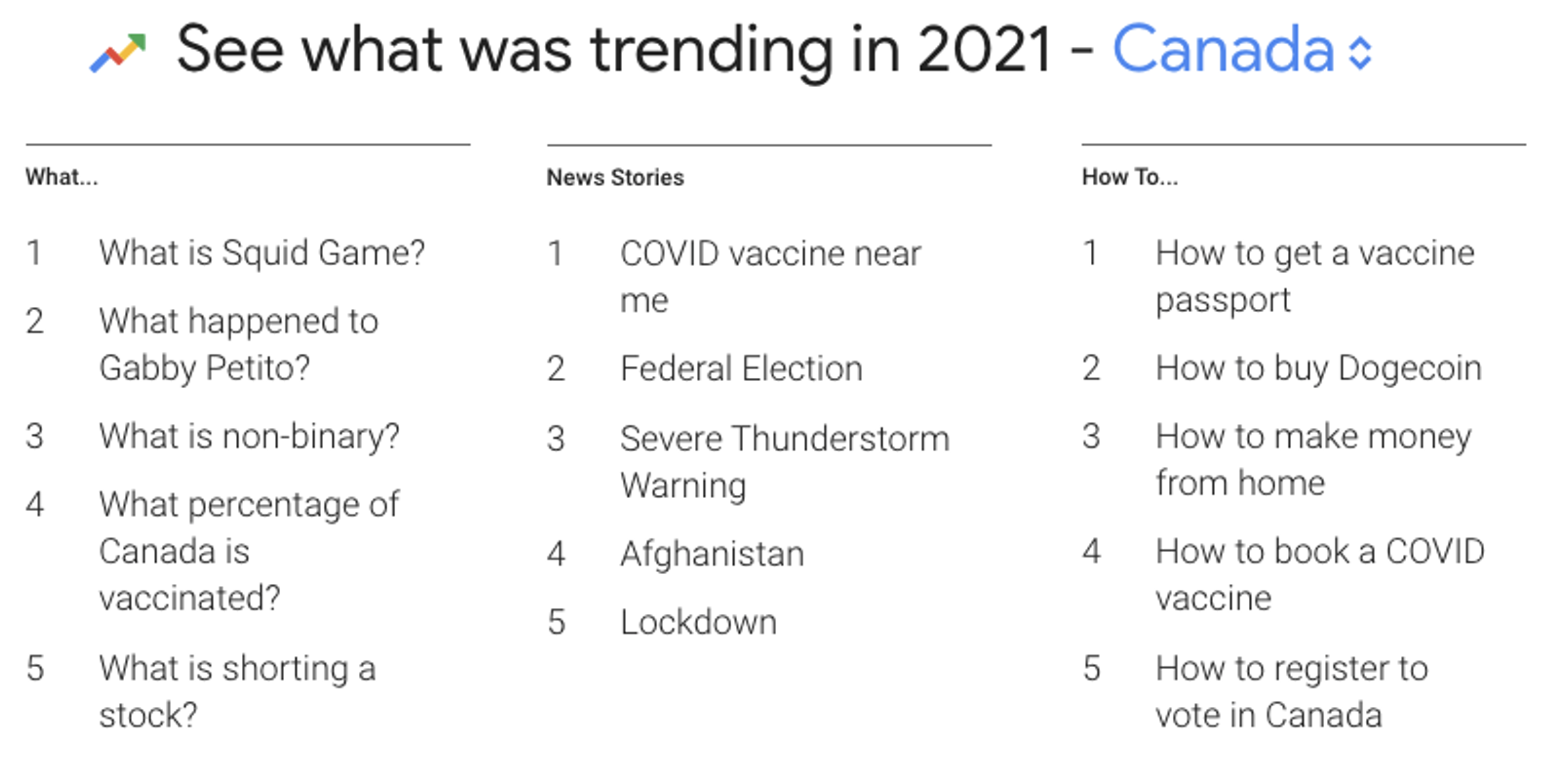
Search:Google has listed the top searches in Canada for 2021(even breaking down what’s tops in Quebec). Lots of searches for vaccine appointments, vaccine passports, and – of course – Squid Game. See a dramatized YouTube video recap of global trends here.

YouTube:Speaking of YouTube, here is a list of the top videos and creators for 2021. The top 10 list includes the classics “I spent 50 hours Buried Alive” and “I spent 100 Days in a Zombie Apocalypse in Minecraft.” Isn’t it bad enough that we all just spent 2 years working from home?

Reddit:I find it fascinating how different topics are more popular on different platforms.Within Reddit, it was all about finance this year– from r/wallstreetbets to its most popular topic: Cryptocurrency. But Reddit wouldn’t be Reddit without some absurdity - 2021’s top AMA?“I’m a lobster diver who recently survived being inside of a whale. AMA!”Not sure how many hours he spent inside, but I’m sure it was covered.

iOS Apps:Not a lot of surprises on the most downloaded iOS apps for 2021– lots of games, productivity apps, and streaming services. I suppose the most emblematic for 2021 was that TikTok led the way for iPhone downloads, and Zoom was #2 for iPad.

TikTok:Speaking of TikTok, the company released a year in review of its most popular content. Super random, creative, and funny (as evidenced by the top TokTok for 20201 -Drone Dancing). If you’re still not familiar with TikTok, it’s worth going down this rabbit hole to appreciate the unique nature of what works on the platform.

Twitter:The top Tweet for the year was from newly inaugurated Joe Biden’s “It’s a New Day in America”, followed by other politicians celebrating post-Trump Twitter. Twitter also released a‘Best of 2021’ list featuring the most successful brands and campaigns on the platform.

Spotify:Which brings us to Spotify’s Wrapped year in review. If you’re not a Spotify user, read Vox’s feature on how “Spotify spies on us, and we kinda love it”. I’ll spare you my ‘Cool Jazz’ themed list from 2021, but if you have a few minutes check out this amazing spoof from Pudding:“How Bad is Your Streaming Music”. Connect your Spotify account to have an A.I. roast you for your “awful taste in music”. Equal parts hurtful and hilarious.

Memes: Buzzfeed has compiled a list of the top 21 memes of 2021.The fact that Bernie Sanders sitting cross-legged on a folding chair with mittens barely makes the list at #21 makes me question the writer’s internal ranking algorithm.

Start-up Ideas:As we move into more subjective lists, I love Glyn Britton’s annual list of new business ideas. He covers new start-ups trying to gain traction in the market – it’s a really interesting way to see where innovation and investment is heading (see: fintech).

Lessons Learned:Another favourite list of mine isTom Whitwell’s annual “52 Things I Learned”. The items listed have no connection to each other, aside from being oddly fascinating. For example, did you know that every day, one million people upload pictures of their coffee grinds to the Turkish app Faladdin and get a personalized fortune reading back in 15 minutes?
Make that one million and one…

Digital Trends: 12.01.21

SPOTIFY TRENDS

Spotify is the app that I use most, and I’m constantly impressed by how they continue to innovate. The company recently announced a partnership with Netflixto showcase audio content related to popular shows, and the app is now testing vertical video. On the PR-side, Spotify also won last week by acquiescing to Adele’s request to remove ‘shuffle’ from album listening.This article provides some interesting background on the culture of Spotify in its quest to dominate audio.

BLACK FRIDAY

This is likely the first email that you received this week without a Black Friday promo. In case you were wondering, online spending surprisingly decreasedfor the first time this year. However, more spending went towards Shopify merchants(more small / medium-sized businesses). A growing tailwind in online retail is Buy Now, Pay Later (BNPL). The trend is forecasted to grow significantly, and platforms like Microsoftare now making it easier for advertisers to promote this flexible payment option. Scott Galloway has harsh words about BNPL, referring to it as “sleight of hand” that convinces young people to spend more.


HOLIDAY SHOPPING

Which brings us to Holiday shopping, and the new, sentimental Dolan family tradition of having my kids send me Google Docs with Amazon links to the products on their wish lists. It turns out I’m not the only parent using technology these days, as some folks are using shopping botst o scour the Internet for popular products. Warms the heart.
Some brands will be turning to live shopping over the holidays, and Twitter is getting into the action by allowing shoppable livestreams(weird fit IMO). Here is a smart read on how holiday shopping will be hybrid shopping, and you can get into the holiday (advertising) spirit with this round-up of the latest spots.


SNAP SHOPPING & MAPS

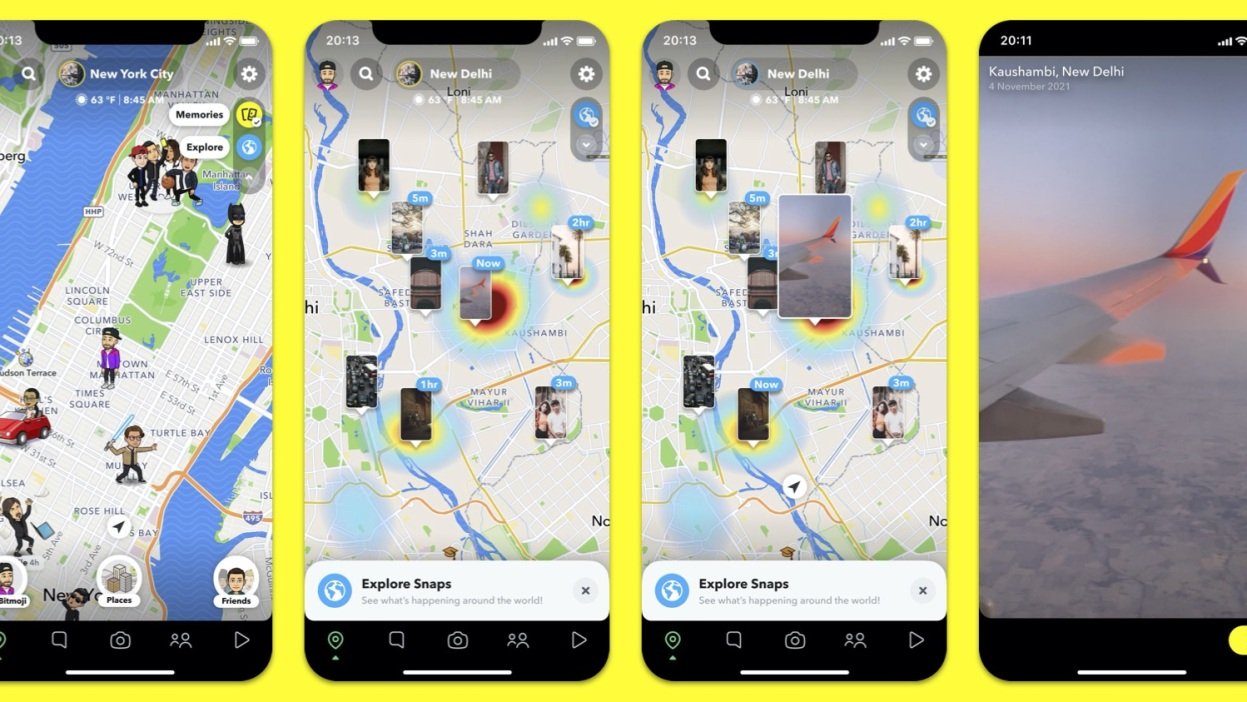
SNAP is gearing up for the holidays by working with brands like Amazon, Under Armour, and Coca-Cola to provide an AR Shopping Showcase.Users will be able to browse an AR Holiday market and interact with products. SNAP is also innovating around its maps with a feature called Layers, which will allow people to associate memories with specific places. While Layers is associated with the past, one of the risks of sharing location in real time via Snap Maps is apparently turning a low-key high school party into a rager.

ETHICAL ADVERTISING

No, that is not an oxymoron (holding snark in check…) A few interesting things bubbling up around taking a stand in advertising this month:

METAVERSE & BRANDS

So how will advertising look in the metaverse?A lot like virtual outdoor billboards and product placements according to this article. Digital collectables represent a more native way to think about opportunities for brands in this new immersive environment, as Nike recently announced a new virtual world called Nikelandon Roblox. Ana Andjelic contrasts the differences between collecting and buying in this smart piece.

FRESH RESEARCH

A few decks to skim:

INTERESTING BITS

Peter Jackson’s Beatles document was released on Disney+. Even if you skip the long movie,watch Paul stumble into the idea of Get Back at :45 in this clip. Incredible. I’m in a similar creative flow when writing this newsletter.

Digital Trends: 11.15.21

THE METAVERSE

It’s tough not to be cynical about Facebook’s (sorry, Meta’s) motives in trying to own the Metaverse, but at least they’re taking steps to define and commercialize this fuzzy concept. Meta has just purchased a VR fitness developer to create enhanced fitness experiences, and is apparently planning to open stores to sell its Meta products. Here isa useful Bloomberg article that explains the business interests around hardware that underpin Facebook’s move into the Metaverse, setting up an uphill battle against Apple - rumoured to be working on the most ambitious type of hardware:a car. (Aside: if I have to buy 3 adaptors for my MacBook, what I will have to buy for my Apple Car? Steering wheel sold separately!?)
The company has also rolled out its firstMeta ad campaign(produced by Droga5), only to be trolled beautifully by this parody by the Iceland tourism board.

AR, SNAP, & NIKE

While Zuckerberg’s vision of the metaverse is fully immersive (VR), the CEO of Niantic (makers of Pokémon Go) makes the case for why the future is mixed (AR). Hard to argue with his observation:“I don’t need to make a conference room look like a cartoon Tahiti. That doesn’t make it better for me.”
I love how SNAP continues to make AR more tangible with its strong push into retail, including new tools to try on and buy clothing. They recently collaborated with Nike on a very cool outdoor running experience, which makes sense given how Nike is apparently moving into selling digital goods. NikeFTs?

Speaking of NFTs, luxury brands in China are including exclusive digital collectibleswith physical purchases during Single’s Day (the world’s largest shopping day). Even Quentin Tarantino is getting in on the NFT trends by auctioning 7 never before seen clips from Pulp Fiction. No word if the digital collectible is Butch’s gold watch.

TIKTOK RESOURCES

Do you know who’s tired of shitty brand content on TikTok? TikTok! The platform recently released a bunch of resources to help brands help themselves:

  • Creative Exchange: A new platform that helps advertisers connect with creative vendors to help produce TikTok content.

  • The RoundUp: “An all-new content series” (by that they mean, a PDF) that highlights the best campaigns over the last few months.

  • TikTok Holiday Guide: Another more tactical guide to setting up holiday campaigns, including a few useful guides and templates.

TikTok was also in the news for its move into connecting users with their real-life friends (i.e., like FB’s People You May Know’ system) –positioning the network to become a social network. Stay tuned.

NEW STATS & RESEARCH

  • Digital Life Index: New global research (and slick web UX) from PublicisSapient reinforcing how customers expect more seamless digital experiences from brands and businesses.

  • State of Experience in Canada: A Medallia & Ipsos survey of Canadian executives and consumers that reinforces the importance of seamless experiences - only 23% of Canadians strongly agree that they receive consistent service across channels.

  • Adobe Holiday Shopping Report: Useful forecasts for ecommerce, showing growth in Buy Now Pay Later (BNPL) and curbside pickup. Also predicting shortages and few discounts for the hottest products (make sure to order your Peek-a-roo Panda soon or you’re SOL).

  • Technology & Media Outlook: Deep data on the state of media and technology in the U.S., with some useful data visualizations on where people are spending time.

LONG READS

  • Exploration vs. Efficiency: Smart post from Rory Sutherland on how the real opportunity represented by digital for marketers is experimentation, not efficiency “It’s cheap to do and you can fail fast and kill off failures really quickly, in a way you can’t through larger scale, analogue activities.”

  • Brand in the Influencer Era: I’m a sucker for a good scatter plot diagram, and this piece delivers. An interesting post from a machine-learning company that tries to connect the dots between social media conversation and brand perception.

  • The Relevance Paradox: Neil Perkin highlights the trap of only looking within your industry when solving your problems. He argues – using a cool NASA example – that innovative ideas come from taking a much wider lens.

Digital Trends: 11.01.21

FACEBOOK REBRAND & THE METAVERSE

Mark Zuckerberg made headlines last week for rebranding his corporation fromFacebook to Meta. Most of the media interpreted this move as putting lipstick on a pig (or lipstick on “a cancer to democracy metastasizing into a global surveillance and propaganda machine”). Take your pick. Either way, lots ofbacklashand pot-shots–including the comically resizing of Zuck’s forehead on Twitter.
In case you’re interested in Zuckerberg's rationale, check out this this11-minute edited version of the announcement. I’m less interested in the brand name change (if you are, check outMark Ritson’s analysis) and more in the idea of anchoring the company – and it’s house of brands – in the concept of the metaverse. It’s a fuzzy topic that compounds different trends and technologies (as Ben Evans explains here) – but change is coming.

THE CREATOR ECONOMY

One element of the metaverse construct is the creator economy – individuals who monetize their digital content and audiences in new ways.Stripehas new research on the growth of this group (48% increase YoY). Shopify (like other social platforms) are trying to attract and cater to these creators through new services –including this cool new partnership with Spotifythat allows musicians to connect their storefronts to their artist pages.Here is new researchthat shares a more nuanced and detailed picture of the day-to-day lives of creators (net: it’s a grind). Whatever happens in this space, Kat Norton needs to continue her dominance as my favourite Microsoft Excel Influencer!

BRIEFS & BRAND PURPOSE

Lots published this week on the heels of the Better Briefs project that conducted research on the briefing process.Download their report here– which shows that 33% of every marketing budget is wasted on poor briefs and misdirected work. I ran a similar, smaller Canadian study a few years agowith similar results. If you’re interested in leveling-up your briefing game, check out thisexcellent Twitter advice thread from Will Humphreyormy free webinar on Modernizing Marketing Briefs.
Marketing Week has new pieces onbrand purpose– the Holy War that is ripping planning departments apart! As marketing researcher Peter Field states in his open letter, “for many people this is an emotional issue, not a rational one.”

APPLE & BRAND STRENGTH

Speaking of strong brands, Apple appears to be benefiting from its move to App Tracking Transparency (ATT), to thedetriment of other advertisers(< $10B loss). Unlike Facebook (sorry, Meta) Apple has incredibly strong and positive brand equity. What other brand couldsell a clothto clean your screen for $19, and sellout? Or make me spend $200 (and counting) on USB-C Adaptors?! Alas, I’m a sucker for Apple – and this spot thatfeatures a song made completely out of Apple soundshits all the right notes. For further Apple fanboy/fangirl content, check out this Twitter thread on how Steve Jobs turned the Apple Store into the most profitable retail space.

MEDIA & ADVERTISING TRENDS

Here are a few new media research / trend decks that are worth a skim:

GOOD THINKING

Here are a few more clever things that I came across:

  • Netflix: Is launching the Netflix Book Club, based on books that are being adapted into Netflix shows. Smart extension of IP (similar to their move into gaming and merch).

  • OnlyFans: The Vienna tourism board protested against censorship by showing its centuries-old nude artworks via the adults-only social platform (Safe for Work).

  • Bowling: My first job in Grade 9 was a Pin Chaser at Phil’s Rouge Hill Bowl. When I had to spring into action and sprint down a lane to untangle a mess of pins – I never felt more alive! So, I devoured this 28-minute video on how technology is transforming bowling, featuring Pete “Who do you think you are…I am” Weber.

Digital Trends: 10.15.21

BRAND PURPOSE
Ever since Simon Sinek’s ‘Start with Why’ Ted Talk went viral throughout agencies and marketing boardrooms, the concept of brand purpose has been a hot topic. Marketers initially embraced the concept like religion, but it has fallen somewhat out of favour lately. New research shows that it works (brand purpose, not religion). Richard Shotten (writer of the hugely useful book The Choice Factory) counters that the research is half-baked, and Samuel Scott takes the middle road to explain how companies should approach brand purpose - namely, committing to credible actions vs. advertising.

BRAND vs. PERFORMANCE
I
f you’re interested in another polarizing marketing debate, look no further than Brand vs. Performance Marketing. This false dichotomy of choosing between the two is ridiculous, but it does lead to some decent articles and presentations. I'm a fan of the content that Callum McCahon from Born Social shares on social-first brands – here is a great deck on ‘How will tomorrow’s brands be built’, and a video from the agency on a related topic. Some smart thinking in this presentation from the CMO at Trinny London on DTC marketing – marrying brand & performance, through the different stages of business maturity.

DIGITAL MATURITY
Speaking of maturity, some useful stuff on the topic of organizational digital marketing maturity from BCG. McKinsey also recently published something similar, focused on CPGs. Both have some useful ways to frame the different stages of maturity and the components that need to be in place for marketers. It’s interesting to see what's common between these – specifically, the importance of agile workflows and embedded experimentation. It’s not just the tools, it's how people can best organize to use them.

TESTING & EXPERIMENTATION
If you're exploring how to increase your digital maturity through experimentation, this is a super-interesting read from the Doordash Engineering Team blog (and yes, I know how uninteresting that sounds). They share the principles that they put in place to build a test & learn culture and scale experimentation. Here is another useful chart from @johncutlefish on how to choose from different potential experiments. And the last word on experimentation goes to Seth Godin from his blog post ‘Life by Anecdote’: “What evidence would you need to see to change your mind?”

SIRI, AIRPODS & AUDIO
For fellow AirPods users, you might be interested to know that Apple is turning the product into a health gadget. A leaked report shares that Apple is exploring ways it can be used to help with hearing loss, to check your temperature, and even correct your posture. It will also integrate closely with Siri – the voice-based service that The Verge recently criticized. I don’t know why more R&D focus isn’t on audio-based augmentation (vs. visual augmentation through AR glasses). While I see everyone walking around wearing AirPods, I just can’t see a world where everyone is walking around AR smart glasses on. To quote Larry David: "You know who wears sunglasses inside? Blind people and assholes."

DIGITAL ADVERTISING & MEDIA
The digital advertising industry is under a lot of heat for increasing costs, and decreasing targeting capabilities. Scott Galloway throws a haymaker at the industry in this piece, predicting that the industry is on the verge of collapse. If you don’t believe the sky is falling (and I don’t think Scott Galloway does judging by how often his company retargets me with digital advertising) – here are some useful pieces:

SMART ESSAYS

  • Better Briefs: Mark Ritson shares some research and his profane insights into the poor state of client briefs (90% of marketers fail to brief agencies effectively).

  • 7 Principles of Effective Marketing Communications: Really clear, smart overview of the basic components of an effective communications plan. Like a training session in a post by Tom Roach.

  • Share of Search: New IPA research that shows the that share of search (as in online search measured by Google Trends data) is linked with market share. Meaning the more share of search increases, the more market share increases. Could be a useful and inexpensive measurement approach for brands.


Finally, as many of you start to head back into the office over the coming weeks and months – consider if you have ‘Tall Zoom Energy’. People are freaking out when they meet coworkers outside of Zoom to discover that they are much shorter IRL!

Digital Trends: 10.01.21

POST-PANDEMIC

As we (maybe? hopefully? finally?) move into a post-pandemic world, what are the lasting changes? Google released research on habits accelerated by COVID that they predict will stick around (online learning, groceries, and cooking at home). COVID has lasted so long now, that even some people are nostalgic for the start of the pandemic and are sharing stories online. And if you’re fearing a return to work because you like doing Zooms in small, uncomfortable spaces from your home – don’t worry, Zoom is now offering small, uncomfortable spaces for your office.

AMAZON & HARDWARE

Amazon continues to find new ways to make it easier for you to spend your money. The company is selling more promoted spaces on its web search results, and advertisers are paying. If you found it too difficult or time-consuming to tap your credit card when checking out, Amazon is now letting you just use the palm of your hand. And if you always wanted a personal surveillance robot to follow you around your house and watch you while you sleep– it can be yours for $999.

TIKTOK & BRANDS

Lots of TikTok in the news now that it has reached 1 billion (!) monthly users. In an effort to court new advertisers, the platform just released research on its effectiveness for brand recall (quite). It also released some helpful resources for brands to plan their holiday activations – Part 1 is here. If you’re interested in how to incorporate TikTok into your marketing plans, check out this new How-To Guide from Hootsuite and this helpful article on the 7 Ways TikTok Works With Brands. That said, the most helpful way to understand how to engage with TikTok is to engage yourself – very different social rituals, creative formats, and production techniques.

VISUAL SEARCH

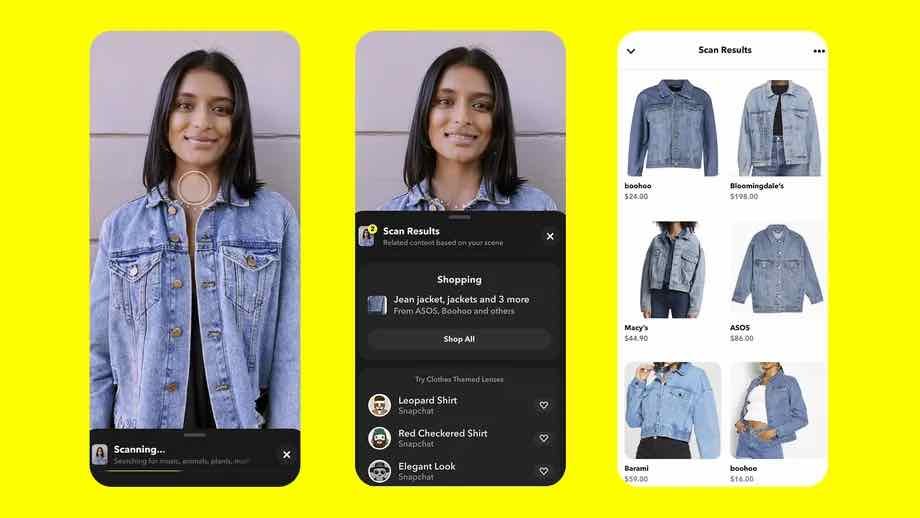
I’m more bullish on visual search via mobile app than any AR / smart-glasses doohickey. Anytime you see something interesting that you can’t name can be a potential use case. Snapchat recently relaunched its Scan feature that uses the camera and AR to identify clothes, dog breeds, plants, cars and more. Google is also prioritizing shopping via its visual search feature, and is providing guidance for e-commerce storefronts to update their product listings to ensure they come up via results. Here is more from Verge on how Google is making this experience more contextual for shoppers.

SOCIAL & KIDS

Facebook is in the news again about generally making the world a worse place. The company will be testifying why it held back research showing that Instagram harms the mental health of teens. In the rarefied space where meta meets irony, it was reported that Facebook was planning to use the Facebook newsfeed to improve its image (you know, like every brand that it sells advertising to). The good news is that the company is pausing its plan to build Instagram for Kids. Speaking of kids and social media, TikTok now caps screen time for users under 14 in China. I wish them more success than I'm having with my kids.

SMART ESSAYS

  • Why do Strategy, Anyway? Love this from Roger Martin – he explains that companies need to maximize learning in strategy – to ask questions earlier, and make adjustments quicker than competitors.

  • Professional Certifications, Not Universities, Are The Future Of Marketing. A convincing case made by Samuel Scott on how marketing education should be less waterfall (expensive and intensive upfront) and more ongoing throughout your career. What if you spread your investment in an MBA over an entire career in marketing?

  • Advertising Fast or Slow. Faris Yakob channels Daniel Kahneman (Thinking, Fast and Slow) to explore how ads on media that people are fully engaged with (slow) perform better than not (fast). I’ll link to anything with the line: “Thinking is to humans as swimming is to cats; they can do it but they’d prefer not to.”

FINALLY

If you want to freshen up your Instagram feed, follow my new favourite photographer that adds paper cut-outs to famous landmarks and locations.

Digital Trends: 09.15.21

NEW HARDWARE: A bunch of new hardware announcements this month. Facebook – the least self-aware company on earth – just released Smart Glasses with Ray-Ban. No doubt a giant engineering feat, I can’t help but marvel at a company known for surveillance capitalism launching spy glasses. A fun write-up here. Amazon is also launching a new TV that is Alexa-powered and Kanye West (first time typing that name in this newsletter) is launching a new music gadget along with his new album.

TWITTER UPDATES: Lots of ‘innovative’ new Twitter updates:

For something truly novel, check out this new social platform that gives users 100 posts….for life!

SOCIAL (R)EVOLUTION: The Future from a16z has put together a set of posts on the evolution of social media services. It has the same spirit as the Web 2.0 revolutionary wave, and speaks to how many existing services without an inherently social dimension will be disrupted. Love it.

App Annie also has a new report, with global social media app adoption numbers with highlight the growth of live streaming video.

SMART ESSAYS

  • It’s Time for Esports to Stop Idolizing Traditional Sports. I’ve been doing more digging into this topic recently. Very helpful article, building on the big strategic theme of not limiting a new form to traditional models.

  • Netflix and Video Games. In a similar vein, another fantastic read by Matthew Ball. Exploring how Netflix views its competitors more laterally than others (i.e., competing for attention with Fortnite, not Disney+).

  • Ads, Privacy and Confusion. If you’re interested in keeping up with what is happening in regulatory space regarding privacy, data, technology, and advertising – there is not one that writes about it as clearly as Ben Events. His latest.

  • Why the Sales Funnel is the Cockroach of Marketing Concepts. I should say that shitting on the much-maligned sales funnel is the cockroach of marketing article ideas, but this is a good read. No frameworks are perfect, but some are useful (as are funnels in many contexts in my experience).


ADVERTISING STUDIES: Some interesting studies on advertising effectiveness. New research shows that advertising that matches the context of the platform it is consumed is more effective. For example, a Kanye ad on a page with a Kanye article performs 23% better than not. (That’s twice). An interesting report on the positive impact from following creative best practices shared by platforms for digital advertising (tips included). Finally, a useful, data-backed post on how marketers continue to chase the least important metric in social media: clicks.

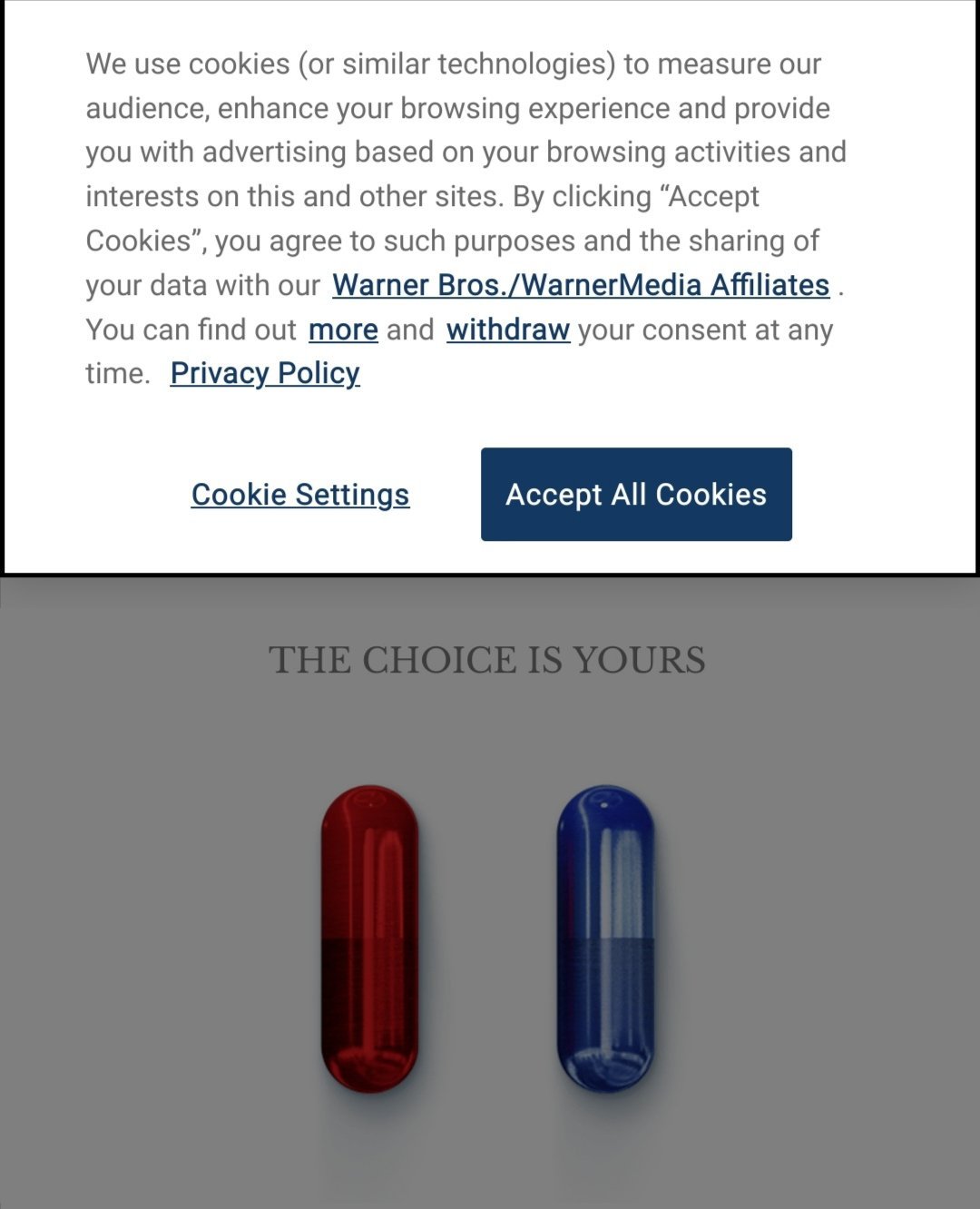
Speaking of data and privacy, someone on Twitter highlighted the unintentional comedy of the ‘Accept Cookie’ placement on the new Matrix promotional website. BTW the trailer just launched, and it looks awesome.

How to Plan Your Digital Marketing Training Program

Thinking about in-house digital marketing training for your team? Here are 10 questions to ask yourself:

  1. Organizational Priorities: What are the business / marketing priorities for my organization that digital needs to support? Consider if/how training can help.

  2. Learning Outcomes: What needs to change within my team for this training to be successful? Consider specific, measurable actions by team members.

  3. Participant Needs: Who needs to be included from my team and what groups have specific needs? Consider current levels of digital literacy.

  4. Training Topics: What topics need to be included to achieve my learning outcomes? Consider what is baseline and what is supplemental.

  5. Core Messages: What principles or practices do my marketing / digital leaders evangelize? Consider the important themes to weave in.

  6. Digital Maturity: What level of digital maturity does my team need to achieve over the next 18 months? Consider what is both feasible/desirable.

  7. Team Collaboration: How do I want participants to interact with each other throughout the program? Consider relationships you want to strengthen.

  8. Digital Capabilities: What digital marketing capabilities and resources do I want my team to know more about? Consider use cases to showcase.

  9. People & Process: What processes or tools are used to manage digital marketing that I want highlight? Consider internal SMEs/partners to showcase.

  10. Program Delivery: How might the program be structured to best serve the needs and learning styles of my team? Consider format and level of commitment.

If you’re trying to figure out if and how to design a digital marketing training program, I love to talk about this stuff so please don’t hesitate to reach out if you need a hand :-)

So, I'm writing a book

Over the years I have been chipping away at a book project. It’s sort of half book, half online training. The idea is to provide marketers with a handy resource that consolidates a set of useful strategic frameworks and instructions for how to use them. Many of the frameworks are long-standing and frequently used staples within marketing teams. Other frameworks are new or adapted and address emerging areas of marketing that relate to digital media, user experience, data, and technology. My hope is that this book is something that marketers can turn to when they are experiencing some strategic fuzziness and need some direction. A sort of cookbook for modern marketing. I’m planning to release the book by the end of the year and – presuming unsubscribe rates don’t spike! - will share progress along the way. I will also be asking you for input as I get closer to the release. If you’re interested in getting involved, just let me know :-)

Digital Marketing Strategy

Digital Trends: 06.04.21

CANADIAN E-COMMERCE: The Canadian Federation of Independent Business released research that illustrates the importance of digital marketing and e-commerce for small businesses during the pandemic. It was great to see that 48% of small businesses will stick with e-commerce even after the pandemic ends as a way to boost growth and competitiveness. This mirrors recent Canadian customer research that shows how increased online shopping adoption is here to stay. As I tell my kids, that toothpaste is not going back into that tube!

EXPERIMENTATION & TESTING: For those interested in A/B testing, here is a really interesting post that dissects how the New York Times tests its headlines. The article shows the different variations of headlines used, and the results that illustrate that more headline testing correlates with higher article engagement rates. In a similar vein, here is a fantastic time-laps video that shows how often Walmart changes its ‘digital shelf’ for dog food over a 24-hour period. A great example of how retailers can influence customer choice.

Experimentation

STATE OF AGILE MARKETING: Speero / CXL recently surveyed marketers on the state of experimentation. Some interesting findings, particularly around barriers to adoption and maturity. Only 7% of respondents strongly agreed that teams are trained on how to run experiments, and only 14% consistently share experimentation learnings across the company. Agile Sherpas released research from a similar survey on Agile Marketing. Again, the lack of training is highlighted as the largest barrier to adoption. For those that attended my Agile Marketing webinar, you might find it interesting to see the breakdown of the most popular practices used by marketing departments to become agile in their own ways.

Agile Marketing


AUDIO & CLUBHOUSE: While Clubhouse continues to dominate the marketing technology zeitgeist, I still can’t find a Room to hold my interest for more than 5-minutes. Regardless, audio-based social networking & content is hot and all of the major platforms are incorporating their own audio features including Facebook and LinkedIn. I’m personally more interested to see how Spotify will incorporate these features, as it feels like a more natural extension to its audio content - particularly given how more people now use Spotify for Podcasts vs. Apple for the first time.

GOOGLE & ZERO-CLICK SEARCHES: Google is under some fire from some marketing circles due to a study that showed that 65% of searches in 2020 resulted in no clicks. The implication being that more people are using the results that Google shows within the results pages to address questions or tasks – such as finding a location within a Google map or finding an answer within a Featured Snippet. Many markers are responding by creating more SEO-optimized content that answers specific, relevant questions. Speaking of maps, I love what Google is doing here to use AI to help people map more environmentally friendly routes. As someone who is 'navigationally-challenged', I can’t wait for the new augmented reality way-finding features to be released.

unnamed.gif

Digital Trends: 23.03.21

ADVERTISING EFFECTIVENESS: New Ipsos research explores the factors that lead to “Fame” campaigns in social media– those that inspire people to share and provide the brand with excess share of voice. Four traits are noted: Cultural Impact, Creative Bravery, Positive Feelings, and Controversy…tough to check all those boxes. Snap also published some new research that reinforces their position that longer ads do not mean better ads (at least not on Snapchat).

GOOGLE & COOKIES: Many folks are pontificating about the future of cookie-less digital advertising, which is only making a complicated topic more difficult to follow. Here is a clear-eyed overview from the WSJ on the implications of Google’s recent changes. This report from Jounce also has some useful perspective, including a helpful visualization of ‘different internets’.

Different Internets


SOCIAL MEDIA TRENDS: The Drum has a great overview of how social platforms are evolving to embrace social commerce (i.e. making posts more transactional). Kantar research says 83% of TikTok’s audience have made purchases inspired by its trending content. YouTube is the last platform to embrace TikTok’s short video format with a new feature called Shorts (following Twitter’s Fleets, and LinkedIn’s Stories). If you are curious about the Influencer / Creator space, this is a very useful guide to what determines rates and terms by #Paid.

FRAMEWORKS & RESOURCES: I love the content that the Spotify Design Team shares through its blog and newsletter. The latest post covers a tool that they use to align teams throughout the design process. Really like the clear Spotify-specific criteria used.

Spotify Design


Google also recently published a useful beginner’s resource on ‘Mastering Digital Advertising’. It’s a quick guide that has a good section on ‘waterfall budget planning’. Reminder that I regularly post new frameworks on Kickframe.com.

SIGNS OF THE TIMES: Brandwatch (which has an excellent newsletter) shared some telling social media listening research last week. They collected millions of posts containing the phrase “I need a” and pulled out the related terms. Chair, Haircut, and Recipe showed the largest increase (Comprehensive Digital Marketing Newsletter is sadly further down the list). Finally, if you are trying to get out of a Zoom call, check out this new service that sabotaging your own audio streams “making your presence unbearable to others.” Welcome to 2021.

AUGMENTED REALITY: Facebook made news earlier last week by releasing a concept video from its Reality Lab. It was interesting to see that the focus was not on glasses, but rather a wrist-worn device that integrates with your neurons. I’m skeptical about giving FB my primary email address, so this might be a stretch. This concept is more my speed – Pizza Hut just launched ‘specialty-marked boxes’ (is there a more exciting term?!) that turn pizza boxes into virtual Pac-Man games.

Augmented Reality

Digital Trends: 12.03.21

Browser Travel.png

BROWSER TRAVEL: Now this is fun. A bunch of new sites and services have popped up to help give us our travel fix while we are stuck at home:

  • Radio Garden: spin through the globe and tune into local radio

  • Window Swap : turn your screen into another person’s window view

  • Travel Remotely : roam exotic streets while listening to local sounds

RETAIL ADVERTISING: Facebook released some new research that supports the influential “Long and Short of It” concept. The report advocates for a full-funnel approach to media planning as “in certain instances, brand campaigns can be more effective than DR campaigns in driving sales.” Google also has some new research/perspective on how retailers should balance providing scale (e.g., endless aisle) with curation (e.g., recommended for you). The report reinforces that both approaches need to allow the customer to feel in control throughout the decision-making process.

SUSTAINABILITY & DIGITAL: A few interesting examples of eco-friendliness making its way into digital products: Mastercard recently applied for a patent that will track and reward cardholders for making eco-friendly purchases and VW (of diesel emission scandal fame!) recently launched a ‘carbon-neutral’ website that requires less computing power.

GOOGLE & TRACKING: Google released news last week that once it removes 3rd party cookies from Chrome that “we will not build alternate identifiers to track individuals as they browse across the web”. The tension between advertiser’s desire for greater targeting with customer/regulator’s desire for greater data privacy continues to play out. Mediacom thinks this will lead to a better advertising model.

SOCIAL PLATFORMS: More product news from the social platforms. Twitter is planning on introducing a Super Follow option that allows users to charge for their tweets (I will gladly pay to avoid certain tweets). LinkedIn is also getting into the employment marketplace space with a new feature that helps freelancers find work. Finally, this is a smart post on how audio is the next frontier for tech/social “The Age of the Ear”. Reply back if you need a Clubhouse invite!

Trendapalooza 2021

I spent some time between binging holiday baking and Netflix to skim the latest digital / marketing trend reports published by various companies. I highlight the ones that I found most interesting below.


Facebook 2021 Trends & Topics: Every year, FB reports on the topics that surged in interest across the platform globally. Some predictable COVID-inspired rabbit hole dives this year - gardening and ed-tech topping the charts. Google released a similar report based on search volumes, albeit with a stronger Tiger King skew.

Digital Marketing Trends

Deloitte 2021 Global Marketing Trends: This report covers many topics, the most interesting involves new research on CMOs – not a pretty picture. Only 3% of CMOs consider themselves high performers (reduced from 5% pre-COVID) in their ability to impact strategic decision-making, contribute to the overall direction of the business, and garner support among their peers for their initiatives. Further - and critical to customer-facing digital initiatives - only 29% have a significant impact on ‘Customer Experience’, less than the CFO (36%) and CIO (46%).

Fjord Trends 2021: This report covers more experiential themes, most of which revolve around how brands can be more present in new mediums and behaviours that are heightened by COVID restrictions - but likely here to stay in some form. Many interesting examples of how brands are creating content that blends edu-tainment, social media, and virtual events. See Amazon Explore for an e-comm focused example.

21 Trends from Trendwatching: Worth reading for the creative naming of the trends themselves (Pamdemoment, Transcycling, Robo-Roaming?), this is a quick overview of some big picture societal trends with real-world examples. A few years ago, a macro-theme was every company is a 'software company', now it seems to be every company is a 'health company'. See how Microsoft infuses mental wellness into its Teams Communication Platform.

Digital Marketing Trends

2030 Consumer Trends (Mintel): A smart report, with some bold and specific predictions for 2030. Covers a lot of ground, with the most interesting predictions revolving around consumer-led interest in sustainability. Some interesting examples of how sharing and second-hand marketplace concepts can support this shift, from peer-to-peer clothing purchase to subscription-based car ownership.

Forrester Predictions 2021: This report focuses on more business and technology trends. Some interesting projections of how B2B marketers will invest in AI and automation (60% of B2B sellers will use), and the increased importance of digital tools (1/3rd of B2B tech buyers rate chatbots as a top-10 engagement channel). Further, 4 in 10 buyers indicate that human engagement with sellers as become less important.

We Are Social Global Digital Report: A comprehensive global report that covers commerce, privacy, sustainability, and technology topics. I found the section on livestreams most interesting. While many retailers have had to close their shops due to COVID and take to new digital channels to engage customers and sell products, there is evidence that this trend will continue as a way to elevate the online shopping experience. See The Drop – Snapchat’s shoppable show.

Digital Marketing Trends

Building Digital Maturity in Small Marketing Teams

Over the last few months, I have been training a group of small businesses on building digital marketing maturity. These organizations do not have large budgets, sophisticated martech stacks, or in-house digital departments - in many cases, these are ‘one-person marketing teams’. It can be daunting to figure out how to increase digital marketing maturity in such an environment where the day-to-day demands already feel overwhelming. One client mentioned that the thought of building digital maturity is “like driving a car while changing the tires.” So, how can we figure this out?

Many companies (and consultancies) have developed various digital marketing maturity models, primarily for larger organizations. When completed properly, these models help align teams on:

  • The current state of their digital maturity (where are we today?)

  • The desired future state for their digital maturity (where are we going?)

  • The desired phases of building digital maturity (where to, by when?)

These models also illustrate the critical relationship between Enablement (technology, people, processes) and Activation (customer experiences and marketing use cases).

The same approach can be taken by smaller organizations and marketing teams. To start, marketers need to identify their digital priorities – how do your digital marketing activities and capabilities need to mature to support the overall goals and strategy of your organization? From there, marketers need to explore more tactical ways to support these higher-level digital priorities. This can be done by identifying new marketing use cases (e.g., target customers who abandon shopping cart) and identifying changes to digital channels (e.g., redesign lead capture forms). The following provides a sample of different tactical opportunities for small marketing teams based on different digital channels and different levels of maturity.

Finally, teams need to create a digital marketing maturity action plan. This plan should identify the digital priorities and the planned steps to digital maturity. It is critical to include what is required at different stages to support these new experiences and activations (Enablers). When completed properly, the plan should align business objectives, marketing initiatives, and technical requirements. The process itself can also help marketers build support for more digital investment, and establish bridges between different departments – particularly Marketing and IT. While it may still feel like you are driving your car while changing the tires, at least you know where you are going.