A big focus of this newsletter, and of my corporate training programs, is exploring how AI can provide practical value in our work. I’ve shared a few of my own tips (see past newsletters here), but I want to learn from others. So, I asked my friend Wendy Schaffer to share one. She’s a creative consultant with a strong content background, and I was curious how she’s using AI, since writing is the area that’s felt the most disrupted. See below, and you can connect with Wendy at WendySchaffer.com.
In that same spirit, I’m planning another AI Share & Tell on Thursday, June 25 at 12:00pm EST. I ran one earlier this year and it was fun: part training session, part roundtable. I’ll share a few new lessons and tools, and we’ll do a quick round of practical AI uses, big or small, that make our work even 1% easier or more enjoyable.
If you’re interested, sign up here and I’ll send you the details.
AI & Search
Google Search as you know it is over, or so says TechCrunch. At its latest Google I/O event, the company announced a shift from links to conversational answers and agents. For users, there’s some appeal: getting answers without leaving search, or not searching at all (think an agent that pings you when a concert ticket drops in price). For marketers…maybe less good. Or at least more challenging, with fewer people seeing your content or visiting your site. Google has shared tips for keeping your content visible, mostly grounded in familiar SEO principles. Here’s a smart AI Search manifesto arguing that brands need to become publishers to stand out in the new landscape. Related: the great BRXD newsletter is tracking the new / evolving marketing roles AI is creating. One they feature is a Sr. Manager of Agentic Commerce, SEO, and GEO. Interesting to watch how jobs evolve to fit this new world.
AI Guidelines
I recently took this picture at a high school in Waterloo and shared it on LinkedIn.
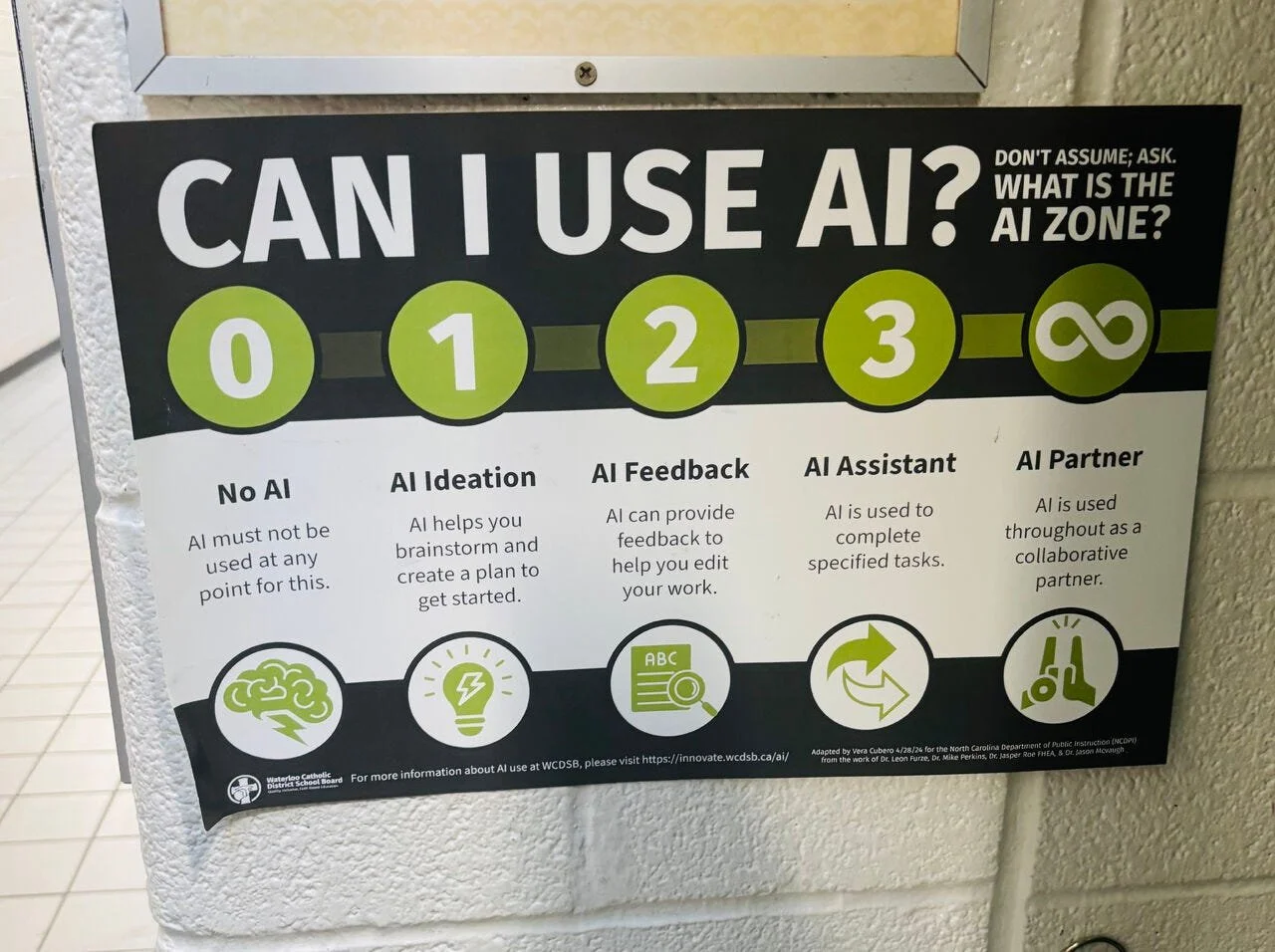
It lays out a clear framework: a scale from “no AI” to “AI as a full collaborative partner.” Teachers assign a zone to each assignment, so students know what’s allowed before they start. I thought it was great. One of the people who developed it, Katrina Gouett, actually reached out to me with some background, including this fantastic deck designed for teachers navigating AI in the classroom. Lots in here for managers to reference when considering how to provide AI guidance for their teams.
Fresh Research
Gartner 2026 CMO Spend Survey (Gartner): Gartner’s annual survey of CMOs reports that they now allocate an average of 15.3% of marketing budgets to AI, yet only 30% report that they can scale AI capabilities.
Lessons from 51 Successful AI Deployments (Stanford): Teams that succeeded treated AI as a change-management problem: they addressed workflow before applying AI, had an executive sponsor who made it safe to fail, and started small and iterated.
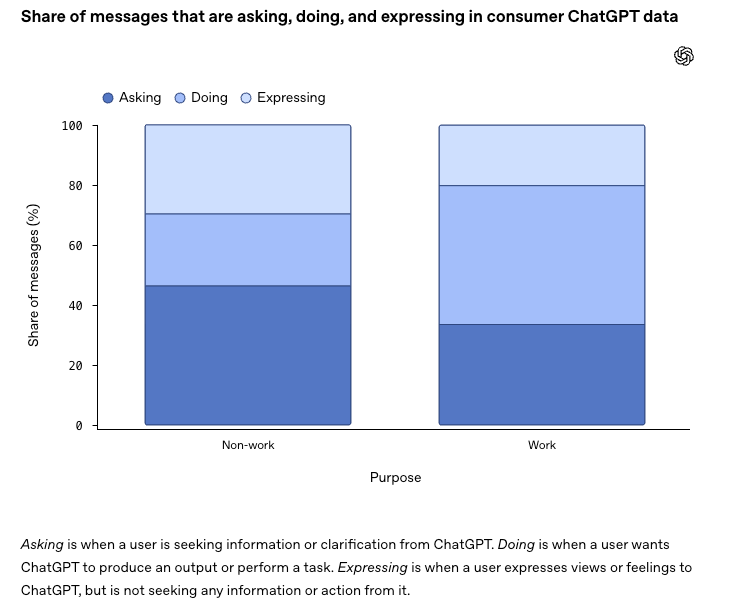
Signals: How People Use ChatGPT (OpenAI): New data on the actual use of ChatGPT by consumers over the last 20 months. Interesting breakdown of use by Asking vs. Doing vs. Expressing (Asking decreasing, Doing increasing).
Cool Beans
Who Americans Think is Cool (YouGov): IN!: Samuel L. Jackson, The Beatles, Science and Outer Space. OUT!: Kanye West, BTS, Sports Betting, and Cryptocurrency.
Apocalypse Early Warning System: Working hypothesis: in the event of an imminent nuclear apocalypse, people with access to private jets will take to the skies. Solution: a website that tracks this in real time and assigns an emergency level accordingly. Rest easy, friends - we are only at Emergency Level 1/5.
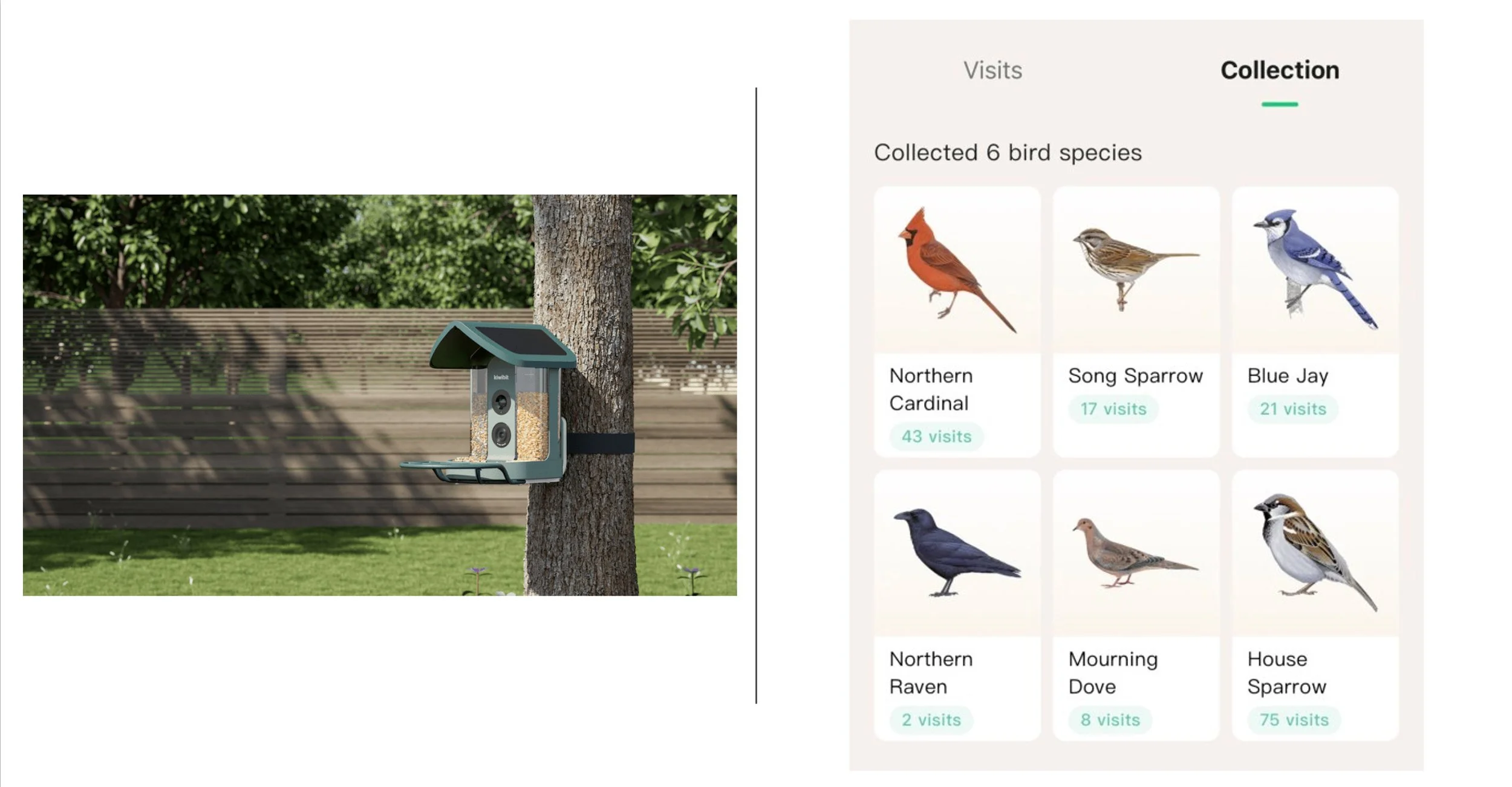
AI-Powered Bird Feeder: I am 100% indifferent towards watching birds, let alone feeding them, but I absolutely need this AI-powered bird feeder that identifies birds and logs their visits.