Digital Trends: 11.15.24

When I provide AI training for marketers, the experiences can be very different. For some clients, it's the AI wild west, while others are under total AI lockdown. Others are in the middle, with fuzzy and undocumented guidelines, which may explain why more than half of marketers currently do not disclose their AI use.

A new Wharton study looked into a variety of AI topics, including guidelines. It demonstrates that 51% of organizations have few or no restrictions at work, while the remainder use AI with some restrictions. This month, Brookings, McKinsey, and BCG released a few more reports on AI in the workplace which help paint a clearer picture of what’s happening:

If you’re a marketer on one of the teams that allows AI and are considering which tools to pilot, check out this useful guide from Edelman that evaluates a variety of AI tools based on their relevance to common marketing and communications activities like writing, research, ideation, analysis, synthesis, and design.

AI & Use Cases

I am constantly looking for new ways to incorporate AI into my day-to-day workflow. My latest trick is to have ChatGPT critique any set of recommendations I’m working on. It helps to identify blind spots, and prepare for potential questions or feedback. I love hearing how others are finding creative ways to use AI in their own lives, like this post from an Anthropic exec (choosing frames for art!) Within marketing departments, content-related tasks continue to be the most frequent applications for AI. If you and your marketing team are analyzing different AI use cases, this useful framework can help you evaluate them based on their fluency, accuracy, and risk. I’m a sucker for a good 2X2 table!

Digital & Media Research

  • Gaming Report 2024 (Dentsu): Reinforces what most marketers seem to know (time spent on gaming is massive) but still do very little about (media spending is not).

  • Global Digital Snapshot (We Are Social / Meltwater): 480 slides on how digital media and technology is being adopted around the world. If you’re looking for an updated digital stat, it’s in here.

  • Media Reactions 2024 (Kantar): Research shows that consumers continue to be more receptive to ads, with Amazon and TikTok leading in preference. A helpful refresh for anyone in media planning.

  • Next Big Arenas of Competition (McKinsey): Big picture predictions on high-growth areas, including digital advertising (from $520B in 2022 to $2.9T in 2040). One driver is Gen AI reducing content costs, personalizing ads, and enabling more small businesses to advertise.

  • The Awareness Advantage (Tracksuit): Fresh research that demonstrates the correlation between brand awareness and conversion rate. Another log for the fire in the ever-present brand vs. performance marketing debate that I’m so over.

Cool Beans

  • AI + Sneakers: AI is coming for your sneakers! A new tool can smell your shoes to see if they are counterfeit, and Nike might be integrating AI into its app to help with product fit recommendations.

  • Amazon X-Ray Recaps: A new Gen AI feature to summarize episodes and full seasons of TV shows on Amazon. It apparently can recap right up to the point you stopped watching, without any spoilers.

  • 10-Minute Art Challenge: The New York Times is asking readers to spend 10 minutes staring at a single piece of art (this week it’s a piece from Edward Hooper). People find the experience “weird and daunting.’ I made it to 30 seconds.

  • The Best Inventions of 2024: Very cool collection of 200 innovative products, services, and ideas including TrueLoo– an AI-powered toilet seat that optically scans your stool and urine for concerning changes – Christmas is around the corner, people!

Digital Trends: 11.01.24

During my AI training workshops, I am always fascinated to hear how people are incorporating AI in creative ways into their daily lives. In many cases, people have found ways to personify an AI-powered tool as “someone to help them with something”. Here are a few interesting examples of using AI as a:

  • Career coach who helps to guide you to your new role or development opportunity

  • Mediator who can develop consensus from a set of extremely divergent views

  • Board member who critiques your presentation and recommendations

If you’re interested in how AI can benefit your marketing team, check out my new in-house corporate training program which combines instruction, hands-on exercises with AI tools, and interactive group activities.

AI + Shopping

As we become more comfortable using generative AI tools, will we expect search bars on retail websites to behave more like chatbots? It seems like this is a trend, as consumers are increasingly interested in using AI-powered search engines for online shopping. Retailers are beginning to respond. Amazon has introduced AI shopping guides, which consolidate information shoppers typically research before making a purchase. This is in addition to Rufus, Amazon’s AI-powered shopping assistant. Google is also upgrading its shopping experience by adding product recommendations as well as virtual try on and AR shopping features. Walmart recently released a useful study on ‘adaptive retail’ that examines consumer trends including the desire for a virtual personal shopper.

AI + Advertising

AI continues to have an impact on advertising both from a media canvas and a creative ad production perspective. From a media canvas perspective, AI-powered search platform Perplexity is offering advertisers the opportunity to sponsor posts within its answers although brands appear to be hesitant to do so. AI is also having an impact on advertising with Google, as the company re-introduces AI Overviews which combine relevant information and ads based on a user’s search query.

From a creative ad production perspective, the major platforms are providing advertisers with more generative AI features to help with creative ad production:

The more these features are integrated into advertising platforms and existing campaign management workflows, the faster adoption will occur.

Helpful Resources

  • 10 Step Guide for Advertising Effectiveness (Mark Ritson): Recap of a recent presentation where Ritson synthesized practical takeaways across major marketing effectiveness studies.

  • List Culture (One Thing): Interesting look at the evolution of lists, from fun Buzzfeed listicles to authoritative New York Times prestige lists, and how human curation is required to see connections that algorithms do not.

  • The Art of the Prompt (Google): A very clear and useful guide for marketing strategists and ad creatives to get the most out of Gemini, though the majority of these tips can also be applied to other tools.

Fresh Research

  • 2024 Top Gen Z Trends (Spotify): Highlights how young Canadians are using Spotify to express themselves and connect through playlists and other platform features.

  • 2025 Media Trends (Dentsu): Connects several macro trends including AI to implications for brands and media, including the need for ‘algorithm planners’ to design modern media strategies.

  • 2024 Blogging Statistics (Orbit Media Studios): 11th edition of an annual survey of bloggers. Highlights that 80% of bloggers are using AI, and most are seeing much less organic traffic from search.

  • AI+Study (ArtReview X NOWNESS): Study exploring the AI’s impact on the future of art, film, and wider culture. Great presentation on the tension between AI and creativity.

Digital Trends: 10.15.24

My kids tease me for listening to the same music all the time. It stings because I think of myself as someone with a broad musical palate, but I know they’re right. Well, it turns out I’m not alone because new research shows that music discovery peaks at 24-years of age and after 31 our musical tastes start to stagnate. The Spotify algorithm doesn’t help either as it acts as more of an echo chamber for playlists than a discovery tool. Spotify recently launched an AI playlist builder which dynamically builds a playlist based on a prompt (e.g., “background music for newsletter editing”), which might help. Other music services are also popping up designed to burst our musical filter bubbles:

  • Music League: A game where players submit songs and vote on themed playlists.

  • Radiooooo: Explore music by country and decade using a world map with mood options.

  • Unchartify: Browse all 6291 of Spotify genres grouped alphabetically (Canadian Stoner Rock anyone?)

I love this quote from a Spotify data scientist about the false assumption that you can delegate your musical discovery to an algorithm: “curiosity is an active mode”.

AI + AR Glasses

Meta released a prototype for its AR glasses called Orion. The reviews were fairly positive from a technical perspective, but few articles shared any real compelling applications. You know when Meta is promoting a “reminder” feature that lets you take a picture with the AR glasses and send it to your phone, they’re searching for practical use cases. Ironically for Mark Zuckerberg, the most compelling application comes from two Harvard students who created a demo that instantly dox people’s identities and personal information. I recognize that personal doxing devices might step ever so slightly on privacy concerns, but it is interesting to consider some contexts where it might be beneficial for both parties; a networking event? Emergency medical responders? A resort concierge? Dating?!

AI Resources & Tools

  • Boosting AI Organizational Adoption: A great post by Ethan Mollick that gives practical advice on how to encourage AI innovation in a business, such as personally rewarding people who find useful ways to use AI.

  • Share of Model: Tom Roach first talked about the idea of measuring how visible a brand is in large language models. Now, a new service will be rolling out that lets you see what AIs are saying about you.

  • Prompt Libraries: I’ve been using my own personal prompt library for a few months now. It’s a resource that is even more valuable to teams. Here’s a Notion template that will help you get started, and Microsoft shared some useful marketing related resources.

Fresh Research

  • 2025 Global Consumer Trends (Mintel): A global report for marketers that actually includes a Canadian datapoint on the trend of community: 88% of Canadians who have lived in Canada for less than 10 years say they enjoy participating in Canada’s cultural traditions (e.g., holidays, winter sports).

  • State of Generative AI (Deloitte): Highlights the challenges that organisations face when implementing generative AI, with only half of respondents using KPIs to assess AI performance.

  • 2024 Insights Report (The One Club): Summarizes the One Show advertising campaign winners into 6 themes, along with comparison to 2023 winners (more DE&I, more humour, more creative use of data).

  • Global Trends (Ipsos): Super interesting global research. A tip for Canadian subscribers: open the PDF and enter ‘Canada’ into the Find search bar and see how weird we are compared to the rest of the world.

Cool Beans

Digital Trends: 10.01.24

Last week I led a training session called “A Marketer’s Guide to Getting Started with AI” for a group of 20 marketers and creatives. It was a great opportunity to share training materials that I’d been working on, and discuss how we’re all incorporating AI into our work. A key takeaway for me was the employer’s influence on individual adoption. Without organizational support, even the most AI-forward marketer or creative will struggle.  

AI & Productivity

New research on AI in the workplace supports the need for organizations to step-up formal AI adoption programs. The AI Proficiency Report studies a segment of knowledge workers who achieve high proficiency with AI; the primary drivers for proficiency are (1) company approval of AI, (2) AI training, and (3) access to team-wide AI tools. The importance of training is supported by other studies which show that lack of training is the top barrier for AI adoption, and that providing training increases employees’ likelihood of reporting that AI improves productivity by 19X.

Source: Section, The AI Proficiency Report

During the session, we also discussed incorporating AI into our own daily workflows. According to research on AI Power Users, they are 49% more likely to pause and ask themselves if AI can help.  AI Power Users are also 68% more likely to experiment with AI, which can lead to gains in capability – not just productivity.  Rishad Tobaccowala has 10 smart thoughts for adopting AI, including this great quote:

We need to re-imagine our job and adapt what we do to reduce our exposure and time to things that machines will do well ( allocate, monitor, measure, delegate, process) and increase our exposure to what machines do less well ( create, build, mentor, guide, inspire).

One hack that I've found useful is to mentally reframe AI tools as 'people' who help me with different tasks.

NotebookLM

A popular use case for AI is asking a tool to summarize a large document (or set of documents) or answer a question based on the material uploaded. For businesses, this type of tool can serve as a super-charged internal wiki or resource for employee support and onboarding. Google just announced that its NotebookLM product is now available for all Google Workspace customers, which can be used in this way and more. For example, it has a feature that automatically converts uploaded content into a podcast episode and the results are uncanny. I tried it by uploading a PDF of the material from training session from last week and the results are amazing. So, in case you missed the session, you can listen to a 5-minute podcast episode recapping the material here.

Cool Beans

Fresh Research

  • Social Signals (@mattstasoff): Part deck / part scrapbook – this is a fantastic resource that synthesizes different ways social media is changing. If you haven’t touched social media marketing in a while, give it a skim and get up to date.

  • Next Gen Influence (We Are Social): Outstanding report with loads of real-world examples showing where the influencer marketing (and Internet culture) is heading. Useful for brands and creators.

  • AI Landscape Report (Edelman): A very useful report for PR professionals on the best AI tools to use in six different areas: writing, research, ideation, design, synthesis, and analysis.

Marketing + AI Use Case Workshops

I recently led a few workshops for clients exploring the ways that they can use AI to benefit their marketing teams and programs. If you’re interested in doing something similar, it is helpful to have a simple framework to keep everyone focus and capture inputs. I used something similar to the outline below – the flow from left-to-right being:

  1. Marketing Priorities: What we’d like help with is THIS

  2. AI Capabilities: And AI is great doing THAT

  3. Use Case Opportunities: So, let’s try using THAT for THIS

Digital Trends: 09.15.24

There are few things more humbling than realizing that your child's maths homework is far beyond your capabilities. This happened to me over the weekend when my daughter was struggling with a problem. I tried to help but got stuck (if you remember what an improper subset is, I tip my cap to you), so I turned to ChatGPT for help. It was clear, easy, and fast. This was my first hands-on experience with AI and education, and it was eye-opening.

Education is known to be a market ripe for disruption. Will AI help or harm? Sal Khan has an inspiring Ted Talk that demonstrates the promise of AI for teachers and students convincingly. In reality, the results are mixed. When students use AI as a crutch, their academic performance suffers. However, when students use AI with safeguards (i.e., not just giving students and answer when stuck) the results are positive. I feel for teachers who need to adapt so quickly to this new reality, so it’s cool to see AI tools being used to help prepare for classes and to create quizzes for students. South Korean schools are even developing AI textbooks that are tailored to how students learn and provide teachers with dashboards to track progress. Hopefully there will also be new AI tools for mathematically challenged parents.

Top AI Apps

Andreesen Horowitz has released a new edition of its Top 100 Gen AI Consumer Apps study. It assesses the popularity of AI tools on desktop and mobile based on visits and usage. Key takeaways: the top category (52%) remains creative tools, Claude and Perplexity are eating into ChatGPTs big lead, and many new entrants are on the list (e.g., Luma, Viggle, SeaArt). One category that continues to grow is AI companion apps like Character AI. Creating your own AI friend does not seem like the healthiest path to companionship to me, and even OpenAI has warned that users risk forming emotional ties with its Her-like ChatGPT voice mode. But my favourite new unhealthy category is “Aesthetics”, which includes apps that judge your personal appearance. Feel worse about yourself by using Umax for $4.99 per week.

AI & Productivity

Amazon CEO Andy Jassy recently posted that AI has increased internal software development productivity by $260 million in annualized efficiency gains. But many other businesses are not seeing AI live up to the hype. So, what can businesses do to more successfully adopt and benefit from AI?

Cool Beans

  • Google is rolling out AI features that integrate with its apps, allowing users to ask questions about email (e.g., “catch me up on emails about X”) and ask questions about photos (e.g., “when did we travel to Y”).

  • SportAI: A cool example of computer vision being used to analyze and course-correct a tennis swing. One of many tools expected to be released in the sports market, which is expect to reach $30 billion by 2032.

  • Airbnb Postcards: Very cool case study on creating localized postcards at scale from an Airbnb technologist. Would love to see more of these ‘under the hood’ case studies vs. award submissions.

  • IX / Neo: Not sure if this is an actual product or part of a teaser campaign for an AI robot sci-fi movie, but either way a life-sized humanoid robot assistant that cleans my house has my attention.

Fresh Research

  • What’s Next Shopping Report (TikTok): Highlights what’s trending on the platform that might interest marketers. Interesting to see personal finance trending as a category as young creators are talking casually and transparently about their goals and habits.

  • AI & Consumer Search Behaviour (Datos): Reviews search behaviour, and reveals that while Google continues to dominate, Perplexity is expanding rapidly (more monthly desktop webpage visits than ChatGPT).

  • AI & Occupational Exposure (StatsCan): Analyzes hundreds of jobs to determine the impact of AI. Most at risk of replacement (computer coding / data entry), least at risk (plumbers, carpenters). Nothing on digital strategy consultant / marketing trainer-types who write newsletters.

Digital Trends: 09.01.24

I’m pretty sure I lost a new project last week. I was talking to a potential client about providing AI + Marketing training and was probing around her goals. Specifically, what do we want participants to do (and not do) after taking the course? This led to a good discussion about the importance of guidelines, and the fact that they were not yet defined in her company. We agreed to put the corporate training on hold until this was more thoroughly explored. Here's a framework I sent her that outlines the types of topics she could begin discussing with her team about AI marketing guidelines.

This was a good reminder that corporate training is a critical part of change management. And if we’re not clear on what needs to change, we can’t be clear on what to teach. This is especially true for AI training, as participants often leave training sessions enthusiastic to find use cases and try tools that will help them out. It’s important to take time up front to determine how to best channel this enthusiasm.

AI + Risk Management

Risk mitigation is a critical aspect of any AI guidelines discussion. But what risk, exactly? Here’s a useful tool from MIT – the AI Risk Repository – that organizes a database of risks and policy frameworks. Publicis Sapient also has a useful playbook that outlines how to mitigate risks and improve the chances of success for generative AI pilot projects – which is helpful given that Gartner predicts that 30% of all AI projects will be abandoned after a pilot stage. The term AI means different things to different people, so the more precise our definitions of risk, the better.

AI a Turnoff?

Interested in AI in your newsletter? I hope so. What about AI in your coffee maker? Maybe not. A new study showed that promoting AI as part of a product description reduces intention to buy due to questions about privacy…and likely other questions like whether AI can make better coffee. It’s a good reminder for marketers that the overuse of the term is confusing people, or worse: boring them.

AI + Fakes

A lot has been written and shared recently about deep fakes. Many people are concerned that the U.S. election will be influenced by misinformation spread by fictional images. We got our first taste of it when Trump posted a fake ‘endorsement’ from Taylor Swift. This was more or less shrugged off as the images were clearly created by AI with its characteristic “odd blend of cartoon and dreamscape”. However, a few days later, Grok 2 from X was launched without guardrails, resulting in some more disturbing (and copyright-busting) results. This was followed by the release of Google Pixel 9, which allows users to quickly create and share photographic realistic images using AI. The big tech companies and platforms are promoting systems for watermarking AI images, which I’m not particularly optimistic about because any search I do for “AI and watermarking” leads to ads for tools to remove watermarks from images using AI.

Smart Reads

  • The New Landscape of Loyalty: Zoe Scaman has released another smart (and beautifully designed) presentation with a modern take on loyalty programs.

  • Apps Through The Ages (Qustodio): I've never seen research structured exactly like this before: how app usage changes with children as they age from 7 to 18. Some useful insights for marketers and parents.

  • Perplexity Ad Network: LLMs such as Perplexity are beginning to eat into Google search volumes, and they are now focussing on Google search advertising revenue. Colin Lewis provides a useful perspective here.

Cool Beans

  • Pixel Buds & Gemini: Google announced that its new earbuds will have Gemini Live, which means you will be able to talk to an AI assistant and ask them things like “Where did I leave you?”

  • Making Things Searchable: Another cool beans Google announcement – you can now use AI to make your screenshots searchable. This comes after Google Lens was added to Chrome desktop.

  • AI & Negotiation: Nibble is a platform that businesses like online retailers can use to allow customers to negotiate a better price (within a range determined by the company). Try the demo here.

  • Napkin AI: As someone who spends too much time in PowerPoint / Slides, this tool is pretty cool. Just enter text (not prompts) into the platform, and it will generate an image to help visualize your idea.

Digital Trends: 08.15.24

Piloting AI Use Cases

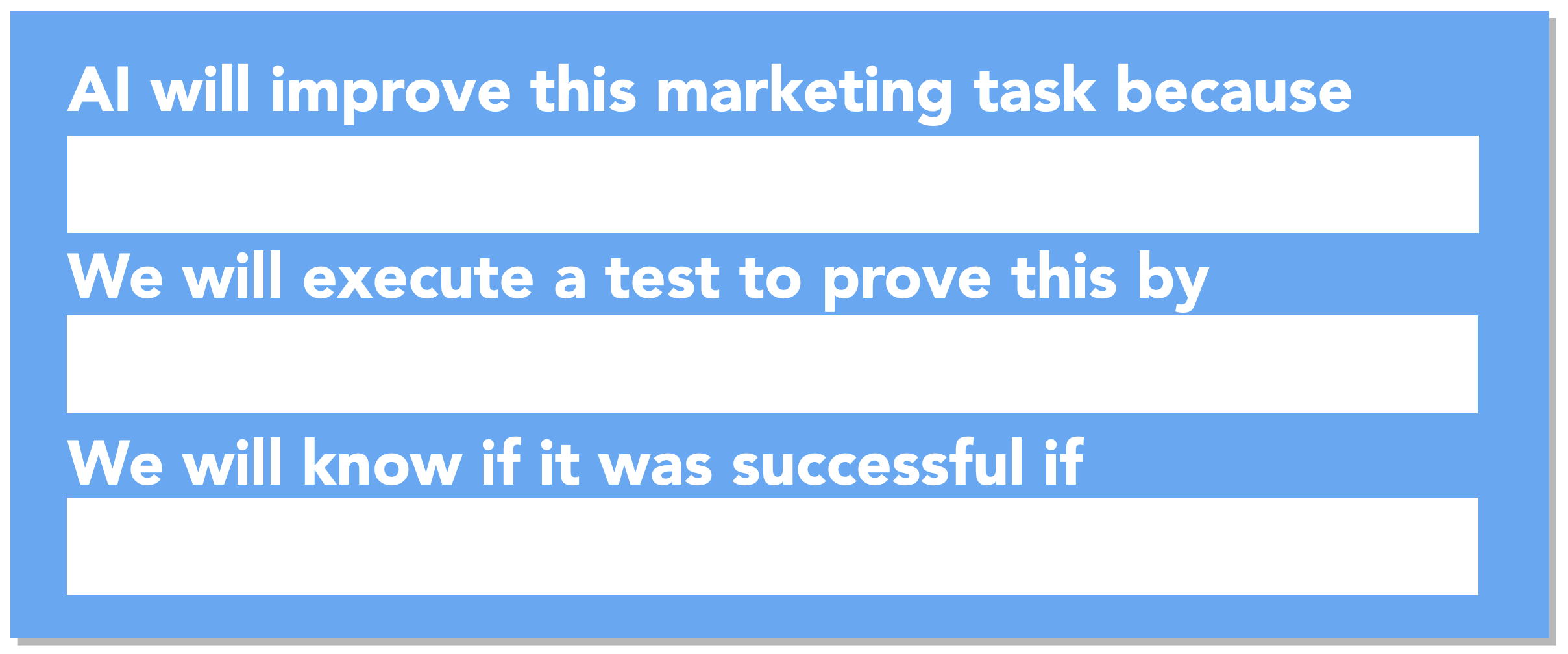
Before organizations adopt AI, they must understand exactly what they are adopting (and why). This is especially true in wild-west environments where people are trying out a whole whack of different tools. After all, the goal isn't to adopt AI; it's to improve outcomes with it. The following template can be used to document your potential AI use cases, including what metrics to use to determine whether the pilot was successful.

If you are trying to identify use cases for your team or your own personal workflow, here are some useful resources:

AI & WIFM?

But is it in your employee’s best interests to learn how to use an AI tool or to see an AI pilot succeed?  This is a critical piece of the change management puzzle, particularly in organizations where interest in AI is coming from the top or is not evenly shared among team members. Every change management model includes a 'desire' component; do your employees understand the benefits of adopting AI?

This challenge was shared with my by a friend on an AI council for a large organization. When she recruits people to trial different AI tools and use cases, some are hesitant to share their productivity gains. After all, if they tell their managers that they can save 5 hours per week by using an AI tool, won't they just get more work? According to reports, this occurs 21% of the time. Leaders must understand that not everyone necessarily shares their enthusiasm for AI and provide a clear and compelling answer to the question, "What's in it for me?"

Smart Reads & Resources

  • Anthropic publishes some pretty awesome resources to help create better prompts, including a searchable prompt library. I just came across this - definitely worth a bookmark.

  • Smarterx.ai has created JobsGPT that assesses the impact of AI on several aspects of different jobs. Simply enter your job and see where and to what extent AI can help.

  • Ethan Mollick has a useful retrospective on how far generative AI tools have advanced since 2022 with before and after image, video, and audio examples. Very cool.

Cool Beans

Fresh Research

  • Adoption of ChatGPT (University of Chicago): Interesting research from Denmark that shows adoption for different types of roles over the past year. Women are 20% less likely to use ChatGPT compared to men in the same occupation.

  • AI & Scams (Boss) The rise of AI is making people more concerned about scams such as those involving realistic voices and deepfakes. Only 18% surveyed feel very confident identifying a scam.

  • AI-Enhanced Work (Upwork): Highlights the friction between AI hope vs. reality. 46% of companies encourage employees to use AI and 47% of employees say they have no idea how to achieve the productivity gains their employers expect.

Digital Trends: 08.01.24

Over the last year, there have been many pronouncements made about how AI will make the workplace more productive. In fact, 96% of C-suite leaders expect such gains. New research is emerging that paints a more mixed picture of the actual impact of AI on workplace productivity. According to one study, 77% of employees believe that AI has increased their workloads by adding tasks like reviewing output from AI tools. Another study found that that AI ‘power users’ save 30 minutes per day on average. So how can employees and teams see productivity gains? Barriers to AI adoption and productivity include lack of understanding of AI, education on AI, and organizational AI strategy. Boosters include support from senior leaders, role-specific training, and working in an innovative corporate culture.

As we all tinker with AI tools in our own work, I found this one habit of ‘power users’ useful: they are 49% more likely to pause before a task and ask themselves if AI can help. Something that I am trying to do more often.

AI & Search

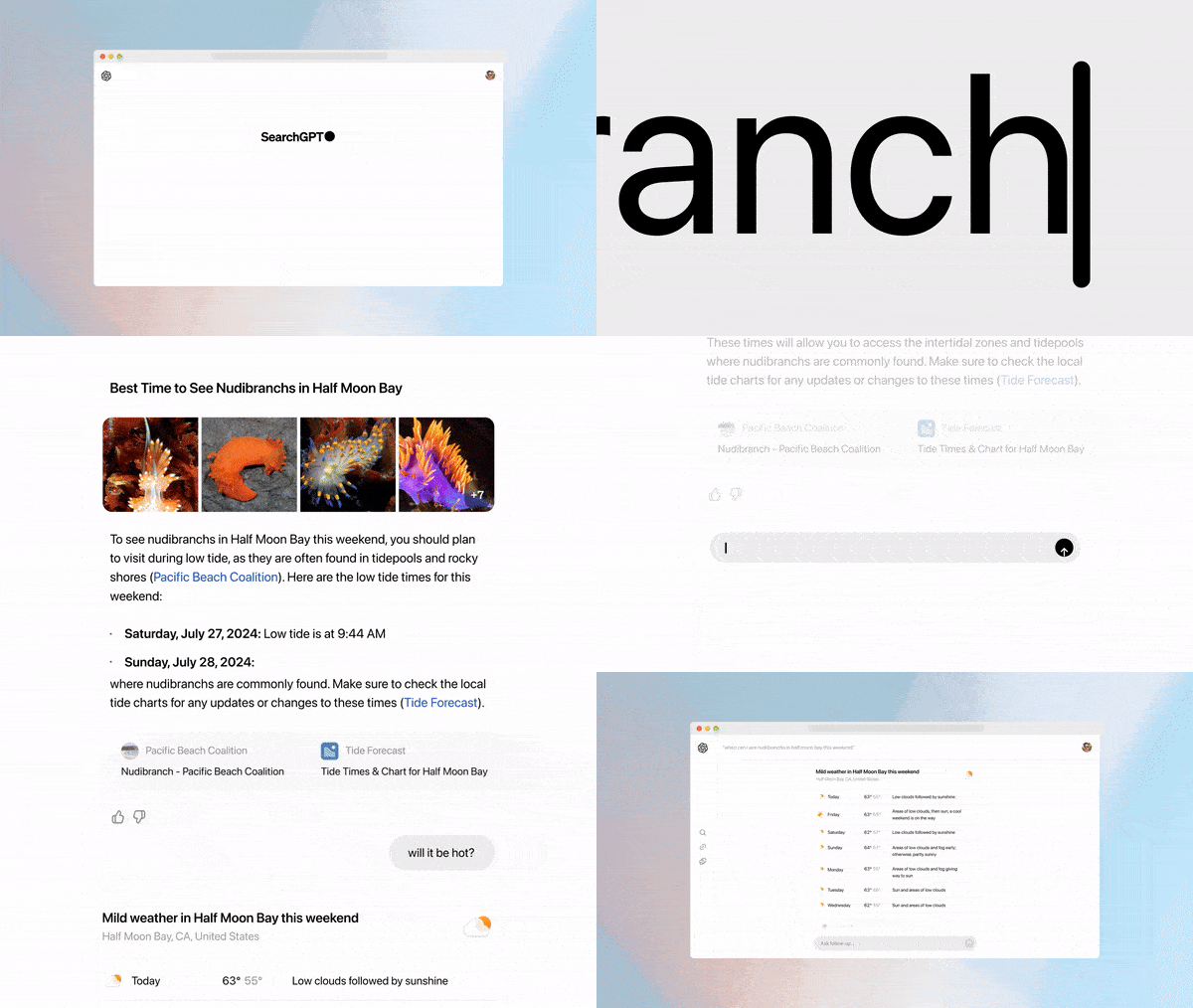
Once ChatGPT took off, it seemed like search was the first area to be disrupted as more people turn to AI to answer questions and find information. Google sort of tried to disrupt itself, albeit unsuccessfully (so far) with its search generative experiences. Now, OpenAI is launching a search product – SearchGPT. It differs from traditional search in that it is designed to provide an answer (not links), and provides a more conversational interface that allows for follow-up questions. Personally, the more I have used ChatGPT, the more frustrated I am with Google search. I now find it annoying to think of the keywords to enter that will most likely lead me to the content that I want, followed by wading through what now feels like a wall of ads. Regardless of whether SearchGPT is a hit, online search should benefit from some long-overdue user experience enhancements.

So, what will this mean for marketers? For starters, we all need to learn a new buzzword: Generative Engine Optimization (or GEO, to go with your SEO). This refers to optimizing your content to improve its visibility within AI-generated queries – like results provided by ChatGPT. Ethan Mollick recently encouraged brands to experiment, to essentially try to ‘rank’ higher than competitors. Tom Roach recently explored the concept of ‘Share of Model’ (like Share of Search, but for GenAI). A recent study also shows that brands can boost visibility by 40% in generative engine responses. Recommended tactics include citing sources, adding statistics, including quotations, and using authoritative language.  

Fresh Research

  • Attitudes toward AI in US (YouGov): This research segments US Adults into groups based on their attitudes towards and use of AI: AI Ignorant (29%), AI Abstainers (34%), and AI Optimists (37%). A good reminder if you are trying to get a large team to adopt an AI tool that people’s attitudes will likely differ.

  • 2024 Consumer Trends Report (Dan Frommer): Covers a wide array of trends including expensive beauty products, Ozempic, Zyn, and other things we all probably spend too much money on.

  • 2025 Trends (TrendHunter): Why stop at 2024 trends when you can read 2025 trends?! This report is packed with ~100 trends with examples spanning tech, retail, health, and culture – well worth a skim.

  • Hype Cycle for Digital Marketing (Gartner): Updated chart that shows Generative AI for Marketing at the Peak of Inflated Expectations (brace yourself for the drop into the Trough of Disillusionment everyone!)

Cool Beans

  • GenAI Video: OpenAI recently released a trippy new video creating using Sora. Piotr Bombol also shared an interesting behind-the-scenes story of the creation of an unofficial Volvo commercial made from 500 generations to produce 45 shots.

  • The Negotiator: If you’re looking for some help with an upcoming negotiation, check out this custom GPT that provides you with a customized plan. It will even draft emails for you, and play devil’s advocate.

  • tinyPOD: Love this new hardware product that turns your Apple Watch into an old school iPod with scroll wheel. If this can stop my watch from telling me to constantly stand-up, I’m in.

Digital Trends: 07.15.24

AI governance was a hot topic in our recent Kickframe AI+Marketing Bootcamp. While some large companies have AI councils and corporate policies in place, most small and medium-sized companies do not. Most of these smaller companies allow employees to bring their own AI tools to work (BYOAI). This creates a strange dynamic where teams are encouraged to use AI tools, but 52% of people say they are reluctant to reveal they use them on their most important tasks. Marketing leaders can address this exciting but unsettling current state by establishing clear AI guidelines for their teams.

I recently worked with a marketing team to create AI guidelines. We did this collaboratively, working through a series of questions that, once answered, served as an input into a more formal policy. If you’re thinking about creating your own AI policy for your marketing team, here are 10 questions to explore:

  1. Areas Of Focus: Given our marketing team's goals and responsibilities, where do we believe AI can add the most value? Where is it less valuable, or does it pose too much risk?

  2. Acceptable Use Cases: Given our area of focus for AI, what are the specific use cases where AI can be applied? Consider all of the relevant content, channels, and activities for which we are responsible for.

  3. Not Acceptable Use Cases: Given our area of focus for AI (and those areas where we will not focus), what are the activities or use cases where we will not use AI?

  4. Disclosure Of AI Use: Given these acceptable use cases, when should marketing team members disclose the use of AI? How is this presented to both internal and external audiences?

  5. AI Tool Requirements: Given the numerous vendors, tools, and versions of AI products available, how will we choose which tools to use? What specific criteria do we have for AI tools?

  6. Acceptable AI Tools: Given our acceptable use cases and our AI tool requirements, which AI tools can we use? What can these AI tools be used for?

  7. Access & Use of AI Tools: Given our acceptable AI tools and use cases, who on our marketing team is permitted to use them? What training, permission, or level must they first obtain?

  8. AI Risk Identification: Given our acceptable AI tools and use cases, what are the most significant risks? Consider bias, fairness, data privacy, accuracy, copyright protection, and compliance.

  9. AI Risk Mitigation: Given these potential risks relating to AI, how will our marketing team mitigate them? Consider monitoring, measurement, audits, incident reporting, and escalation procedures.

  10. Change Management: Given how rapidly AI is constantly changing and the outcomes of our AI implementation are evolving, how will we keep up with opportunities? How will we update our guidelines for marketing?

AI & Creativity

Another hot button topic is AI and creativity. A recent study found that less creative people benefit the most from generative AI when it comes to creative writing. However, AI-powered writing is less original than non-AI-powered writing. Reinforcing this point, a Creative Director used AI to reproduce (existing) artwork awarded at Cannes. McDonald’s recently launched a campaign with AI as part of the concept (rather than just the execution): send a translated recording to your grandma, along with a McFlurry. Noah Briar recently shared an interesting post about how he is incorporating AI into his creative process, as well as a 2X2 diagram framing various marketing problems.

Fresh Reports

  • AI for Marketing (Google): Explores how AI can be integrated in Creative, Measurement, and Media as well as considerations for putting together a cross-functional AI council.

  • Text-Based Sharing Trends (Meta): A survey of how people have used Threads over its first year, including the fact that more than half of the Millennial social media users surveyed consider themselves content creators or influencers.

  • The Five Deadliest Strategy Myths (Roger Martin): A super clear and helpful reminder of what a strategy is and is not, and the most effective way to develop an effective one.

Cool Beans

  • Wanderboat AI: A new AI tool to help you create a personalized travel itinerary with a fun interface.

  • Text to 3D: A new AI tool from Meta that creates 3D generated views of objects, and another that generates CAD files.

  • Gentype (Google Labs): Create an alphabet from (almost) any object you can think of.

Prompt for Font: scandinavian furniture bookcase, isometric redner, 3D style

Digital Trends: 06.15.24

I just wrapped up the Kickframe AI + Marketing Bootcamp with 30 smart marketers last week (thank you!) It was an excellent opportunity to receive valuable feedback on the new curriculum while also learning more about how everyone is thinking about and experimenting with AI. If you’re looking to upskilling your marketing team in AI, please don’t hesitate to reach out and I can give you the scoop on this corporate training course. I’ll also be hosting an open training event in September.

AI + Marketing

One thing we talked about during the Bootcamp was how AI affects creativity: does it produce poorer quality creative work than agencies and in-house teams? Right now, yes. Is it giving businesses that don't have a lot of resources marketing capabilities they wouldn't have had otherwise? Also, yes. This is one reason why industry folks have such mixed feelings about AI in marketing: we can see how it can boost productivity, but we can also see how it can hurt quality and disrespect craft. It doesn’t help that OpenAI's CTO shared her feeling that "some creative jobs might go away, but maybe they shouldn't have been there in the first place." Yikes.
 
Marketers are still investing in AI. Brand teams are starting to share their predictions for how much money they can save (Mondelez forecasts a 10%-20% drop in non-working media spend, while also producing more personalized advertising). Agencies as well. The Brandtech Group continues to invest in consultancies and tools that have AI at their core, such as the marketing platform Pencil. An agency called Rehab says that it thinks AI works best to help with strategy development and market research (not creativity). On the market research front, Mark Ritson talks about how synthetic customer data will disrupt market research (i.e., why pay for a focus group when you can ask an AI model?) Gartner predicts that by 2026, 75% of businesses will use GenAI to create synthetic customer data, up from less than 5% in 2023. Lots happening.

AI + Video

Many people have been paying close attention to AI-generated videos ever since the OpenAI Sora videos came out. Sora can only be used by a small group of testers right now, a list that somehow includes Ashton Kutcher. He shared that soon “you’ll be able to render a whole movie” using it. In fact, that is what a new start-up has in mind: to become the “Netflix of AI” by allowing audiences to generate their own shows. Abandoned Films is a YouTube channel that publishes movie trailers made by AI for “films that could have been, films that we can only dream of.” The Matrix – 1940s Film Noir is my fave. Luma Labs just released a text-to-video tool called the Dream Machine. It’s open for everyone to use, not just former sitcom stars. My creations have not worked out particularly well, but some more talented prompt engineers have created some videos bringing famous memes to life.

Fresh Research

  • Teens and YA on AI (Common Sense): GenAI use among teens and young adults was studied by Harvard. 51% of those 14–22 years old have used GenAI at some point, but only 4% say they use it every day.

  • State of AI in 2024 (McKinsey): This study shifts the focus from teens to businesses, where AI adoption has jumped to 72%. Approximately 50% of businesses have now adopted AI across 2 or more business functions. The biggest area of AI growth still remains consultancies billing clients for AI advice.

  • Consumer Trend Report (Forerunner): Interesting research on big-picture consumer trends. Includes a useful 2 X 2 chart on how consumers view AI as a tool to help them with different tasks.

Smart Reads

  • Building AI Products (Benedict Evans): Another smart / sober view of how (at this point) AI product innovation is most successful when it focuses on solving a narrow and specific use case.

  • New Cultural Codes (Zoe Scaman): A fantastic new deck / visual essay on how brands can more fully participate in culture and society, with some great framing and examples.

  • Doing Stuff with AI (Ethan Mollick): An update on the best ways to play around with AI right now, including how to use the new features of frontier models that use images as inputs.

Cool Beans

  • The Complexifier: As a strategic planner, I often question whether I’m making something simple too complex, or I’m making something complex too simple. Now I no longer need to do the former, the Complexifier GPT can do it for me!

  • Jenny Nicholson: Is an Executive Creative Director who shared a smart, fun 20-minute presentation on how she experimented with AI in her work over the last 12 months. Worth a watch.

  • WKRP’s Dr. Johnny Fever: My new favourite person in the world has pieced together every one of his DJ breaks and created a 3-hour playlist that is impeccable. One for the Gen X’ers on the mailing list.

Digital Trends: 07.01.24

I recently led a half-day AI + Marketing corporate training session for a 30 person in-house marketing team. The majority of the participants worked in creative and production roles. I was curious how they would perceive the AI use cases and tools that I was presenting; would they see them as a threat? During the session, participants were assigned to work in groups to develop a new campaign concept and supporting marketing asset using artificial intelligence. The response and outcomes were quite positive, with some important considerations and caveats that I believe marketers should consider before rushing to adopt these tools:

  • Domain expertise is extremely important. Designers who used AI to create marketing visuals produced assets that were ten times better than non-designers, as did copywriters who used AI to create scripts.

  • AI performs best with templated work. AI was most useful in creating traditional marketing assets, such as a press release, especially if an example is provided.

  • Helpful at the start, more helpful at the end. AI was useful as a brainstorming tool, but it was more useful for documenting and describing the idea after it had been largely developed by the team.

  • Great work still requires time. Everyone understands the potential for AI tools to save time on specific tasks; however, marketing teams must exercise caution before reducing timelines and expectations unreasonably.

  • Concerns about losing skills. Creative professionals have acquired skills and experience, and they enjoy being creative in their work. One copywriter put it best: "I don't want to lose the creative part of my brain, or the creative part of my work."

Thanks to the PharmaBrands team for inviting me to speak about AI+Marketing at their awesome conference in Toronto last month.

AI & Advertising

Speaking of AI in advertising work, I find this whole AI-shaming narrative in the marketing space to be ridiculous. We can’t have CMO’s being lauded for embracing AI, while then shitting on those brands that use AI in their work. If AI is used to bring iconic print ads to life, it’s magical; but if there are any imperfections it is a mockery. The offending marketing director must then do an industry perp walk on LinkedIn apologizing for using the technology. Just stupid. It’s a new tool, people are learning how to use it. Those who start now will have a valuable head start.
 
And how is AI impacting marketing agencies? According to Forrester, 91% of US ad agencies currently use AI primarily for content creation. Large agencies and networks are adopting AI tools at a larger scale, including WPP, which followed up their NVIDIA keynote with another presentation at Cannes to showcase its AI Production Studio. New GenAI ads can now tailor ads to peoples “complex psychological profiles”, making them more persuasive than non-targeted messages. This deck from Springboards.ai makes the case for AI as a driver of increased creativity in advertising work.

Fresh Reports

  • AI & Universities (Bond): Mary Meeker is back, this time with a focus on how AI will impact higher education at a larger scale and faster rate than the Internet. Watching my kids use ChatGPT to explain math problems has been an eye opener.

  • Social Media Benchmarks 2024 (Dash Hudson): A handy report for those looking for updated performance benchmarks for different platforms and verticals.

  • AI Survey (Bain): Illustrates how business adoption has changed over the last 12 months since the previous survey – Sales, Coding, Marketing, and Customer Service are the areas adopting AI the most.

  • What do People Think of Generative AI (BBC): Research on how BBC audiences perceive AI in relation to media they consume – some interesting findings and framing around what constitutes lower vs. higher stakes for AI.

Smart Reads

  • Apple Intelligence and AI Maximalism (Benedict Evans): Insightful explanation how Apple is zagging with its AI strategy, which focuses on embedding AI into its products and what those products and your phone know about you.

  • Gradually, then Suddenly (Ethan Mollick): Makes an interesting parallel between the advancements of AI and digital cameras; digital cameras were a niche product until their resolution (gradually) reached the level of a Polaroid camera, at which point they became a mass product (suddenly).

  • AI Strategic Vision Toolkit (Nobl): A super-smart and useful resource from NOBL on different prompts and frameworks you can use to start having more clear and productive conversations about AI with your teams.

Cool Beans

Digital Trends: 06.01.24

I just finished my first AI + Marketing ‘Beta’ Bootcamp session with 25 smart marketers / guinea pigs. It’s been incredibly interesting to discuss AI with this group, because we’re all figuring out the tools, use cases, and challenges in real-time. It’s clear that we’re all trying to find the fit of these tools in our work (only 29% of marketers have integrated AI into their daily workflow). One thing that we talked about was keeping in mind the goal isn’t to adopt AI, but to adopt AI if it benefits you or your business. Documenting a test or pilot project can help.

AI Hype

While most of the Beta Bootcamp crew uses AI on a regular basis, how is it being adopted more broadly? From a business / marketing perspective, adoption appears significant:

  • 98% of marketers use AI in some way, 45%, of which are ‘expermenting’.

  • 75% of people are using AI at work, and 46% started less than 6 months ago.

However, these numbers drop when the general population is studied:

  • Approximately 50% of the online population in Argentina, Denmark, France, Japan, the UK, and the USA have heard of ChatGPT.

  • 1% use ChatGPT on a daily basis in Japan, rising to 2% in France and the UK, and 7% in the USA.

While I’m obviously optimistic about AI, it’s important to keep this gap in perspective as we rush to introduce new tools or pitch new AI products or ideas.

AI + Marketing

What happens when marketers have access to infinite labour, infinite content, and mass personalization powered by AI? An interesting thought experiment by Andrew Chen on the second order effects of AI and marketing, including the convergence of marketing and sales, “When a marketer kicks off in new campaign, it might be more like spinning up an instance of millions of virtual AI sales people -- or better yet, "sales companions" -- that go out and engage consumers in the exact way they want to be engaged.” And you thought retargeted ads were annoying! HubSpot also recently released a report on how startups use AI in their GTM (go-to-market) strategy. Customer targeting and segmentation were the areas startup reported the greatest benefit from AI, and many employ similar tools across marketing, sales, analytics, and service - with ChatGPT playing the largest role.

Speaking of tools, I thought this was interesting: instead of an AI company promoting a new content production tool, they are framing the tool as a person - don't buy the tool, hire Sarah - your own content marketer available for less than the cost of an intern.

Social Creative

Gary Vaynerchuk has a new book out on building brands on social media, and he gave a punchy interview about how marketers need to take social creative more seriously. He makes the case that strong social creative is undervalued, stating, “17 million actual organic consumed views is probably equivalent to the value of 100 million paid social views, and 100 million paid social views is probably equivalent to a $50 million media buy.” Some brands are also now exploring new alternative social media platforms as X/Twitter continues to self-destruct (and btw now allows porn).

Fresh Research

Digital Trends: 05.15.24

Sorry that I’m a bit late with this newsletter. Work and life have gotten busy, and since these are still researched and written by a human (call me old-school!) I needed a few extra days.
 
Thanks to everyone who signed for my upcoming marketing and AI beta-bootcamp. These will be run live virtually, likely in three 1-hour sessions over six weeks starting in June. The training will be designed to provide marketing teams with a shared and current understanding of what AI is and how it affects marketing, including relevant use cases and technologies that can be explored today. If you or someone you know is a marketer and is interested in being a 'guinea pig', please enter your information here, and I will contact you later this week with the scoop. Participation costs nothing more than your attendance and honest opinion - the more honest the better!  

AI & Search (Not)

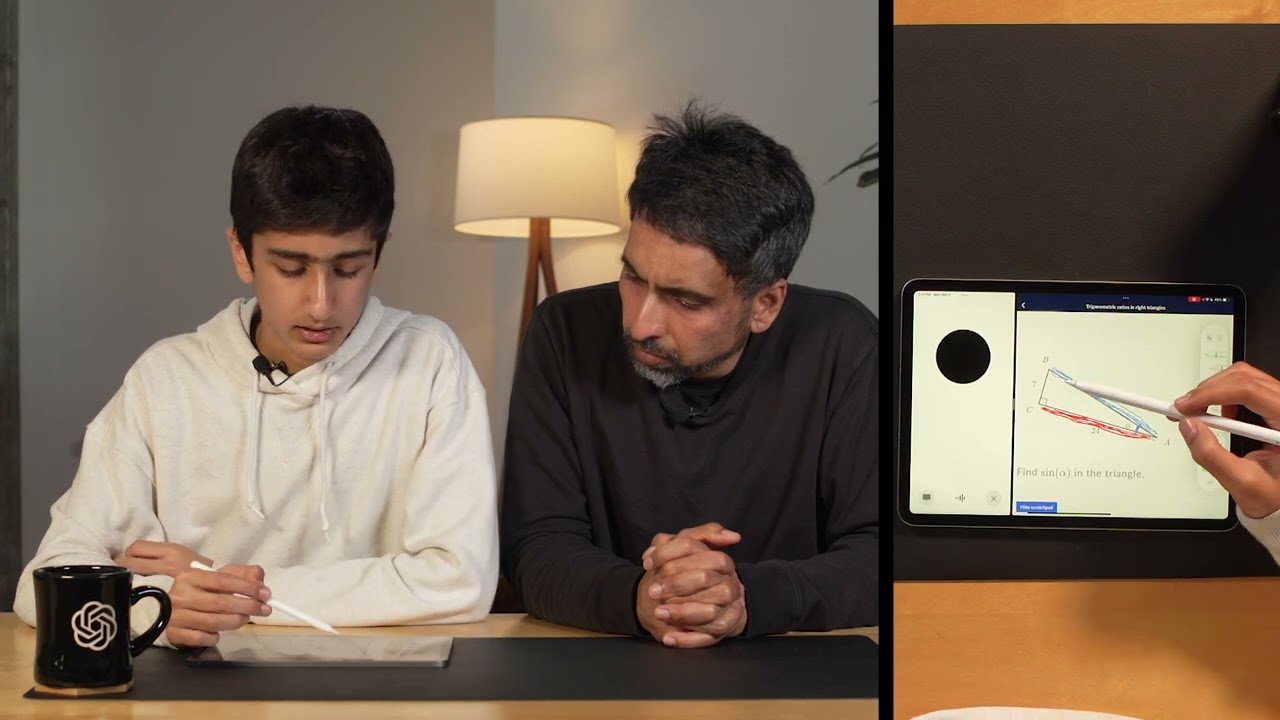
There were rumours that Open AI might launch a Google search competitor this week, but instead it launched GPT-4o (the “o” is for omni). This multi-modal model works with text, vision, and audio as input and output in real-time. I haven’t spent much time with it yet, but the videos of it in use make it appear super user-friendly. This example from the founder of the Khan Academy demonstrating how GPT-4o can be used as a math tutor is powerful. In his fantasic new book Co-Intelligence, Ethan Mollick goes into great detail about the potential of AI as a learning helper.

AI & Platforms

While there are loads of standalone AI consumer apps launching all the time, media platforms continue to roll-out new AI features for advertisers (many of which are updates to AI-enabled tools that have existed for years):

  • Google has added new AI-powered features to Pmax campaigns, such as targeting lost customers.

  • LinkedIn is testing Premium Company Pages which will include tools for creating content and growing followers.

  • Meta now offers AI capabilities for image / ad production, such as swapping out backgrounds.

  • Amazon is using AI to make it easier for sellers to create listings simply by providing a URL.

AI & Work 

Microsoft recently released a very interesting report on AI in the workplace, which highlights the surge in use and need for AI skills. 71% of leaders say they’d rather hire a less experienced candidate with AI skills than a more experienced candidate without. The report explores the types of jobs that will be most affected; some experts are predicting the end of stock photographers and call centres. Even your friendly neighbourhood marketing strategist might be impacted! It’s not all bad news, as the big consultancies advising companies on how to use AI are doing just find thank you very much.

AI & Friendship

Will AI girlfriends actually become a $1B business? It certainly looks like it’s trending that way – which was the biggest ‘aha’ (or rather ‘ew’) moment for me from this report on the top GenAI Consumer Apps. While some academics suggest that these tools can help “lessen feelings of depression, anxiety or even stress”, many lonely teen boys are feeling addicted. Add in the strangeness of a Miss AI contest or an AI girlfriend that is constantly angry with you and it’s not pretty. Hard Fork co-host Kevin Roose recently shared his bizarre experience hanging out with 9 AI friends for a month. Here’s a more optimistic perspective on how technology may help people connect in ‘the loneliness economy’.

AI & Deepfakes

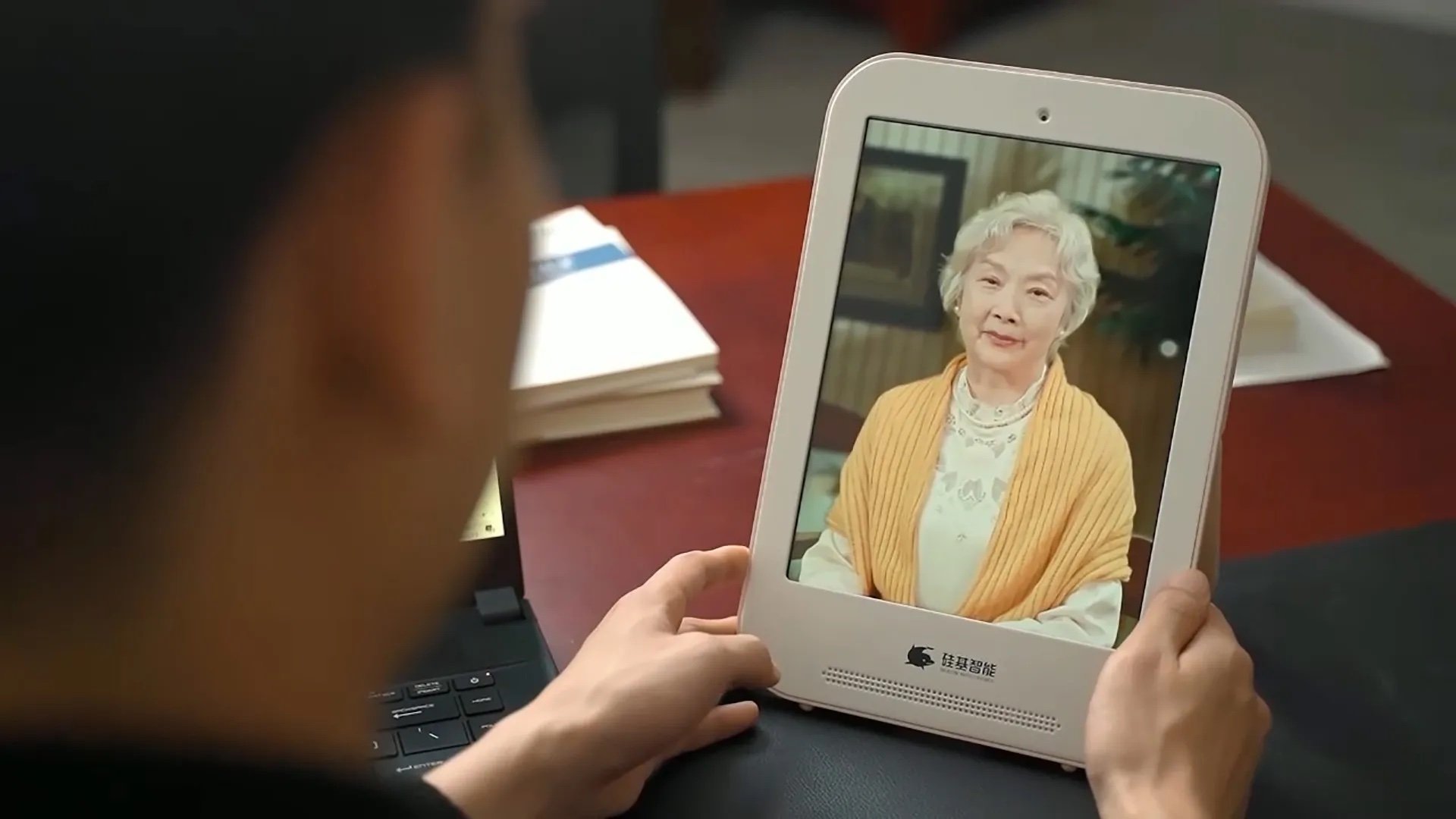
If you’re bored with your AI girlfriend, you can always create a deep fake of a real person. In China, it is becoming popular to build a GenAI avatar of a dead loved one to aid in the grieving process. Fans of Katy Perry and Rihanna created a new version of fan-art by sharing GenAI-created photos of the artists at the Met Gala. And of course, scumbags want in on the AI action, thus a teacher was recently arrested for using AI to deepfake his principal giving a racist rant and another scammer targeted the CEO of WPP.

Fresh Research

  • GenAI & Google: A list of 101 real-world generative AI use cases across industries (creative, data, coding & more).

  • Teen Study (Piper Sandler): Snapshot of US teen brand preferences (TikTok, Nike, Chick-Fil-A FTW!).

  • Global Ad Trends (Warc): Useful report showing the continued growth of social advertising (Meta to overtake linear TV ad revenue this year).

Cool Beans

Digital Trends: 04.15.24

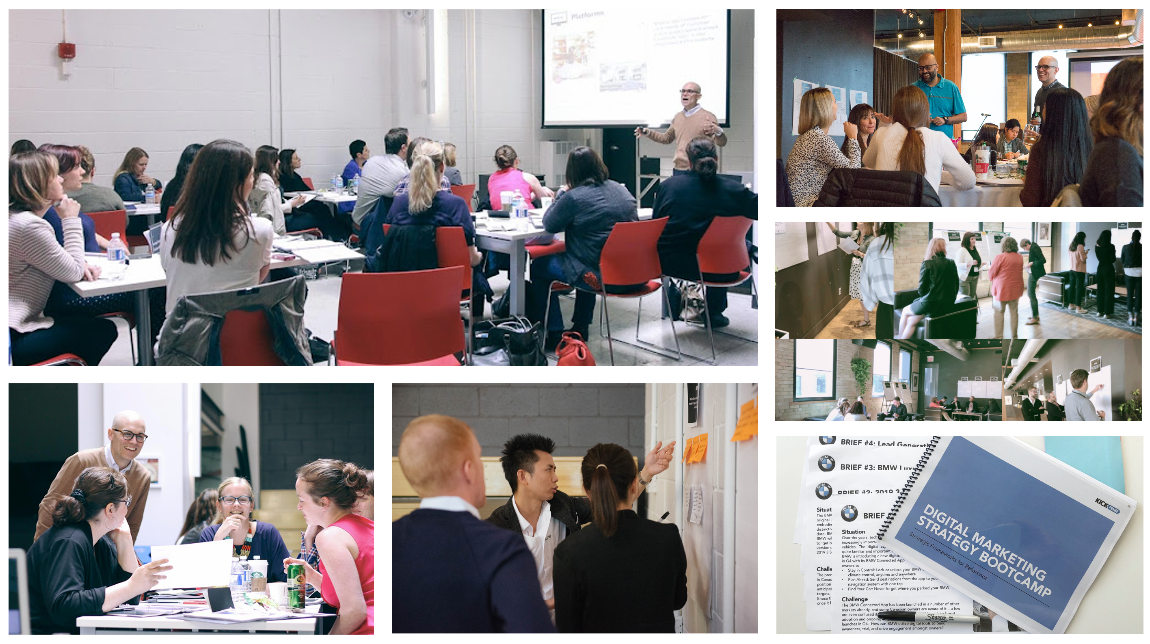
I've had the pleasure of meeting many of you over the years while hosting the Kickframe Digital Marketing Strategy Bootcamp training & networking event. I stopped running the event during COVID, but I'm bringing it back with a new focus on marketing and AI. Here's where you come in.

I'd like to gather feedback on the curriculum and exercises, so I'll be hosting a series of 'beta bootcamp' sessions. These will be run live virtually, likely in three 1-hour sessions over six weeks beginning in May. The training will be designed to provide marketing teams with a shared and current understanding of what AI is and how it affects marketing, including relevant use cases and technologies that can be explored today.
 
If you or someone you know is a marketer and is interested in being a 'guinea pig', please enter your information here, and I will contact you closer to the date with the scoop. Participation costs nothing more than your attendance and honest opinion - the more honest the better!

Exploring AI Opportunities

I’ve been working with a client to explore AI opportunities across several business areas. This has required an approach to explore different workflows with multiple stakeholders - many of whom are unfamiliar with AI. It’s tricky. What I found helpful is the concept from Ethan Mollick that jobs are a bundle of tasks. Some tasks can be easily handled by AI, while others cannot. The idea is to take a top-down approach to decompose jobs into tasks, then into use cases with the greatest potential for AI automation or enrichment. I ran an exploratory workshop recently based on this approach, and we are now analyzing which use cases from the workshop have the potential to be automated, augmented, or transformed using available AI tooling and technology.

AI & Search

How will AI impact search? Google has been testing Search Generative Experiences in several markets (but not yet in Canada), and intends to charge for a new AI-infused search product. Perplexity, a Gen AI search engine, appears to be following in Google’s footsteps by planning to sell advertising. It’s interesting to see the incumbent and new entrant moving closer together. The Verge compares AI chatbots to search engines for various types of searches (chatbots great for ‘buried information’, search great for ‘exploration’) and concludes that AI search engines can’t "kill Google" but will change search.

AI & Social 

Meta recently released Meta AI across Facebook, Instagram, and WhatsApp. It’s early days, but it’s not a great sign that “How to Turn off Meta AI” is already trending. Feels like an awkward fit, especially because the feature provides users with Google results / links which can drive users off the platform. The AI + social trend that fascinates me most? Virtual influencers: Not only can you now virtually chat with an AI version of a real person, those real people are now competing with completely virtual influencers for advertising / sponsorship dollars.

AI & Hardware

Will there be an ‘iPhone for AI’? A bunch of companies and investors are trying to figure out the right sort of hardware and UX to help people use AI in a natural and additive way (including Jony Ive of Apple fame). Early products have not entirely impressed tech reviewers (see “The Worst Product I’ve Ever Reviewed” on the Humane AI Pin). Iyo is a start-up that is designing hardware for your ears, whereas the Apple Vision Pro focuses on your eyes. Maybe using AI on your phone isn’t so bad?

AI & Advertising

Dove made a splash last week with its smart and emotional pledge to not use AI in its advertising as part of its Self-Esteem Project. Some other brands have followed suit, banning the use of AI to depict human features in their advertising. While I appreciate the move in this context (not setting unrealistic beauty expectations), I doubt it will deter advertisers and agencies from experimenting with AI for production work (resizing, reformatting, translating, personalizing….basically all of the '-ings'). Plus some advertising is just too well suited to not use AI (see Spotify cloning the voices of podcast hosts for audio ads). Piotr Bombol has put together a useful overview of AI tools for advertising.

Cool Beans

  • Dumb & Boring Phones: Turns out ‘digital minimalism’ is definitely a thing, and so is the business opportunity around selling ‘dumb’ phones (new and refurbished). Heineken is launching their own.

  • Spotify AI Playlist: Spotify has released a beta version of a feature (again, not in Canada!) that generates a playlist based on text-prompts. Now I can just ask Spotify to create the perfect late-night email newsletter editing mix.

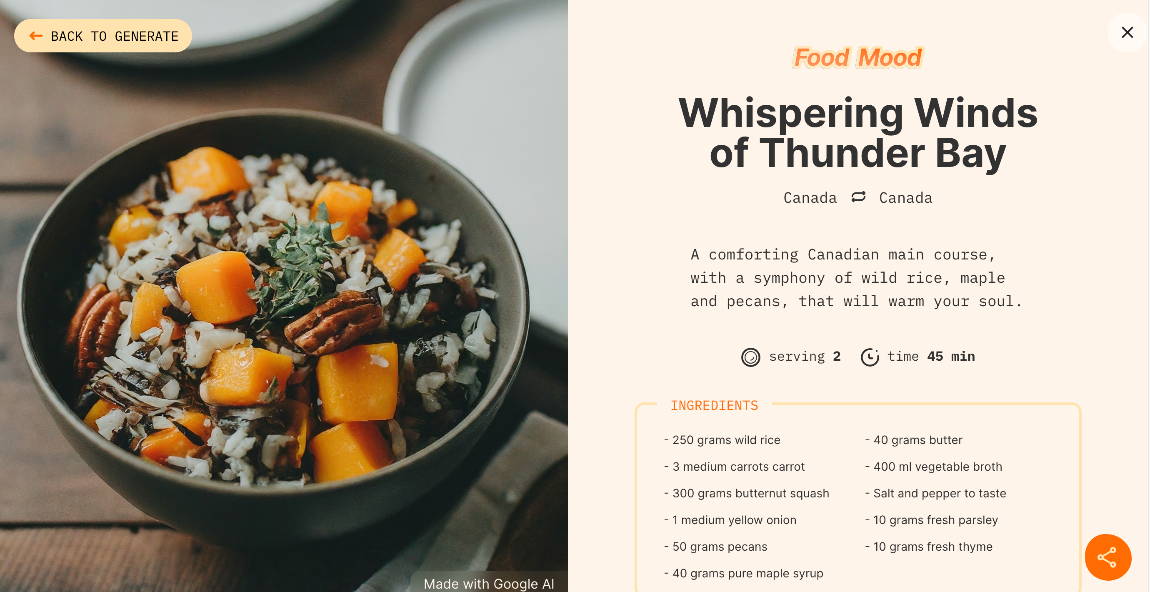
  • Google Arts & Culture: I haven’t checkout out the experiments at Google Arts & Culture in a while, and they’re so good. This one recommends a recipe based on combining two national cuisines into one. I tried to trick it by selecting Canada combined with Canada, but the joke's on me - this looks tasty!

Digital Trends: 04.01.24

This is not intended to be an A.I. newsletter, but it’s starting to feel like one. I regularly cover topics and links that are (a) in the news and (b) interest me, and A.I. just happens to be in the middle of that Venn diagram right now. This edition is inspired by Ethan Mollick’s appearance on the Ezra Klein podcast yesterday. He discusses how we should be experimenting with A.I. in our day-to-day work. I’m committed to trying this as a way to find efficiencies in my personal workflows, and to gain a better understanding of the technology. The areas I’m exploring, as well as the tools I’m using are listed below. If you have any suggestions, please share and I’ll include them in my next newsletter. (Note: the examples shown were inspired by the passing of SCTV legend Joe Flaherty).

Researching Stuff

Google is still the tool I use most for day-to-day research, despite the fact that search traffic is predicted to fall 25% by 2026 due to A.I. tools. I use ChatGPT-4 to supplement this research, especially when I’m familiar with the subject and can verify results. I’ve signed up for Liner which has a useful feature for summarizing webpages and PDFs (maybe I can use it for this newsletter?) Phind is another research tool with a more chat-like interface.

Summarizing Stuff

It is basically impossible to keep up with all of the podcasts, newsletters, and Substacks I’ve subscribed to. My current workflow entails scrolling and skimming across 40+ open Chrome tabs while listening to podcasts and videos at 1.5X. Not great. I’ve seen a few tools that summarize YouTube videos (Eightify), and convert articles you never get around to reading into audio summaries (Recast). I’ve downloaded a service called Tailor, which summarizes the news based on multiple sources.

Writing Stuff

I spoke with a senior marketing client yesterday and she mentioned that her in-house creative team has been hesitant to use A.I. to assist with copywriting. I get it, given that A.I. has led to a decrease in writing jobs. And as someone who writes regularly, it does feel a bit like cheating – like I’m not only outsourcing the writing, but also the thinking. Well, no more! I’m trying out QuillBot – an AI-powered paraphrasing tool. And by “trying out”, I mean that it has already smoothed out some rough edges in this newsletter.

Meeting & Notetaking

I’ve been part of many virtual meetings where an attendee pops up along with their virtual note-taker. At first it was a little disconcerting, so I do like the suggestion of providing attendees the option of a bot-free meeting. That being said, perhaps I can be more present and engaged in meetings if I am confident that an A.I. service is capturing all of the key points. While Zoom, Teams, and Google Meet have their own features, I’m going to give Otter.ai a try (Read and Fathom are a few other standalone apps). We’ll see how well it captures notes, including summaries and action items, and whether or not it bothers anyone (including me).

Making Presentations

I’ve come across a few A.I. tools intended to help create presentations that are technically impressive but practically useless (for now). I have a Kickframe template / design system that I use for my presentations, but occasionally find myself wasting an embarrassing amount of time trying to find the perfect image for a background or transition slide. I’ve been using DALL·E2 to create images with some success, and as of this week you can start editing the images it produces. I plan to use Canva’s A.I. features to see if they can make designing my next presentation run more smoothly.

Business Admin

Ah, administration. Kickframe Inc is a simple operation but when it comes to admin – it’s repetitive, I’m terrible at it, and I don’t enjoy it at all…. which makes it a perfect candidate for A.I. automation. I am on the waiting list for Lutra, which looks promising. They provide a number of use cases that could potentially save me time, such as researching a person or company via LinkedIn and organizing my expenses. I’ll give it a shot.

Fresh Research

  • 2024 Digital Media Trends (Deloitte): Great insights into how general media consumption is changing and how it differs across age groups. 60% of Gen Z watch UGC because they don’t have to spend time searching for something to watch vs. 15% for Boomers.

  • Loud & Clear (Spotify): Annual music econometrics report from Spotify that shows how streaming revenue is being distributed and how listeners are using the platform.

  • 2024 Edelman Trust Barometer (Tech Sector): Interesting focus on trust and the tech sector – how do will A.I. continue to advance if the level of trust that people have in A.I. companies is steadily declining?

Cool Beans

Digital Trends: 03.15.24

So, how will AI impact my job? It’s the question many are noodling these days. Some marketers and agency folks must have lost some sleep after reading Sam Altman’s prediction that AI will replace 95% of creative marketing work. Bloombury analyzed 5M freelance job listings and found that roles for writers and translators were eliminated most since the release of ChatGPT. To top it all off, Scott Galloway compared AI to Ozempic as a way for CEOs to stop their craving for hiring people.
 
Other marketers and businesses are opening their arms to AI, including Zoe Scaman who generously shared her early learnings from incorporating tools into her strategy work. Roger Martin has a great post on how AI is unbeatable at modelling an average way of doing something, so the real opportunity for an individual is to find an exceptional way of doing something to create value. From an organizational perspective, Ethan Mollick shares a few useful ways / questions to explore AI opportunities that are perfect for a workshop activity: What useful thing you do is no longer valuable? (Opportunities for Delegation) What impossible thing can you do now? (Opportunities for Innovation).

AI & Prompts

The AI tool that I use most is GPT-4, which has required me to figure out how to use prompts effectively (a work in progress, to be sure). A few companies are offering Prompt Engineers salaries of up to $335K, however some experts explain that the best resource for optimizing prompts for AI is ironically AI (now AI is coming for our AI jobs!) What else works for improving prompts? Well it turns out asking AI to Act Like Star Trek might help, as well as offering a tip for a good response. The most useful guide that I've found is actually from OpenAI, and Navreo recently posted a list of 100 ChatGPT prompts for Marketing Agencies which I’ve bookmarked.

AI & Tools

Most of my clients have been using AI tools for creative production work for a while now, but as a strategy consultant / trainer I’m keen on finding tools that fit with my work. For now, I use AI for ‘open’ work where I am gathering input and not ‘closed’ work where I’m making recommendations. It’s interesting to see new (paid) tools emerging that are designed for marketing planner / strategist-types including:

One (free) tool that is interesting to monkey around with is Globe Explorer (h/t Neil Perkin) which creates instant taxonomies relating to a specific topic. It’s a surprisingly useful format to learn about – or visually scan – a topic, and dig further.

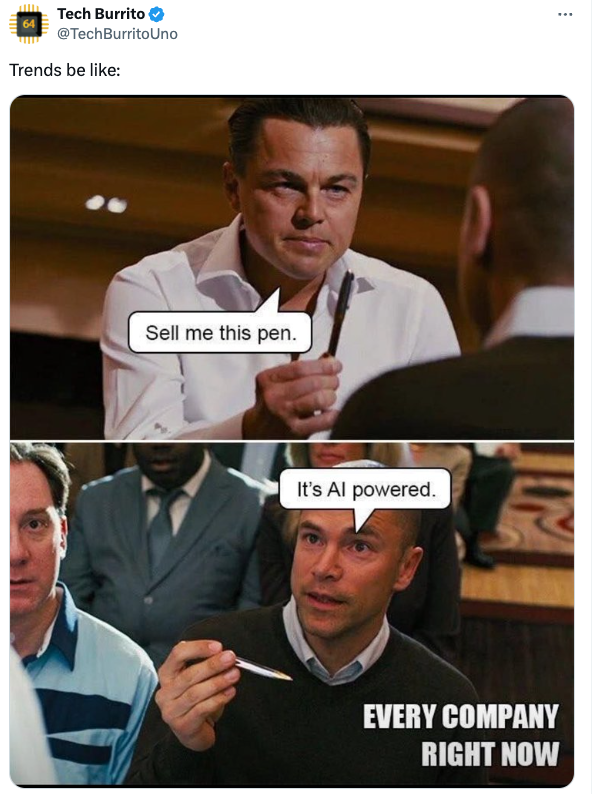
It’s also interesting to check in on the GPT store from OpenAI for new tools. One new, popular tool is ‘SellMeThisPen’ which creates second-hand marketplace listings based on pictures uploaded by users. Just think about all of these simple, repetitive tasks that people and businesses face that can be delegated to a custom GPT.
 
Adobe also recently launched a beta version of an AI Assistant for Acrobat that allows users to essentially query a document. It feels like everyone will start using such agents to ‘search this for me' or 'summarize this for me.’ The flip-side opportunity for such agents is to provide one based on your own proprietary documentation. The San Francisco Chronicle just launched a ‘Chowbot’ based on its database of local restaurant reviews.

AI & Oddities

Ever wanted to….
….speak to a chatbot of deceased Velvet Underground co-founder Lou Reed? I got you.
create an app without coding? Learn from someone who built an app that points to the centre of the galaxy using only ChatGPT.
instantly create a new song? Now you can by just entering a few text prompts into Suno AI. Do yourself a favour and crank the volume for The Kickframe Hustle.

Digital Trends: 03.01.24

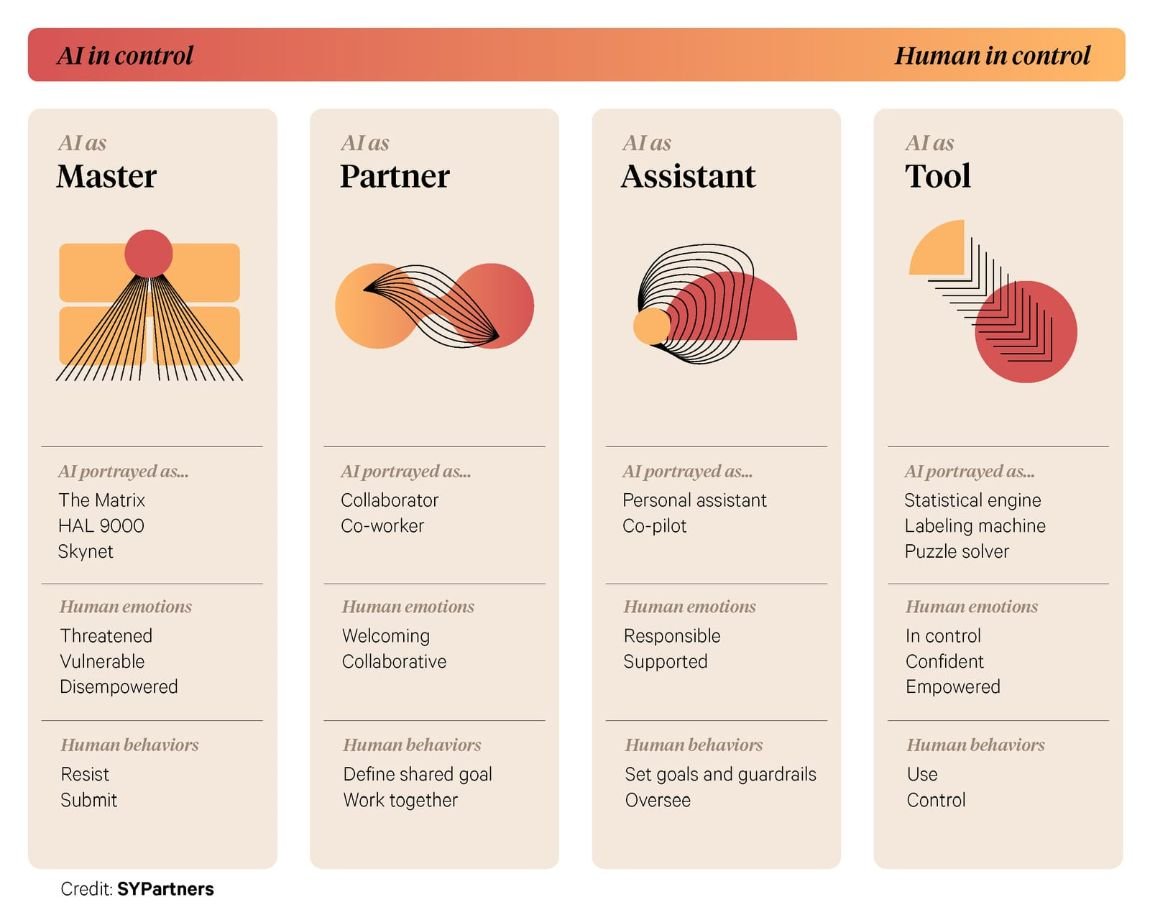
I’m old enough to remember trying to describe the internet to those who hadn’t seen or used it before. Looking back, the metaphors that I used often made things more confusing (WTF is an information superhighway?) The same challenge exists now with AI. This piece on how metaphors can shape our use of AI is interesting – do we use AI the same way if we refer to it as a 'partner' or an 'assistant'? This post also has a helpful list of considerations for how we might describe (and therefore mentally frame) AI: is it a ‘tool’ or a ‘being’? IBM recently posted a resource that clearly delineates between AI concepts that are often used interchangeably (e.g., deep learning vs. machine learning). If you’re struggling to understand AI, know that you’re not alone “AI is a suitcase word. It’s incredibly complex, ever-changing, and there is still a lot we don’t know….You’re not “not getting it”.

AI & Video

OpenAI recently teased its new text-to-video model called Sora that generates videos up to a minute long that appear incredibly realistic. Sam Altman (as a highly effective PR tactic) invited people to suggest prompts via Twitter / X and shared the Sora results - I’m sure you saw these flooding your feeds. It’s mind-boggling to see such vivid outputs – which further fuel concerns around deepfakes and IP. If you’re interested in the implications of this new technology, I invite you to enter the rabbit hold that is Reddit and you will not be disappointed (fav comment: “one day you can just write to Sora -> "Make a Hitchcock film similar to Psycho but with penguins and have it last for an hour. You will literally be the creator of your own entertainment”). From a marketing perspective, I know a few agencies that have been using these types of tools for storyboarding – it will be interesting to see how Sora impacts production work.

AI & Meetings

A few weeks ago, I jumped on a Zoom with someone I hadn’t met yet. They had their camera off, recording on, and an AI Notetaking app ‘attending’. I felt like I unknowingly stepped into a virtual recording studio. That’s why I love the suggestion made in this post about providing disclaimers in meeting invitations – attendees can request a “bot-free” meeting. We're all going to be using more of these types of tools, particularly for internal collaboration - the benefits are clear and tangible. Slack has announced the release of Slack AI that recaps channels and summarizes threads. Tools like Otter, Fathom, and Read can be used to capture and summarize notes – and can even let you know if you’re talking too much.

AI & Marketing

Marketers are starting to experiment with different applications of AI for new advertising campaigns and digital services. A few that caught my eye:

  • Ikea: Launched an AI-assistant in the GPT store that helps customers plan product purchases.

  • Rembrand: Influencers / content creators can use a new AI tool to insert product placements onto walls in their TikTok and YouTube videos.

  • GuacAImole: A set of AI tools from Avocados from Mexico to help you level up your guacamole game.

  • Trivago: Since the old Trivago Guy hit a rough patch, he’s been replaced by a new actor voiced by AI – translated into 20 languages.

  • BodyArmour: Created a Superbowl ad that pokes fun at shitty AI-generated video called Field of Fake.

It’s easy to dunk on these early initiatives like a nacho chip into a fresh bowl of AI-powered guacamole, but these brand teams are learning by doing and gaining valuable experience early in the game.

Vision Pro & Culture

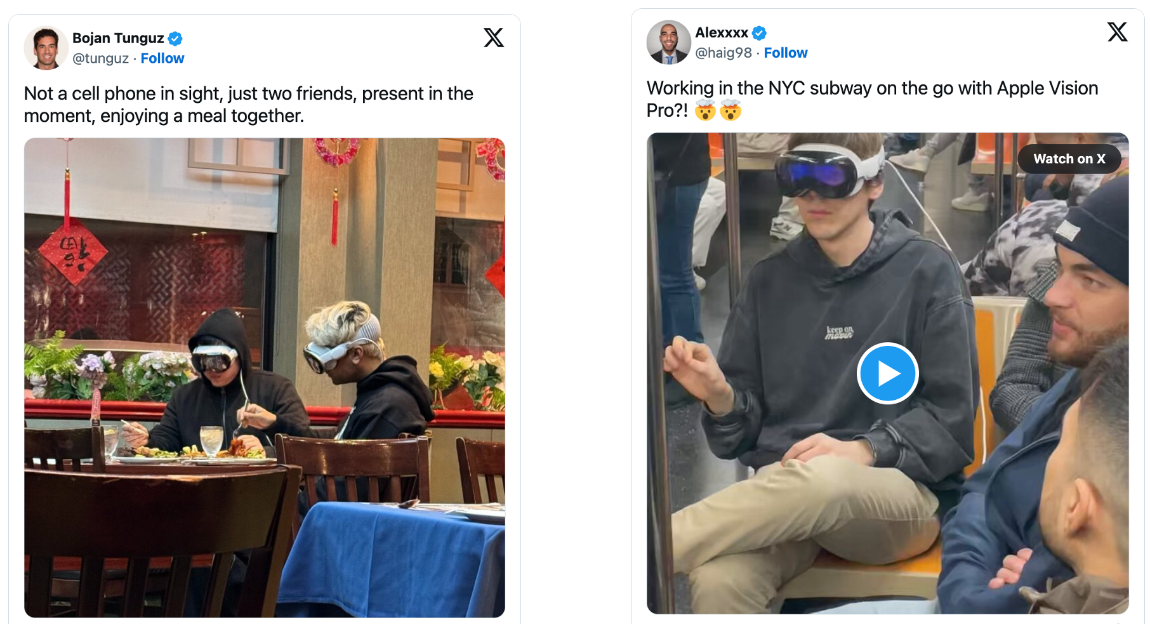
I haven’t tried Apple’s Vision Pro yet, but I’m keen. The early reviews from a technical perspective have been quite positive, however some owners are returning their devices due to headaches and lack of use. It will be interesting to see how these devices fit within broader culture, as everyone has been so quick to shame users for wearing their devices in public. One interesting use case is shopping (or at least browsing) – fun to see how these brands have created mixed-reality shopping experiences. Another use case is in-flight entertainment, which a Maldivian airline announced it will be offering. I’m on an early flight tomorrow morning, and I better not be sitting next to someone pinching and zooming for 4 hours. I’d rather sit next to a mime.

Digital Trends: 02.01.24

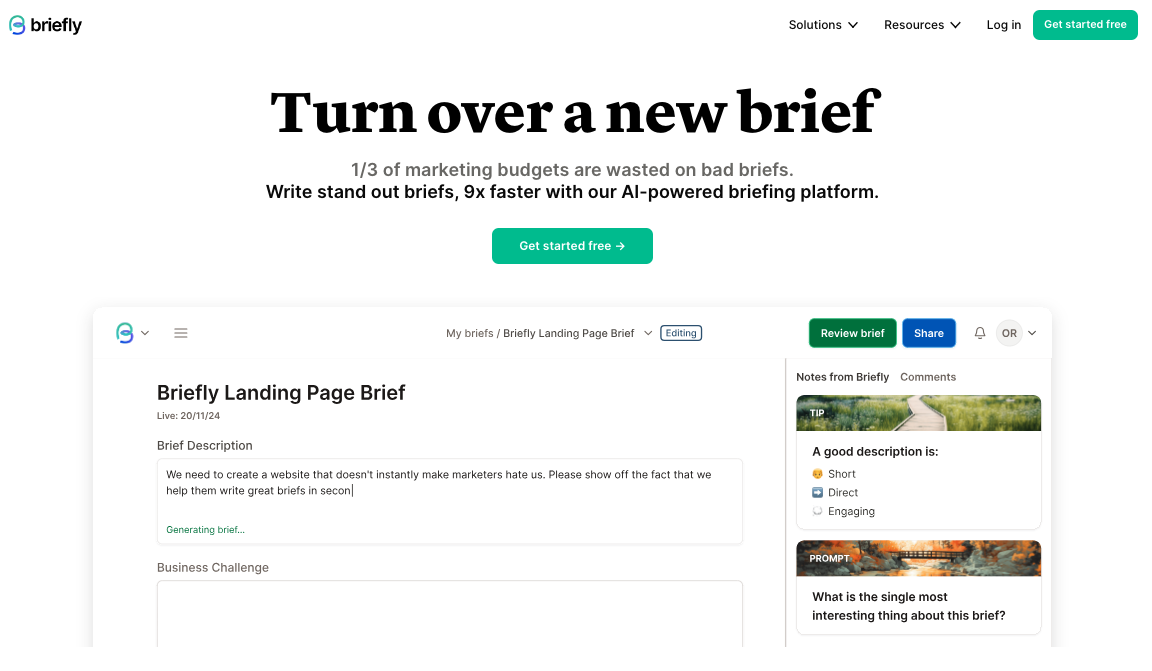
Most of the popular use cases for generative AI in marketing today involve producing creative assets efficiently at scale. But how can AI help with marketing planning? Tom Roach recently shared how his agency is using AI today, including examples of using a model for customer segmentation. He also highlights a new tool called Briefly that promises to help create marketing briefs using AI (and you thought copywriters were the only ones worried about their agency jobs?!) - I’m on the waiting list.

Microsoft recently released the New Future of Work Report that focuses on the impact of AI on different modes of work. One concept that is relevant to marketing planning is their reframing of LLM tools as ‘‘provocateurs” that promote critical thinking vs. “co-pilots” for basic, repetitive tasks (see page 9). A “provocateur” AI system (or use of system) would challenge assumptions and offer counterarguments - potentially helpful for upstream strategic planning. 

I continue to monkey around with different AI tools to try and better understand the technology and its potential applications. One AI use case that is relevant for research and planning is classification: organizing data for better understanding. I came across a cool GPT called Diagrams: Show Me that classifies and visualizes information into diagrams, like mind-maps. It’s a simple example of how AI might help a planner to organize, present, and see new patterns in a data set. For example, since yesterday was the NBA trade deadline, and now there is no one left from my beloved 2019 NBA Champion Toronto Raptors on the team (no offence Chris Boucher!) I tried a few Raptor-focused prompts using the tool. It was interesting to see how the model interpreted more qualitative categories like, well, "organize by quality".

It will be interesting to see if / how these bespoke GPTs and AI tools gain traction. It feels like most of these will become features integrated within larger products and platforms. Below are a few new AI features launched recently by the big guys:

  • Amazon Shopping Companion: Amazon has launched a new chatbot called Rufus that will answer questions about products, make comparisons, provide suggestions.

  • Google Maps AI: In a similar vein, Google is rolling out an AI-powered feature within maps that provides users with recommendations based largely on input from its 300 million contributors.

  • Gemini & Google Ads: Google will use its new AI model (Gemini) to help people to create and manage Google Ad campaigns using conversational prompts, which could make Google Ads more accessible to small businesses and DIY marketers.

Fresh Research & Reports

Shaping Thinking

Last year, I put together a quasi-periodic table of visual elements that can be used to help bring more clarity to presentations. Each box includes what I want to communicate (the client’s question that I want to answer) and a visual element to help me do so. As a trainer and consultant, I find that incorporating the right visuals into a presentation or workshop can help me explain things more clearly, structure sessions more effectively, direct the attention of participants, and ultimately influence outputs. If you’re looking for frameworks top help shape thinking, check out the Kickframe Toolbox with over 55 editable templates to download :-)

Digital Trends: 01.15.24

I’m working on a new training webinar focused on AI and marketing. And by working on it, I mean I haven’t started it yet but feel so stressed about telling you that I now need to do it #productivityhack. Seriously, if you’re a marketer and have a specific question about AI please reply back and let me know what’s on your mind. It’s tricky to wrap your arms around this topic, so knowing your interests will help me focus. More to come.

General, Generative AI Weirdness

They’re here. After years of warnings about deepfakes, they’re now all over the place and the Canadian government is trying to take steps to combat them for the upcoming elections – even recommending that people watch debates live. From an advertising perspective, Meta is now requiring those running political ads to disclose if ads have been digitally altered, which I doubt will make much of a difference.
 
If you’re skeptical about deepfakes, try HeyGen and see how powerful and accessible these tools are. I’m not sure about the ethics of deepfaking yourself, but I gave it a go. Here’s my avatar reciting the climax of a classic children’s story.

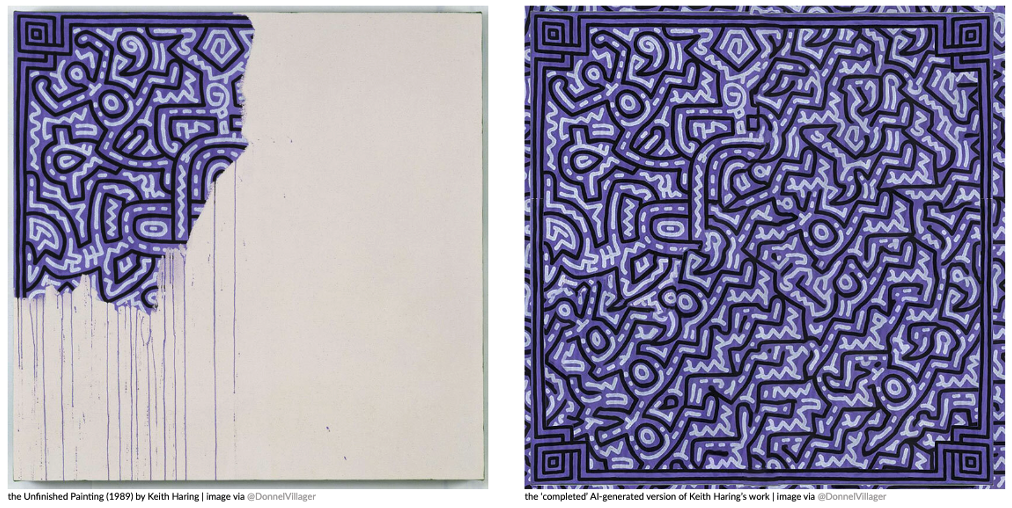
Gen AI continues to be used to create art based on the works of existing artists. Dudesy recently released a bizarre AI-generated comedy special impersonating George Carlin (‘I’m Glad I’m Dead’) much to the dismay of his daughter. AI was also used to ‘complete’ Keith Haring’s Unfinished Painting raising ethical and intellectual property concerns (Note: I went to the Keith Haring AGO exhibit with my non-AI generated daughter and it was amazing).

I’ve also been tinkering around with the new ChatGPT Store – OpenAI’s equivalent of Apples’ App store. Currently only users with a paid tier can use and create GPTs. The most popular GPTs seem to be for research and graphic design. Another popular category is apparently AI Girlfriends which have potentially disturbing implications. My Stratbot GPT only recommends marketing planning frameworks – sorry fellas!
 
If you’re thinking of building your own GPT, this resource from the Nielsen Norman Group has a really useful breakdown of different types of chatbot experiences.

Cool Beans

  • Peloton & TikTok: Peloton shares surge 15% as it partners with TikTok to offer short-form fitness classes. I’ll invest in any stock that gets me off a stationary bike faster.

  • Circle to Search: Cool, smart UX enhancement from Google – allows users to use their finger to circle something on their phone and have Google look up information about it without switching apps.

  • Apple Vision Pro: The Apple headset is launching in February and experts are grappling with the most interesting question – how does it fit into the real world? For a more narrow use case, check out these Smart Binoculars that identify the birds you’re looking at.

  • Pre-Internet Times: I don’t know what's funnier – that young people are interested in what life was like before the Internet, or the captions in this article describing earnestly how pay phones and Yellow Pages worked.

Evolution of the Web

Speaking of nostalgia, remember when the web was weird? Early users visited many different websites and regularly stumbled across bizarre blogs and niche communities – without guidance from an algorithm. Websites also looked very different, as everyone was experimenting with the form and not uniformly optimizing for Google. People could more freely express themselves in new semi-public ways.
 
It seems like some folks are longing for these times, and curating resources to help people serendipitously wander the web - like Youtune that shows original songs posted on Youtube with relatively few views, and Scrubstrack that takes you to random Substack newsletters (see more ways to escape the algorithm here).

Fresh Reports

  • 2024 Creative Playbook (Recess): A super useful / fun collection of tips, tools, and resources collected from 30 different creatives and strategists. I’ve already bookmarked a few of the free online tools included in here.

  • B2B Sales Gap Report (Publicis Sapient): If you’re a B2B marketer looking to make your case for more funding for digital, this report is your friend. Survey results show the importance of a strong website for corporate buyers.

  • 2024 State of Email Newsletter (beehiiv): Recent data on email newsletters that is helpful for benchmarking metrics (and setting expectations).

  • 2024 Social Calendar (TikTok): If you’re still putting your social media / content calendar together for the year, this report from TikTok highlighting different cultural moments throughout the year is a handy input.

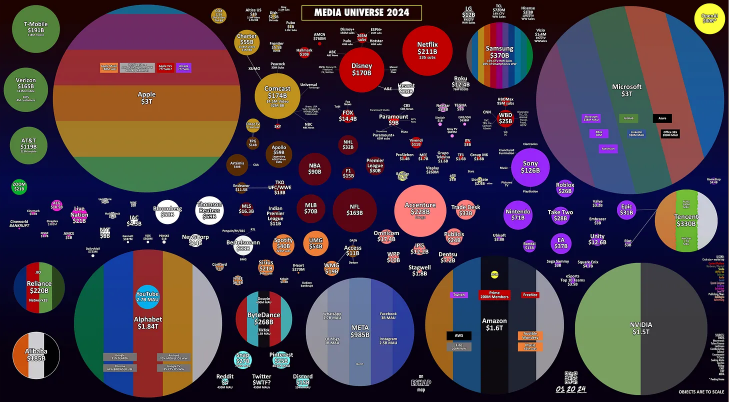
  • Media Universe Map (Evan Shapiro): An amazing chart that illustrates the size / value of different media companies and properties. Really puts the scale of the large tech companies (Apple, Alphabet, Meta, Amazon, Microsoft) in perspective.

Digital Trends: 01.01.24

I hope you had a wonderful holiday and are off to a great start to 2024. I had a fantastic break (thanks for asking!) but now my brain feels like an old hard drive in the middle of a cold reboot. Please excuse any typos. My last newsletter of 2023 included a list of the trend decks I found most useful. For this newsletter, I’ve included a few more – some looking forward, and others looking back.

Looking Forward

I love this use case for ChatGPT – uploading a bunch of trend decks and prompting ChatGPT to synthesize the predictions. Here are a few other trends I found interesting, synthesized the old-fashioned way:

Looking BackwarD

Google, Pinterest, TikTok, Instagram, and YouTube all released reports on the most popular searches and content on their platforms in 2023. Here are a few more ‘in-the-weeds’ reports on how we spent our time online last year:

  • iPhone Apps: The most popular iPhone apps in the U.S. were a bit of a surprise to me: Top Free =Temu (Retail), Top Paid Paid=Shadowrocket (VPN), Top free Game: MONOPOLY GO! Interesting to see how the lists differ between iPhone (more utilities) and iPad (more streaming).

  • Wikipedia Pages: While the most read page on the platform was predictably ChatGPT, the 3rd was 2023 Cricket World Cup, and the 4th was Indian Premier League. A good reminder that it’s a global platform.

  • Netflix Viewing: Netflix responded to pressure to be more transparent about viewership and published its first Engagement Report. Chart toppers include The Night Agent, Ginny & Georgia, and a bunch of others I haven’t watched or heard of.

  • Best Memes: This is a fun scroll through 2023 via the most popular memes that graced our social feeds. The smirk / shrug Kevin James meme still gets me.

Useful Reads

  • The End of the ‘Digital Agency’?: WSJ article that explores how generalist digital agencies are struggling in the face of automation, in-house models, and specialized freelancers. Should agencies and marketers drop the whole ‘digital’ term? I rambled on about this back in 2019.

  • Martech for 2024: No one writes about martech in a more clear or useful way than Scott Brinker. His new report is a great resource for any “non-techie” marketer trying to better understand recent trends in marketing technology.

  • Reclaim Your Brain: Timely initiative from the Guardian on helping people to reduce excessive screen time. I just signed up for this email-based coaching program as this is on my New Year Resolution list.

  • The School of Good Services: A fantastic presentation by Lou Downe on the importance of great service design. I love her framing of bad services as ‘nouns’ and good services as ‘verbs’; “when we think about services as verbs, they get bigger”.