Digital Trends: 12.15.23

It’s that time of the year when my inbox is filled with meetings rescheduled to January, Amazon gift order confirmations, and many, many marketing trend emails. So, in the spirit of the season, I have combed through these various trends / predictions and curated the resources that I found most useful - consider these your 12 Trend Decks of Christmas.

1. Year in Search (Google): A time capsule of what people searched in Canada and across the globe over the past year. Great for a quick snapshot of the zeitgeist of 2023, and how Canadian search interest differed from the rest of the world. For example, wau more Connor Bedard, Women’s World Cup and Quordle. Bonus trends from Google: A Year on YouTube.
 
2. Pinterest Predicts: Identifies trends based on the number of searches for different items and topics on Pinterest. Great for tracking how interest is surging for different consumer products and design trends. Highlight: Um...Jellyfish-inspired searches - Jellyfish haircut +615%, Jellyfish hat +220%, Jellyfish umbrella +195%.

3. What’s Next Trend Report (TikTok): Reviews trends and what’s driving engagement on the platform, as well as the benefits of marketing on TikTok. Great for getting up to speed on popular creators and creative formats. Highlight: TikTok is positioning itself against Google as a place to ‘discover’ vs. ‘search’; "44% of TikTok users came to the platform with a specific outcome in mind and ended up discovering something they didn’t intend to."

4. Think Forward (We Are Social): Explores very current cultural trends and the implications for social media marketing. Great for catching up on the people, topics, and hashtags driving social engagement today. Highlight: the #delulu movement (celebrating being intentionally delusional!) has over 4 billion views.

5. Global Consumer Trends (Mintel): Synthesizes Mintel data from around the world to identify five macro trends influencing consumer behaviour, along with what marketers can do about it. Great input for big picture brand planning. Highlight: ‘Relationship Renaissance’ – more people seeking new forms of real-life intimacy for physical and mental health.
 
6. Most Contagious Report: Reviews the events, advertising trends, and award-winning campaigns that captured the industry’s attention in 2023. Great for marketers to refresh themselves on the most successful (or rather contagious) creative campaigns for the year. Highlight: Research shows that putting ads on physical objects that don’t usually carry marketing messages can be more effective than traditional media.

7. Tech Trends 2024 (Deloitte): Comprehensive review of technology trends, including how Deloitte’s trend predictions have evolved over the last 10 years in the areas of interaction, information, and computation. Great for business leaders considering their technology roadmaps. Highlight: Eye-opening section on synthetic media, and how it is getting easier for bad actors to use AI tools to impersonate and deceive. Scary stuff.

8. Trends 2024 (Mindshare): Reviews 5 current trends impacting the media landscape, as well as the performance of Mindshare’s last 10 years of trend predictions. Great for marketers looking for a perspective on how digital media has changed, and what’s coming next. Highlight: Kudos to Mindshare for including their ‘missed’ trends – tech that didn’t catch on (e.g., iBeacons, Snapcash, and Smart Ink?!)

9. 2024 Trend Report (Trend Hunter): Very detailed report (I love this one) including specific trends with real-world examples, with smart workshop questions for readers to ponder. Great for anyone looking for some inspiration or fuel for an innovation-focused brainstorm: Highlight: Too many to choose from – give it a skim and I promise you’ll come away with a new product idea.
 
10. Reckoning with Reality (Foresight Factory): Reviews four macro trends (Humanity, Health, Sustainability, Belonging) and how they are playing out in the world today, including where they conflict (e.g., technology vs. ecology). Great as an input for macro-framing of a consumer market. Highlight: the business opportunity around serving people looking for more human connections (see above 'Relationship Renaissance') - 22% of US consumers believe the biggest drawback of AI is loss of human interaction.
 
11. AI, and everything else (Ben Evans): Annual presentation on macro strategic trends in the tech industry, this year with a focus on AI. Great for understanding and framing AI in smart, non-technical terms as we move from ‘this is cool!’ to ‘is this useful?’ Highlight: Reframing ChatGPT use more accurately from “answer to this question” to “what would an answer to this look like?”
 
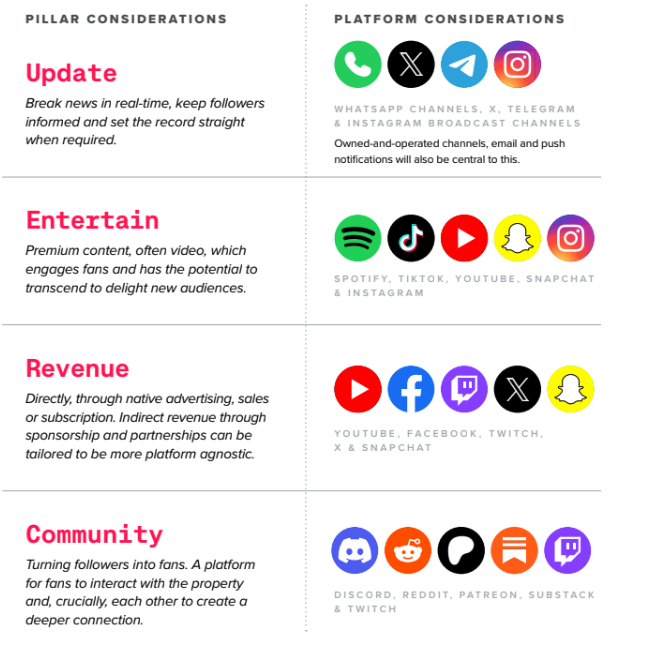
12. Digital Trends 2024 (IMG): Review of digital marketing trends through the lens of sports and entertainment. Great for folks working in this space, as well as marketers investing in content and sponsorships. Highlight: Smart categorization of ‘not-so-social’ media platforms and how they best support different business and communication goals.
This will be my last newsletter of the year, so I’d like to thank all of you who have been reading, sharing, and replying back to say kind things along the way. I appreciate you and your support. Have a wonderful holiday.
 
Sincerely,
Tim
Digital Trends: 12.01.23

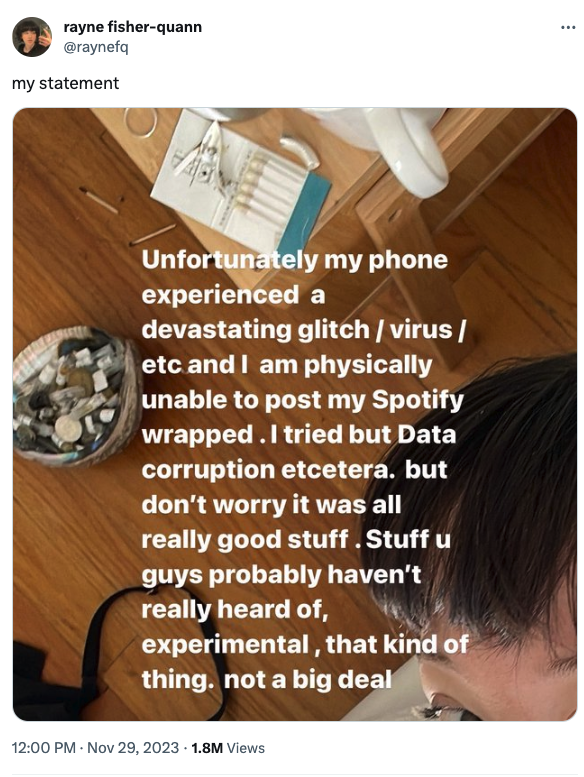
This newsletter is a few days late as I’ve been reflecting on my Spotify Wrapped results and what they say about me. It turns out, I’m not the only one that’s feeling embarrassment or shame. Everyone still listens to The Strokes, right? RIGHT?! I’m not going dispute my results like others. Listen to my Top 100 and judge for yourself. I’m at peace with any resulting unsubscribes.

Experimenting with AI

A few weeks ago, I asked my friend Michael Morreale for some advice on new generative AI tools. Michael is a man of many talents, one of which is producing great video content using these new technologies. He pointed me to https://elevenlabs.io/ which saved me hours creating placeholder voice content for a self-directed training course I’m designing. I asked Michael for a few more tips for my newsletter subscribers, and he has generously offered a few gems:
 
Like many marketers, I've been experimenting with AI to streamline my workflows. As a video shooter and editor, I enjoy getting to exercise the technical and creative sides of my brain at the same time. But inevitable mundane and repetitive tasks can take me out of it. My search for AI helpers has led me to a few gems that are truly useful, time-saving, and occasionally, a tad creepy:

You can follow / connect with Michael for more AI-infused video production tips and tools on LinkedIn.
 
Since I unleashed Stratbot into the world, I’ve been following other folks making their own GPTs. Daniel Robinson has created a few cool ones – this GPT will provide you with ice breakers based on someone’s LinkedIn profile. BrXnd has also created a tool to produce your own brand Manifesto - fasten your seatbelts for the official Kickframe manifesto below.

Cool Beans

Digital Trends

Fresh Reports

  • Social Media & News (Pew): Related to TikTok, half of U.S. adults get their news from social media, and the percentage of TikTok users who regularly get their news from the platform is up to 43% (vs. 22% in 2020).

  • Winning Formulas for E-Commerce Growth (BCG): Survey on global ecommerce trends and how growth is reverting to pre-pandemic levels. The report also includes a useful model to evaluate your e-commerce maturity.

  • State of Digital Marketing 2023 (Luma): Macro-view of how digital media and marketing technology are changing. I like this framing of how commerce is both a channel and a layer for other channels.

Digital Trends: 11.15.23

OpenAI recently held their first developer conference, complete with a Steve Jobs-esque keynote from Sam Altman. Several changes and features were announced – by far the most interesting being the ability for users to create their own custom GPTs without any code. This capability is now available to ChatGPT Enterprise and Plus users, so I thought I’d give it a try.
 
I created a ChatGPT called Stratbot (strict copyright protection pending) based on The Kickframe Toolbox. I uploaded a PDF version of the website content and a CSV file with URL links to each framework. I then used a set of prompts (and many revisions) to configure the tool, instructing it what to do and how to behave. You can now ask Stratbot to recommend a framework for a specific marketing planning activity. Stratbot will then provide you with a recommended framework (from the Kickframe Toolbox), along with a description and link to download an editable version. If you have ChatGPT Plus, you can try it here. It works.

When I was creating the KickframeToolbox, I explored building a similar feature based on a complicated decision tree, but was deterred by the time and cost required (and a strong hunch that the chatbot would turn out to be perfectly terrible to use). Now I can create one that is 10X better in under an hour.
 

AI & Work

So, what does this all mean for marketers?

But don’t worry marketers, if the robots force us out of work – LinkedIn has created a new AI chatbot that will help us to find a new job!

Fresh Research

New Resources

Cool Beans

  • Google Map Updates: Google Maps has been updated to include ‘immersive views’ of routes, and a cool way for people on mobile to use Google Lens to scan their surroundings and find location-based information.

  • Humane AI Pin: A new device from former Apple execs that shows how we might use and interface with AI in a post-smartphone world. Make sure to watch the video.

  • Weird Gadgets from Temu: Temu is a discount Chinese retailer that sells some fairly bizarre items (if you haven’t heard of them, ask a teen). Here’s a review of some of their weirdest, with a cool quiz to test your knowledge (and imagination).

Digital Trends: 11.01.23

Have you ever opened up a Kickframe newsletter, and wondered who is writing this thing? This image pretty much sums it up - just add a laptop with 100 tabs open, a few more empty Starbucks cups, and a hoodie.

This image was created by my friend Carlos Garavito. He is an Executive Creative Director and AI artist. I’ve been setting aside time each week to learn more about AI, and speaking with people smarter than me about this stuff (which Carlos absolutely qualifies) has been the most helpful. I asked Carlos to share his advice to creatives who are interested in learning more about generative AI, and he generously provided this top 10 list:

  1. Educate Yourself: Invest the time to stay informed and up to date by reading up on the latest developments, following AI creatives on social media, and taking courses.

  2. Start Small & Experiment: Begin with a small project to figure out how generative AI works. It can feel unpredictable, but learning to guide AI effectively is part of the process.

  3. Understand the Tools: Explore different platforms (most offer free subscriptions) to find what suits your needs, and test and learn the different input parameters for your desired output.

  4. Collaborate & Network: Connect with other creatives online (and in workshops) exploring AI in their work. As an AI creator, I "live" on LinkedIn, posting daily with examples and prompts.

  5. Integrate AI into Your Workflow: Use AI as a tool to complement your creativity, not to replace it. It can handle repetitive tasks, allowing you more time to focus on the creative aspects of your work. It’s great for quick prototyping.

  6. Ethical Considerations: Ensure that AI-generated content is used ethically and does not infringe on copyrights. Be transparent about using AI, especially when sharing work publicly.

  7. Explore New Creative Avenues: Generative AI opens up new possibilities. Don’t be afraid to experiment with unconventional ideas and explore uncharted creative territories.

  8. Stay Positive & Open-Minded: The creative industry is constantly evolving (it always has). Stay positive and open to new technologies and ways of working.

  9. Balance Technology & Artistry: While technology is a powerful tool, the artistry and human touch in creative work remain irreplaceable. Strive to find the right balance.

  10. Feedback & Iteration: Share your AI-assisted creations with peers and mentors to get feedback, and use this as an input to refine how to integrate AI into your creative process more effectively.

Make sure to follow Carlos on LinkedIn if you’re interested in connecting and learning more.

Cool Beans

AI & Google

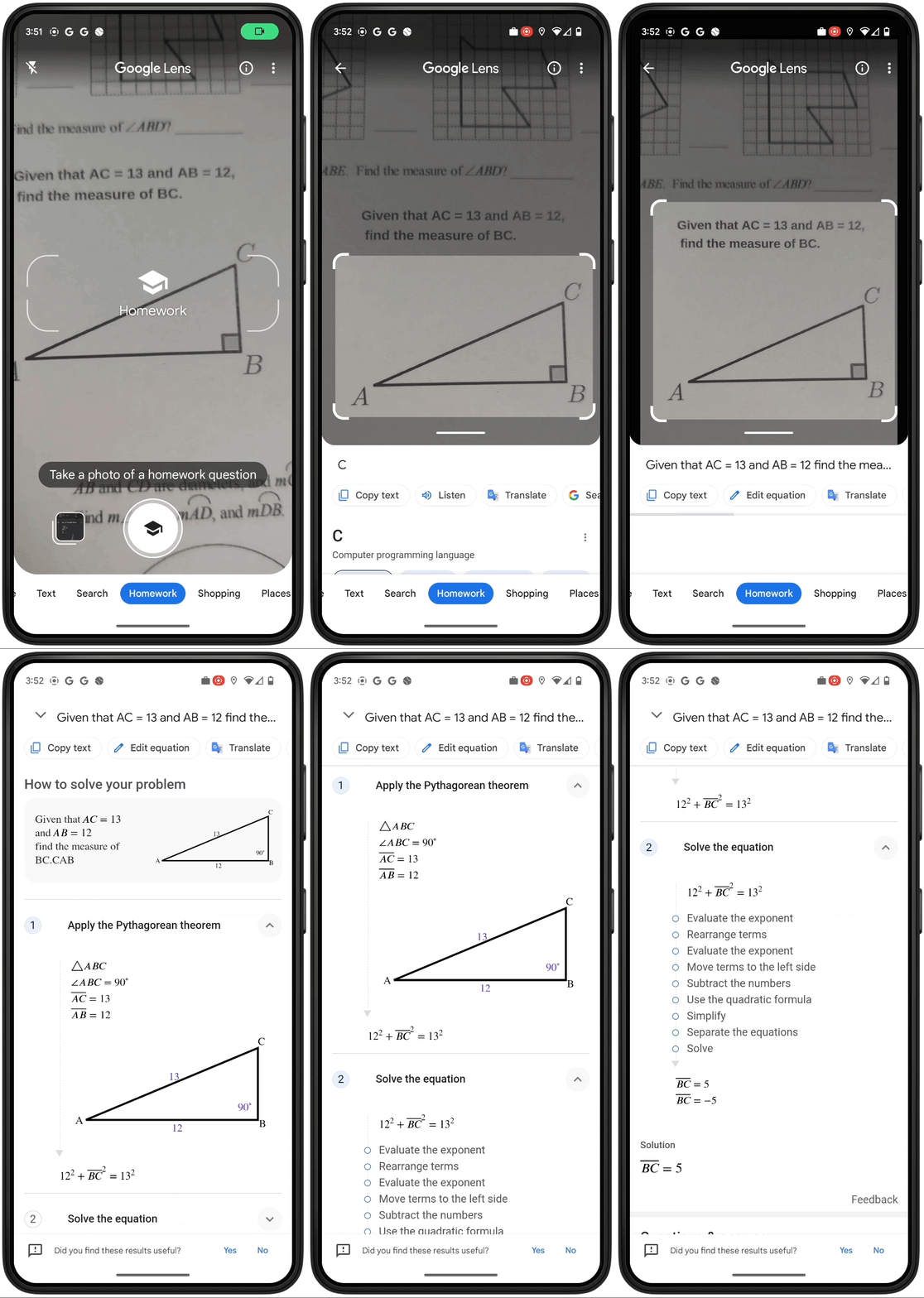
As more people use AI tools like ChatGPT, it’s safe to assume that certain types of searches and tasks will migrate from Google search. That’s why it’s fascinating to see how Google is combating this threat / embracing this technology with new features and innovations…like it’s Search Generative Experience. Google obviously has a long history of innovation (this is a great interactive timeline of its product milestones), and just announced a feature to create images within search results, and a tool to help kids with their math problems (and math-challenged parents like me to help my kids).

The implications of these changes will also have an impact on those companies relying on Google as a source of organic traffic, and many publishers are worried about having their articles summarized by Google instead of referring audiences. Google just released a new post on what AI can and can’t do for marketers that is worth a read.

Fresh Stats

  • Digital 2023 – October Statshot (We Are Social / Meltwater): 300+ slides on the latest global digital trends, including this nugget on the challenge brands currently face on FB “on average, a Facebook page with a million followers can only expect 400 users to engage with any of its posts, regardless of the post type.”

  • How People Can Create—and Destroy—Value with Generative AI (BCG): Study that shows the impact of generative AI on creative ideation (good!) and business problem solving (not so good!)

  • Teen Survey (Piper Sandler): Semi-annual survey on U.S. teen preferences – highlights the growth of fast food, mobile devices, and video games…basically everything that I nag my own teens about.

TikTok & Media

Speaking of teen trends, I recently saw my 13-year-old son on his phone while also watching a YouTube short (vertical video) on the TV. Aside from being another proud parenting moment, it reinforced to me new media habits (and advertising canvases). Many Gen Z and Millennials are now watching full shows and movies on TikTok, and Adam McKay is producing a new made-for-TikTok show that will be shot entirely vertically.

TikTok has also  announced that it now offering Out of Home media, and has partnered with DIVE Billboards bring this new media format to Canada. Out of Home is now Out of Phone.

Digital Trends: 10.15.23

I’ve a big believer that to understand a new technology you really need to use it. I’m making time to trial new AI tools to get a better sense of how they work and how they might benefit marketers. Next up, AI video generation for business (HeyGen).

Fixing the Internet

Is the Internet broken? If so, can it be fixed? This question is gaining traction, fueled by X / Twitter becoming a hellscape. Some writers point to the adoption of an advertising over subscription model as the original sin, and others point to dark patterns from online advertising as the main culprit. But maybe the Internet is irreparably broken because it is impossible to moderate social media (where we spend the majority of our time). This quote from Yoel Roth gave me pause as he framed this as a people problem, not a technology one:
 
“Humans were never meant to exist in a society that contains 2 billion individuals, and if you consider that Instagram is a society in some twisted definition, we have tasked a company with governing a society bigger than any that has ever existed in the course of human history. Of course, they’re going to fail.”
 
This MIT article zags by arguing that the solution is MORE Internet – specifically new, smaller, distributed spaces. But maybe we need to go back to an older model: Substack is promising to bring blogging back! I realize this goes against the current of small, algorithmically-fed video stories – but maybe that’s the point.

Fixing Media & Advertising

The WFA released survey results on the future of media agency models, and it ain’t pretty:

  • 11% of respondents believe their current agency model fits their future needs, while 24% believe it is unfit for future purpose.

  • 92% of respondents believe that speed and agility are important, but just 31% are satisfied with how their agency delivers in this area.

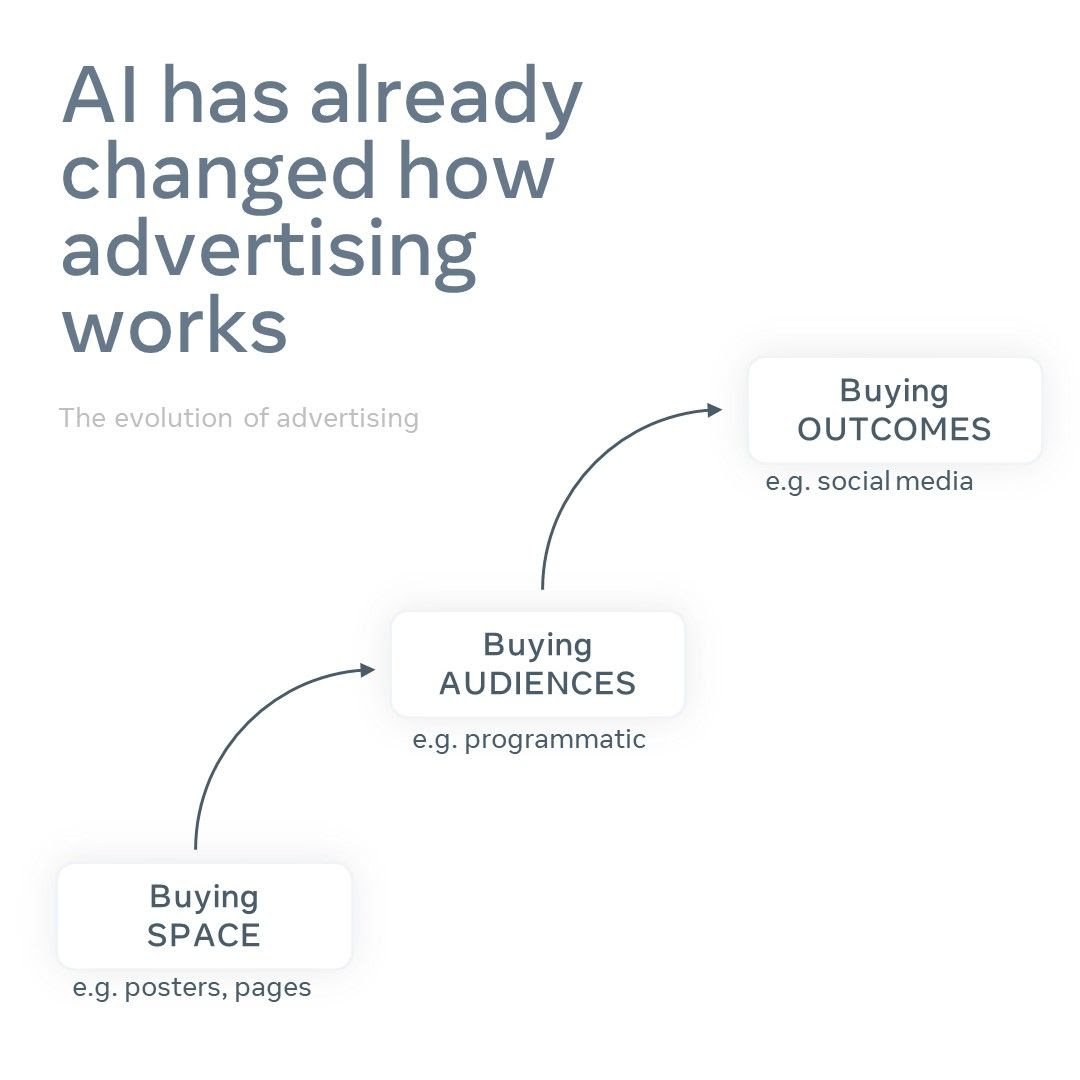
The 800-pound gorilla on the media agency horizon is AI, and how it might replace planning and buying. The challenge for agencies is to determine what repetitive work can be done more efficiently with AI, to focus more on strategic council and innovation opportunities. I really like this framing from Peter Buckley of the promise of AI (guided by an excellent media team, of course) and how we are moving toward buying Outcomes (vs. Space or Audiences).

Speaking of framing, it’s always interesting to see how platforms / publishers position themselves to advertisers. Pinterest is now pitching itself as a full-funnel platform with a clever differentiator given where we are with social media toxicity in 2023: “There’s no confrontation, news or drama. Pinterest is about ideas – not opinions.” Meta and Google are both heavily promoting their new generative AI tools.

Fresh Decks & Research

Smart Reads

  • Research vs Making Culture: Matt Klein from Reddit argues that brands should take a more active role in engaging with communities to help support and actively shape culture vs. passively study it.

  • What makes the perfect creative brief?: Ian Leslie with some smart thinking (and a fantastic Aretha Franklin reference) on what makes a great brief, and how you can use them to guide your own work and career.

  • Unbundling AI (Ben Evans): Smart read (as always) on ChatGPT being a black box / blank slate, and the need for new, single-use case products / interfaces to drive adoption and utility for people.

  • 10 rules of IP brands: Ana Andjelic with smart framing of how IP-driven brands grow; “Their creative model is entertainment and customer management is fandom.”

Cool Beans

  • Nike Virtual-To-IRL Shoes: Very cool-beans case of Nike rewarding members of its .SWOOSH community who own a Nike Our Force 1 NFT with an opportunity to buy an exclusive physical sneaker.

  • Meta Glassholes: Very not-so-cool-beans case of people walking around public spaces with wearing Meta AR Goggles and recording / sharing their experiences. Want a first-person view of getting slapped?

  • Nerfball: Who needs to sponsor a sport when you create your own? Hasbro has launched ‘Nerfball’ and is using college athletes to attract young audiences to it. Pro-tip: soak that nerf football and you can throw it a mile (or hit someone in the back and leave a water mark).

  • Rewind Pendant: A wearable that captures what you say and hear in the real world, then transcribes and stores it on your phone. The first promoted use case is “Forget what your spouse just asked you to pick up at the grocery store?” I’m intrigued…

Digital Trends: 10.01.23

Last week I delivered a training session on how to modernize your marketing briefs and briefings. In this session, I cover a concept that I call ‘Briefstorming’ (the trademark is available for sale). I was struggling to find a background visual for my presentation, so I turned to Bing Image Creator (powered by DALL·E 3) to create one: “cartoon picture of lightbulbs raining from the sky with lightning in the style of a keith herring”. It was a simple, little experiment that reinforced for me the importance of investing time in using these tools to understand their potential fit in my own work.

Following that thread, there’s lots to keep up with in the world of generative AI:
 
AI & Translation: New tools (like HeyGen) are being used not only to translate recorded voices to different languages, but bringing the promise of instant universal translation to life. Spotify is apparently exploring how it can use these tools to translate podcasts into different languages. I’m feeling better about my decision to drop French in Grade 10.
 
AI & Music: AI is expected to impact the music business significantly within the next year, bringing with it many concerns over copyright protections. Spotify will allow AI-made music that is not impersonating an existing artist (autotune is still permitted, unfortunately).
 
AI & Chatbots: AI-powered chatbots are becoming pervasive, and Meta is incorporating these tools across its products including celebrity versions including Snoop Dogg (has he ever turned down a sponsorship opportunity?) ChatGPT is becoming more current as it will access up to date information vs. the previous cut-off of September 2021.

AI & Images: OpenAI (ChatGPT) announced that it will be releasing text-to-image capabilities, and Getty Images is fighting back from having its images scraped by other models by releasing its own an AI-powered image generator that produces commercially safe outputs. My friend Carlos Garavito is a great follow on LinkedIn (and IRL) – he is sharing his own AI-powered images and prompts daily.

AI & Smart Reads: I’m admittedly still trying to get my head around AI….how it works, where it’s heading, and what it all means for marketers and businesses. I’ll continue to share the resources that I come across that I find helpful, here are a few:

Fresh Decks

  • The Cost of Dull: A few slides on a study being done by Peter Field (of Long / Short fame) and Adam Morgan (eatbigfish) on the cost of overly-rational advertising. Some good data points in here if you’re trying to convince someone to take a chance on more emotional creative.

  • Chaos in the FYP (OK COOL): Smart, fun deck on the latest trends driving engagement on TikTok. Lots of inspirational examples and practical tips for brands.

  • Gen X & Social Media (Wavemaker): Study of the social media habits of the Gen X audience that “is largely ignored by brands and the advertising industry”. As a proud Gen X-er slacker...whatever, I don’t care.

Cool Beans

  • Tinder is sponsoring a pop-up shop to help singles remove their old couples tattoos by turning them into new pieces of art.

  • Ray-Ban Meta Smartglasses: Cool beans? We’ll see – but the reviews of the product are surprisingly positive. If this means that people standing in front of me at concerts will start recording video using their glasses instead of holding up their phones, I’m all in.

  • Lapse: A new social ‘disposable camera’ app that allows people to take 36 pictures within a group chat, and only view the pics after all have been taken. Fun idea.

Digital Trends: 09.15.23

AI & Marketing Workflow

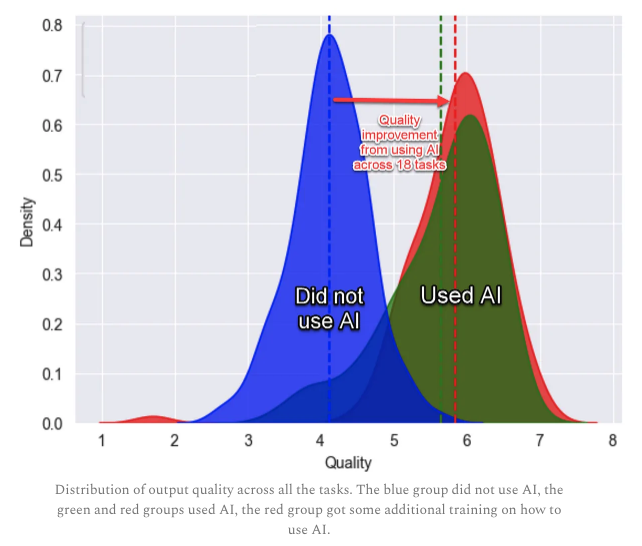
Sure, AI will take over and destroy humanity, but in the meantime can it please help me with my work? I’ve been tinkering with various generative AI tools – all very interesting, but no great productivity gains yet. Ethan Mollick’s Substack is super helpful in this area – he has a great guide on experimenting with different tools (read the comments for more recommendations). As these tools become more integrated with the core applications I use, they’ll no doubt become more helpful. I’m keen to try Google’s AI chatbot which now integrates with Gmail, Docs, and Drive to access user information, not just the public web. Consulting companies are also trialing these tools, and a study shows that consultants that used AI finished completed tasks 25.1% more quickly and produced 40% higher quality results.

Some brands and agencies can’t help themselves when it comes to jumping on a new trend, even if it’s only to grab attention. Exhibit A: Coca-Cola launching a new flavour called Y3000 generated in part by AI. Exhibit B: La-Z-Boy launching The Decliner – an A.I. powered recliner that sends texts by pulling its handle. Not sure this is exactly what Alan Turing had in mind when he was putting in those late nights in the lab pioneering artificial intelligence.

Social Media Moves

Contagious has a good interview with social media vet Matt Navaro discussing the general shift from people sharing publicly on social media to sharing privately within messaging platforms. The large social platforms are responding to this shift, as TikTok is projected to be moving into messaging as is Clubhouse (remember them?) Private messaging is harder to monetize through advertising, so perhaps that’s why Twitter is exploring a subscription model as is Meta (Facebook / Instagram) in Europe.

So where does this leave marketers? More time / investment required to understand niche communities and how to add value. More focus on working with creators / influencers for presence within the feed and for creating content that has a chance to be shared within these private spaces.

First Party Data & Marketing

First-party data has been a hot topic for the last few years as marketers prepare for a world without cookies and investment in adtech / martech grows. Google recently shared that it will drop cookies in 2024, and replace it with user-tracking within Chrome (showing advertisers topics you are interested in based on the websites you visit). Companies continue to invest in acquiring first party data, like PepsiCo who increased data by 50% through tactics like rewards programs and giveaways. Accenture has shared an advertising playbook that highlights the importance for investing in people (i.e., those fleshy things with pulses) to work with this data, and Martech has a practical list of ways companies can unlock value from their data.

For a more nuanced take, this episode of The Overthinkers on first-party data is a good listen. From my experience, it often feels like companies are looking at hoovering up data as an end in itself. We need to spend more time establishing a clear view of the types of experiences we want to provide customers (and operate our businesses), and have that drive our data collection and investment planning.

Fresh Research

  • 2023 Global Mid-Year Forecast (GroupM): Global stats on media spend with a breakdown by channel: Digital and Retail Media up, Print and Out of Home down.

  • Digital Consumer Trends (Deloitte UK): Zooms in on personal technology use and highlights how people are keeping devices longer, subscribing to more services, and are generally skeptical about AI.

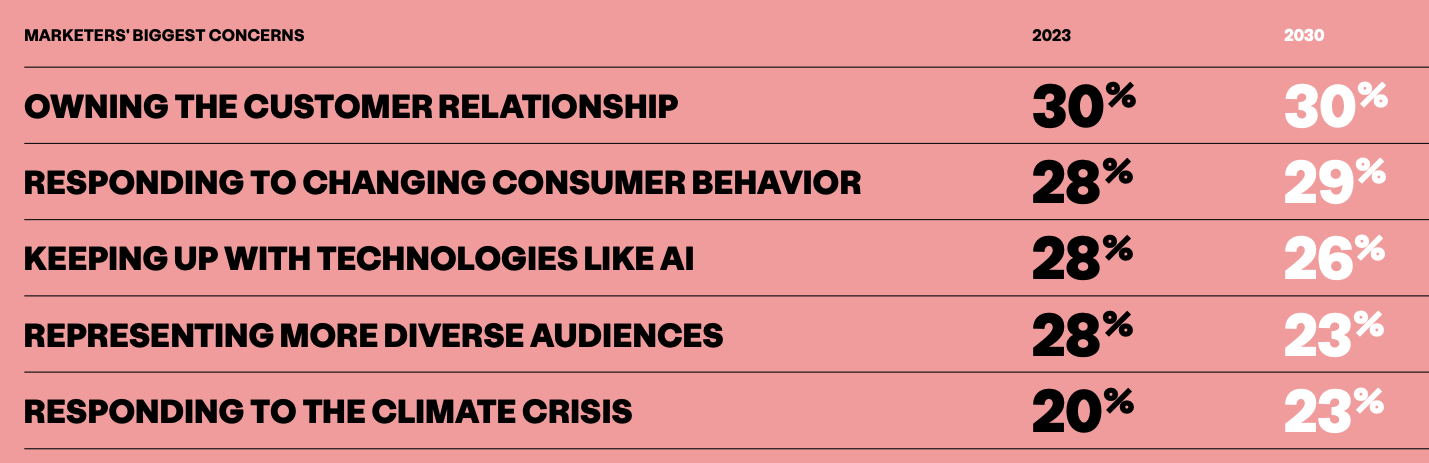
  • Creative CMO Report 2023 (Dentsu): Survey of 700 senior marketers that surfaces 8 different themes. Interesting to see marketers biggest concern for 2023 is ‘owning the customer relationship’, which aligns with this desire for more first-party data.

Smart Resources

  • The Multiplayer Brand (Zoe Scaman): Another thought-provoking (and beautifully designed) deck from Zoe Scaman on how brands need to facilitate next-generation customer participation in new ways.

  • The Future of Influence (We Are Social): Smart article / deck on how the influencer / creator space is evolving – from forming collectives to launching businesses outside of social platforms.

  • Web3 Marketing Case Studies (Paul Martin): Related to Web3, I just came across this awesome repository of modern marketing use cases (Nike, Starbucks, Adidas). Bookmarked!

Digital Trends: 09.01.23

AI is Everywhere

The current coverage of AI reminds me so much of the original coverage of the Web. Lots of writing on the “The Rise of”, The Age of”, “The Era of”, and the always popular “The Death of”. Here are a few AI items that spiced up my feed over the past few weeks:

  • Enterprise AI: OpenAI is now offering an enterprise product that allows businesses to train and use their own version of ChatGPT. Smaller, trainable generative AI tools for individuals are also launching (see ChatPDF).


  • Google Products: Google is in a great position to offer what these bespoke AI tools can’t, which is integration with its products. The company is launching a Google Meet feature that will take notes for you, and a Chrome feature that will summarize articles (which will either help me to write this newsletter, or make this newsletter totally obsolete…stay tuned!)


  • McKinseyGPT: The consultancy published new research on the state of AI in 2023, and a guide for CTOs. McKinsey is also shared that it has rolled out a new proprietary generative AI tool for its staff. If I was a consulting client, I’d wonder how my data was being used, how I would benefit from these new efficiencies, and if the nature of the advice that I am paying for is bespoke and not derivate of past work.


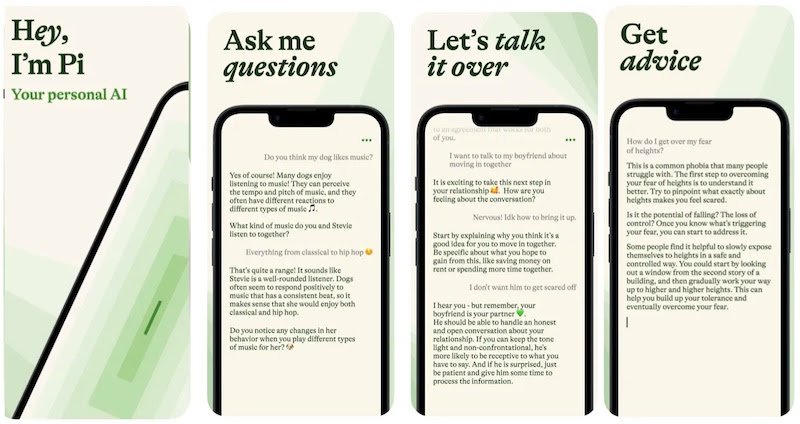
  • AI Companions: AI tools being framed as “companions” as opposed to “computers” or “chatbots”. Pi is an example of this new type of tool that promises to be a companion bot which becomes more personalized and helpful over time.

Brands & Clothing

One of my first clients ever was Molson Canada. I was working on a business case to build an online store for branded merchandise. The brand teams at the time wanted to move away from expensive in-case merchandise giveaways. So, I thought I was dreaming (or drinking?) when I saw that Molson was trying to acquire their own vintage branded merchandise for a new Drake-inspired giveaway. This is happening at a time when Tim Hortons has just launched a new merch shop, and McDonald’s is promoting a new clothing collaboration with Palace. A fun way to align brands with culture and nostalgia, while essentially turning customers into inexpensive media canvases.
TikTok & Commerce

TikTok just released a new Shopping Trend report. It has some useful case studies on how brands are using the platform to sell. I like this visualization on different cultural happenings – some fleeting, some lasting – that marketers can capitalize on.

This comes as more retailers are using TikTok to sell, with some small businesses going live. Creators (rather than brands) seem to have the advantage selling on TikTok due to perceived transparency and parasocial relationships with followers. Interesting to see TikTok rolling out search advertising for brands, as more people are using this feature. As the reach and influence of TikTok grows, more brands are looking to hire TikTok-specific agencies. I’m not surprised – at least in the short-term - as effective TikTok content is unique and specific to the platform.

Research & Resources

  • APG Skills Survey: The APG UK released a survey of planner-types and found that “understanding people” is the most important skill. Related, Roger Martin has a great post on what makes a great strategist (it’s not about intellectual brilliance...whew!)

  • Identity Century (Tracey Follows): A thought-provoking presentation / visual essay on the concept of identity, and how plurality of identity(ies) is the reality in 2023. Still digesting.

  • Top 10 Emerging Technologies (WEF): Study that covers tech well beyond marketing (e.g., flexible batteries, wearable plant sensors) though Generative AI is included. I like the impact framework that they use to evaluate / visualize the differences among technologies.

Cool Beans 

  • Photo Trends: Looking to take a photo and instantly turn it into AI art? Or would you rather go back in time and use a Nintendo DS for something more lo-fi?

  • Environmental Maps: Google is launching new APIs to incorporate solar, air quality, and pollen data layers on Google Maps to help companies make more environmentally friendly decisions.

  • Clock Songs: Another smart and creative digital project by The Pudding – this time (pun intended) it’s a website that plays a song with the exact time in the title. My kids will love this ;-)

Digital Trends: 08.01.23

I’ve been thinking a lot about social media recently. Where it’s going from a big picture perspective, and my own personal use. From a big picture perspective, all platforms are TikTok-ifying – an endless scroll of short videos algorithmically served to maximize time (and ad revenue) in app. From a personal perspective, it now feels purely like media consumption – not a social experience. It rarely feels like time well spent.
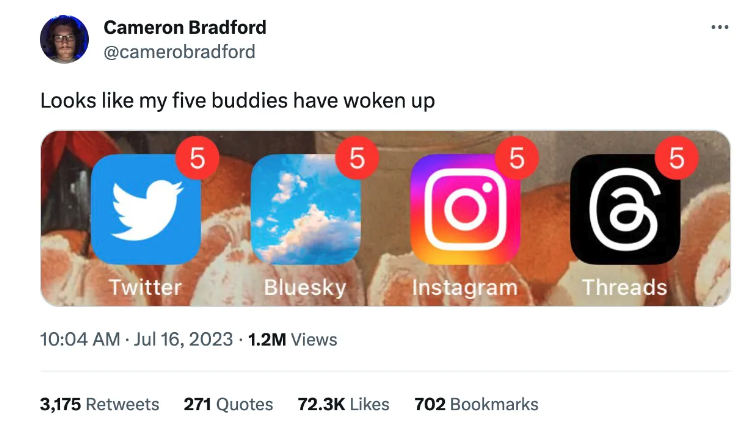
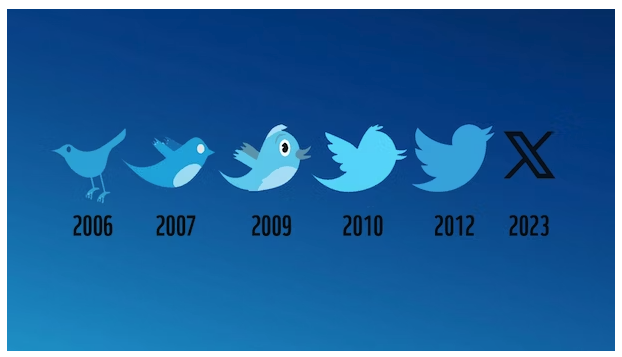
Which brings me to the latest battle in the social media platform wars. Meta has launched Threads to usurp the flailing Twitter. The platform grew dramatically, partly because it was so easy to sign-up. Brands are starting to post, however up to 70% of daily Threads users have started to leave. Casey Newton makes a strong case why Threads might still win, particularly given Elon Musk’s move to “rebrand” Twitter as X and to reinvent the platform as a super-app. We’ll see.

After using Threads a bit, I find the whole thing oddly depressing. A brand-new platform that looks and feels (intentionally) like another platform, which is trying to become exactly like another type of platform. Where is the innovation in business models, community governance, or experience design? I think this feeling of fatigue with conventional social media is what’s driving people to smaller, more distributed, private messaging platforms. Something new, not more of the same.

Gen Zzzzzzz

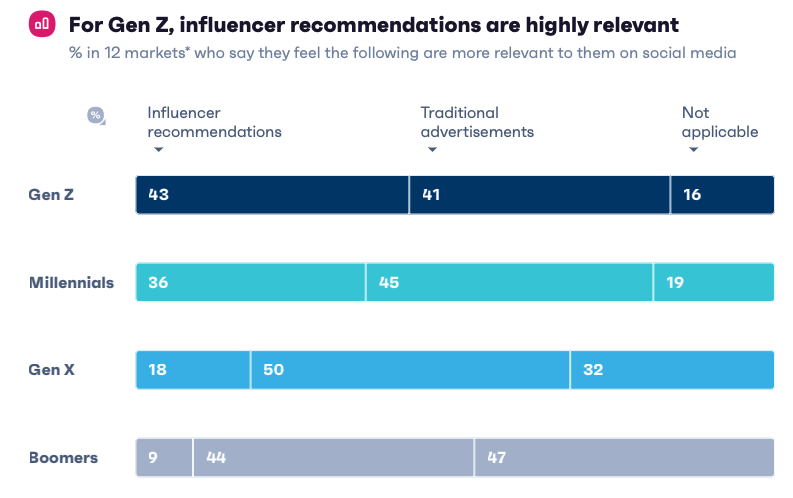
I find it tiresome (and kind of hilarious) how the marketing world continues to be so taken with Gen Z trends. It’s like we’re studying some alien species that has been cloned, so every creature thinks and acts the same way. Here’s a round-up of my favourite Gen Z insights from just the last 2 weeks:

How broad is that brush we’re painting with? Here’s a good POV from Bob Hoffman, reminding us that “There’s as much variation within generations as there is between generations.”

Fresh Decks

  • Consumer Trends (Dan Frommer): Excellent (and free!) 102-slide deck that covers everything from AI, weight-loss drugs, non-alcoholic beer, and the pandemic trends that ended up being contagious (too soon for COVID puns?)

  • Holiday Insights (Reddit): This summer is moving way too fast for me already, and the fact that Reddit has now posted research and insights for planning your next holiday campaign isn’t helping.

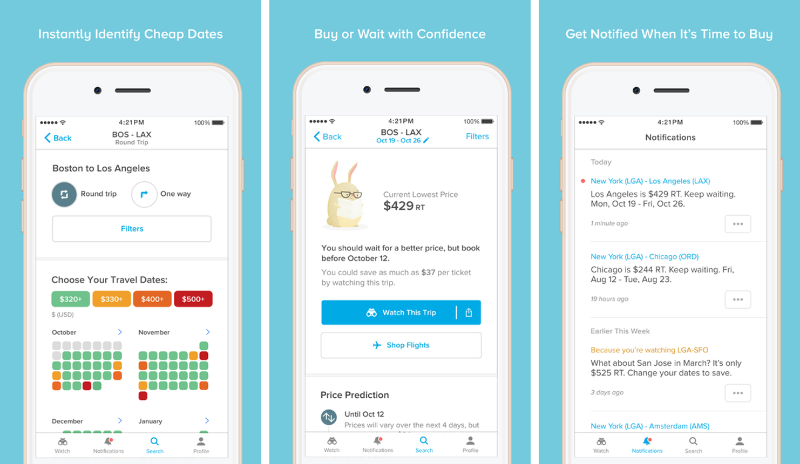
  • State of Travel 2023 (Skift): If you work in travel, bookmark this great resource. Skip to section 9 for the "digital" content – interesting perspective on Hopper successfully using gamification to drive bookings.

Cool Beans 

Digital Trends: 07.15.23

It’s been a few weeks since Threads launched. I’ve been monkeying around with it (you can connect with me @tim___dolan, but keep your expectations low). While it has a similar feature set to Twitter, it feels different. Platforms are driven by the behaviour of users, and it still has that clean ‘new platform’-smell. As someone who loved the early days of online forums, this post captures my feelings about Threads and how people use social media in general: “This behavior says something about how we view social media now. It’s not for connection, but performance.” Even the head of Threads shares that the platform is more about creators than community.
 
One of the early criticisms of Threads is that it defaults to an algorithmically driven timeline that features content from those you don’t follow. A chronological timeline view is apparently coming, and in the meantime you can go deep into your settings and change your Threads feed to accounts you actually follow. As a fan of 2X2 diagrams and Ben Thompson, this is a fantastic read on how social platforms are evolving and the future of Threads vs. Twitter.

While there are no ads on Threads yet, there are steps brands can take to start establishing a presence and understanding of the emerging nature of the platform. Threads is expected to roll out branded content tools soon to help marketers break through.

 Fresh Decks

  • 2023 Digital Media Trends (Deloitte): Highlights how younger generations find community and immersion in playing video games. Consistent with data sampled from the Dolan household.

  • State of the Global Workplace (Gallop): Annual report on how people feel at work, with interesting data on remote working. The report states “After dropping in 2020 during the pandemic, employee engagement is on the rise again, reaching a record-high 23%.” Doesn’t that seem depressingly low?

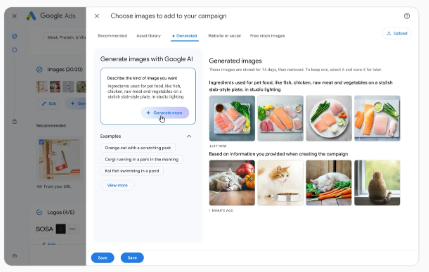
  • AI & Search Generative Experiences (Jellyfish): Useful overview of how generative AI might impact paid search campaigns. Google advertisers will soon be able to create ad campaigns and assets with AI-driven chat, directly within the Google Ads interface.

Cool Beans

  • Calendly vs. Google: Gmail is launching a feature that allows users to share calendar availability. I love this feature, even if I’m not totally over the awkwardness of asking a client to book a meeting with me.

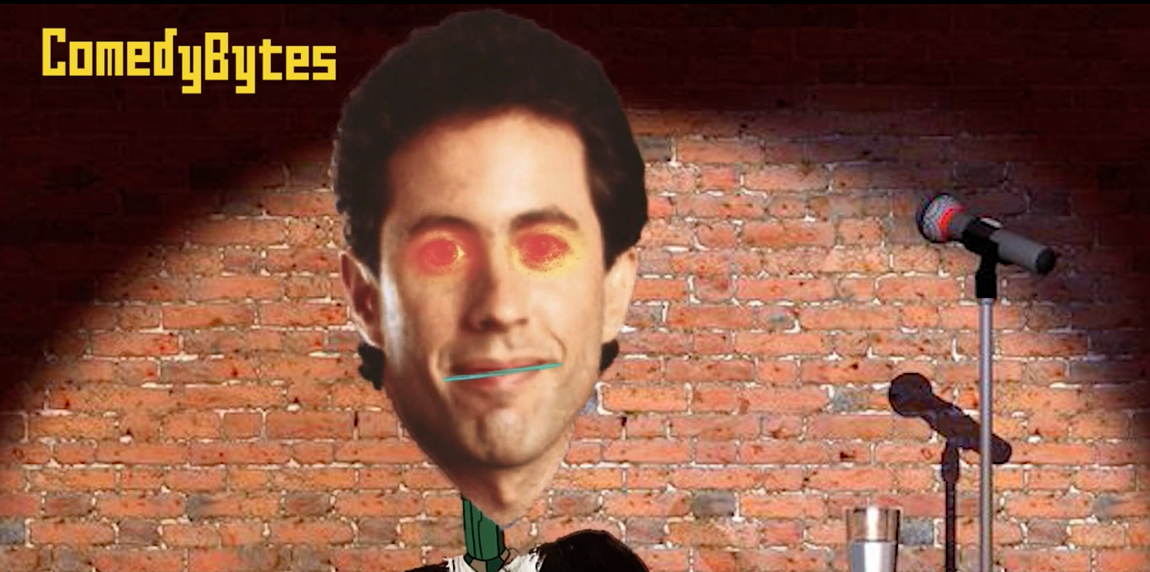
  • A.I. vs. Human Roast Battle: While AI might eventually wipe out humanity, I’m 100% in on this comedy troupe using generative AI for jokes and roast battles.  Seinfeld-AI is gold Jerry, gold!

  • Ok Boomer Phone Etiquette: If you want to avoid being ridiculed by Gen Z, make sure you don’t scroll your phone with your index finger or use thumbs-up emojis (which literally make up 80% of my texts).

Smart Reads

  • Demographics are Horseshit: Speaking of Gen Z, Mark Ritson provides a smart and profanity-laced explanation why marketers should rely on age as the dominant way to segment customers.

  • AI and the Automation of Work: Useful long-term perspective from Ben Evans on how automation hasn’t historically replaced use from jobs as much as helped to move “up the scale of human capability”.

  • Propelling Questions at Cannes: One concept in the great book A Beautiful Constraint is the ‘propelling question’ - how to use constraints to find a creative solution. The writers illustrate how this concept comes to life in recent campaigns from Cannes.

Digital Trends: 07.01.23

Summer is here, so I’m typing this out between sips of beer on a wobbly patio table. Pardon the typos - I hope you’re reading this in the sunshine 😎

Online Advertising & Effectiveness

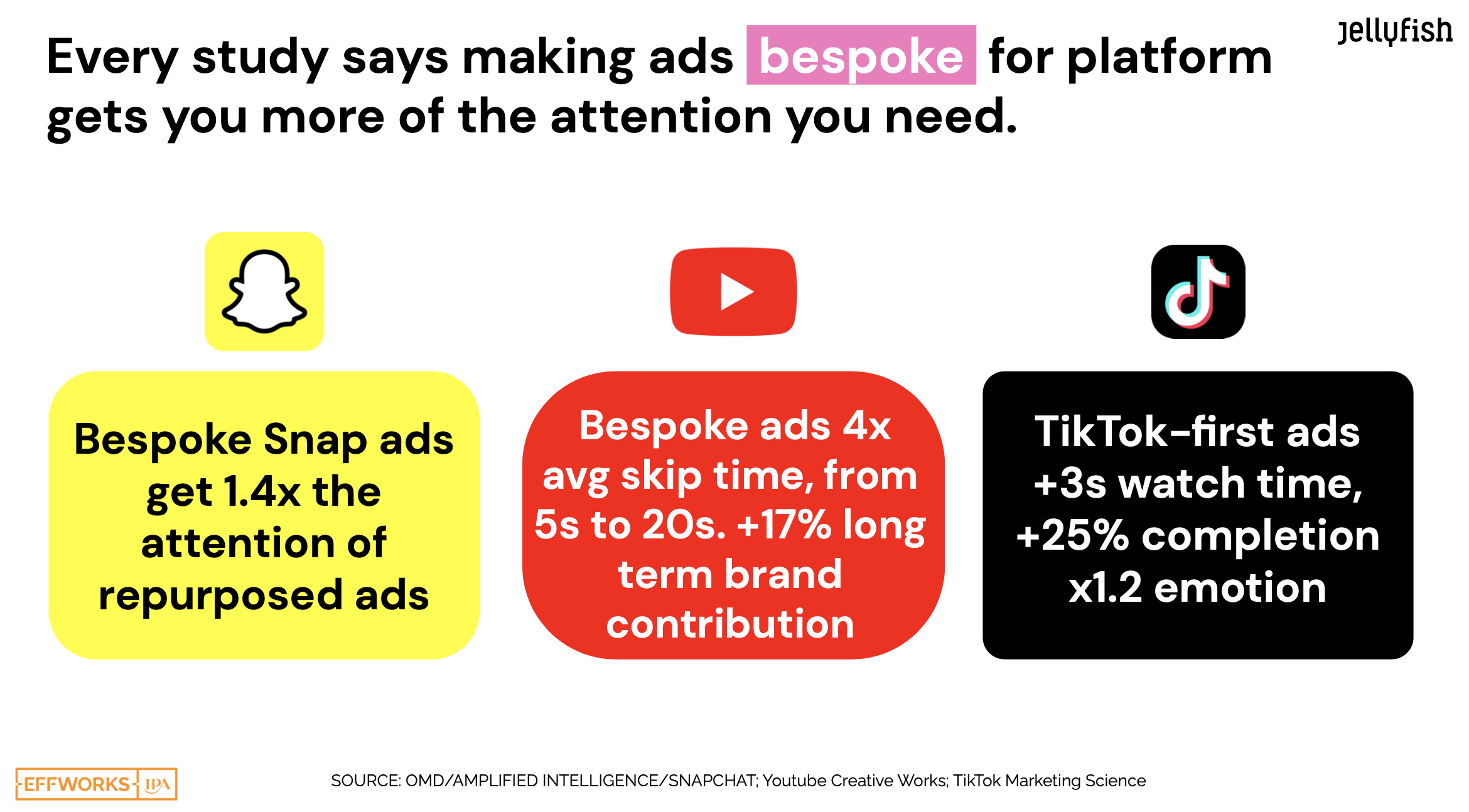
The effectiveness of online advertising has been shit on hotly debated over the last few years. Criticism has focused largely on ad fraud, issues with attribution, and the belief that brands can’t “be built online”. Tom Roach has a well-researched piece that counters this final point, including examples of new brands built solely on digital platforms. This builds on the research and perspective shared in the excellent 3rd Age of Effectiveness presentation from the IPA. It has some very useful research on the importance of creating advertising that is native to each digital platform. A must read / watch for anyone creating or investing in online advertising today.

Marketing & AI

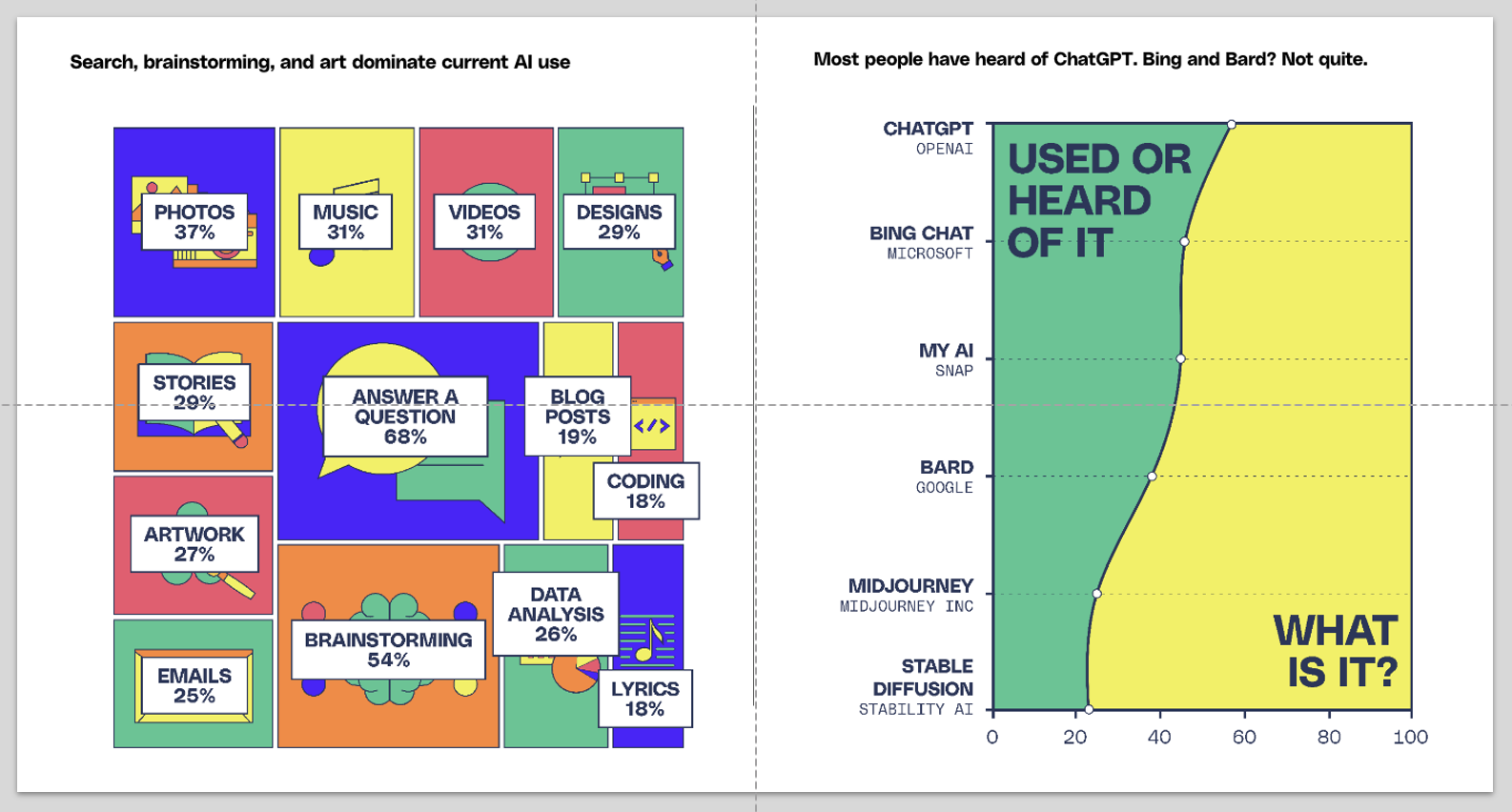
How will AI impact marketing departments? Bain recently surveyed a number of marketing execs who are lying to trying to assuage employees’ fear of losing their jobs, while also predicting that AI will help them to cut costs by 13%. The Verge has research on the general public’s use of AI that serves as a useful reminder that those of us in the technology bubble that not everyone is similarly obsessed with these shiny new tools.   
 
Interesting to see generative AI tools make their way into marketing workflows and campaigns. Google highlights ways that generative AI can be used for creating advertising content on the platform – promising boosts in “velocity, volume, and variations”. McCann recently won a Silver Lion for a campaign that incorporated generative AI to produce 42,000 unique signs for Mexican hamburger vendors; exactly what the inventors of AI had in mind for the technology. And as a PSFK fan, I’m keen to try this new service that uses AI for market forecasting: Trend God!

Fresh Decks

  • Breakthrough Brands 2023 (Interbrand): Cool round-up of 12 breakthrough brands (launched within last 7 years) and what makes them standout. Love the Cake e-bike example.

  • Culture & Trends Report (YouTube): Research and perspective on the trends driving video creation and consumptions on YouTube, with a spotlight on what's resonating with Gen Z.

  • Social Media by Generation (GWI): Speaking of Gen Z, this infographic does a great job of illustrating that while everyone is using social media, different age cohorts use it, well, differently.

Cool Beans

  • Pyramid Chat: Art collective MSCHF launched a new experiment – a pyramid scheme run on Discord where you pay $8 to join and make $5 for every recruit.

  • Instagram Threads: Meta is apparently launching its Twitter rival this week, and I can’t believe I’m rooting for it given all of the problems on Elon’s Twitter this weekend.

  • Life Before Cell Phones: A writer interviews people who were aged 27 in 2002 to describe work / life before cellphones, to the amusement of younger co-workers. A few examples made me particularly nostalgic, like: “You’d have bar arguments about what was true or not, and you couldn’t resolve it immediately, because no one could check the internet! It would go on forever. For days.”

Digital Trends: 06.15.23

Over the last 8 years, writing this newsletter has helped me to keep on top of (and think about) trends in digital media, technology, and culture. It has also helped me to keep connected to 2,000+ people that seem to be interested in the same stuff. But sending this newsletter feels a bit like speaking into the void. It’s one-way. So, I’m going to switch things up and try to use this newsletter to connect with more of you. If you’re interested in meeting up, just reply back (my treat for coffee, beer, or Zoom link). I’ll start to do the same.

New AI Use Cases

Different businesses and people are trialing AI in their own operations and workflows and finding new applications. Examples span from efficiency gains (replacing customer service at drive-throughs) to – Black Mirror alert – empathy gains (doctors using ChatGPT to communicate with patients more compassionately). If you’re trialing ChatGPT for copywriting, please do not refer to your copywriter as ChatGPT. And if someone can start a petition to stop the TeddyGPT toy from becoming a reality, you’ll be doing humanity a great service.
 
If you’re keen on levelling up your use of ChatGPT, OpenAI published a helpful best practice guide for using the tool. Or you can hire a consultancy – Accenture announced a 3 billion investment in training / hiring AI experts. This report from McKinsey on generative AI business productivity use cases is worth a skim.

Retail Trends & Livestreams

I’m a sucker for a good ‘The Future of…” deck (I’ve written an unhealthy number of these things). This Google report on the Future of Creativity in Advertising includes a range of smart perspectives. Klarna also just published a Future of Retail deck with interesting data on how differently younger shoppers are willing to embrace technology in retail experiences. Google is supporting this trend with a new way to virtually try on products, and TikTok is testing a visual search feature to help people shop.
 
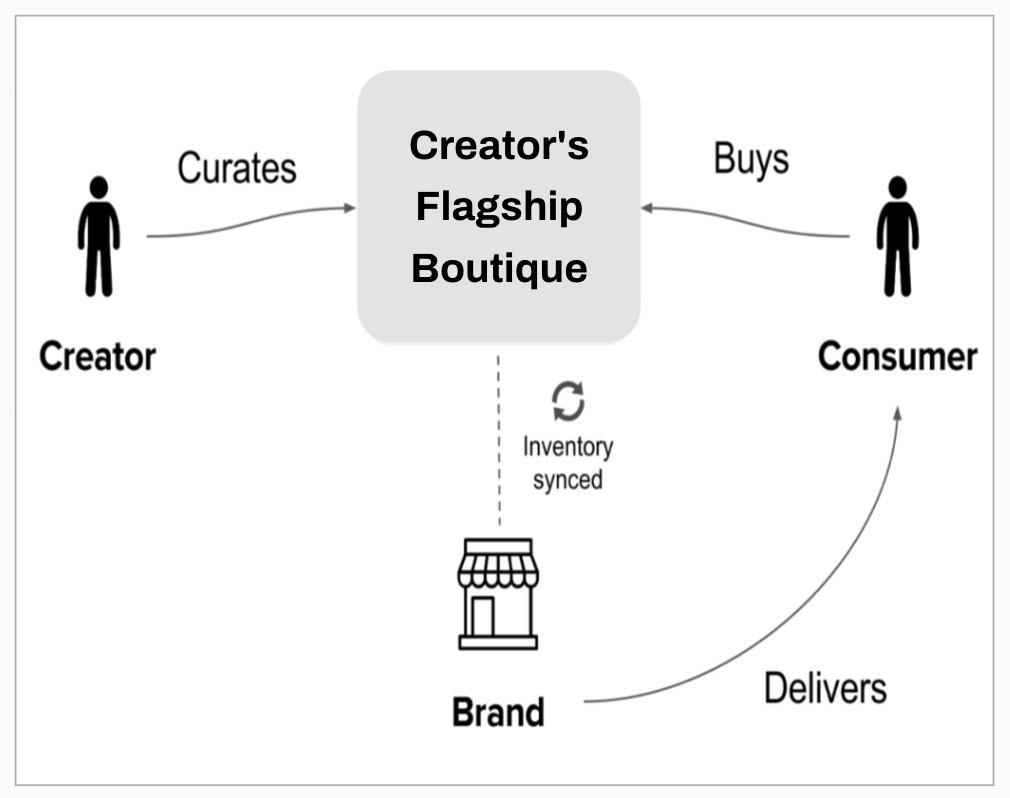
Livestream shopping hasn’t taken hold in Canada like it has in Asia, but a new set of tools are focusing on helping creators vs. the large e-commerce retailers. This is a smart piece that describes how creators are essentially curators that can influence their fans / followers to purchase products. Twitch is supporting this trend by providing creators with live shopping experience platforms, and many small businesses are starting to benefit from this direct-to-follower commerce model. People buying from people vs. people buying from stores.

 
Vision Pro Predictions

Ben Evans is my favourite tech writer. He has a great piece on the Vision Pro, contrasting Apple’s roadmap (right product, working to right price) vs. Meta’s (right price, working to right product). He makes a smart observation that Apple shows the user’s entire environment in its demos, not focusing on the person wearing the headset or the view inside the headset – underlining that it is an AR-first device,  “headphones for your eyes.” Others (including me) can’t get over the form factor of wearing a headset in public – even though trends normalize and change. Scott Galloway argues that our vanity will be a barrier; “there is no version of a headset or goggles that makes us seem more appealing. None.”

I’m reading a book on Blackberry right now, and I forgot how dismissive everyone was of the iPhone when it launched – it was an ‘expensive toy’. I also forgot how f**king amazing the iPhone was when I first tried it. I’m going to wait until I experience a Vision Pro for myself before I make my predictions.

 
Cool Beans

  • Facial Odour Generator: Prediction - I am going to buy a Vision Pro and I am not going to pay for the smell-o-vision upgrade.

  • Digital Twins & Generative AI: Watch NBA great Carmelo Anthony have a conversation with his generative AI-powered digital twin. I hope they don’t play basketball together because they won’t pass to each other.

  • QR Code Art: Super cool use of Stable Diffusion to create QR code art that looks very cool and works very well.

Digital Trends: 06.01.23

AI & In-House Agencies

Over the last month, I’ve been delivering a digital marketing training program for a large in-house agency. The topic that keeps coming up is generative AI. One creative team shared that they are committed to figuring out how to use tools like ChatGPT and Midjourney to offload time-consuming production work “before they destroy humanity as we know it” (the tools, not the team). Another copywriter joked (I think) about using ChatGPT to write his resignation letter.
 
Many marketers are trying to figure out how to use these tool in order to turn AI into an intern, and to find ways to shorten the workday. ChatGPT is even being mentioned as a way to replace work traditionally done by junior media planners. If you’re looking to test a few of these new tools, here’s a useful overview of the different generative AI products available today. I also find these tips and templates helpful to structure more effective prompts. Bain recently published research with the percentage of companies using Generative AI for different business functions, including marketing.

In the short-term, most adoption will no doubt come from generative tools being built into products creative teams already use – like Adobe Firefly. Interesting to see Google announce generative AI tools being released to help their customers create ads and product assets for campaigns. Even more interesting to see is how these tools will place generative AI ads into search results - a medium that Google controls. Google has every reason to convince brands that search advertising is relevant for our AI present / future, given many (including Bill Gates) predict that A.I. will kill search engines (and Amazon) as we know it.

It has been interesting to learn more about in-house agencies over the past month, and I can definitely see the benefits for the business and the teams. Recent (US) research shows that 82% of marketers use an in-house agency vs 58% in 2013. The same study also shows that 92% also work with external agencies, for excess capacity and for access to specialized skills. And the biggest gap for in-house teams? Ahem…finding good strategic planners.
 

Vision Pro & XR

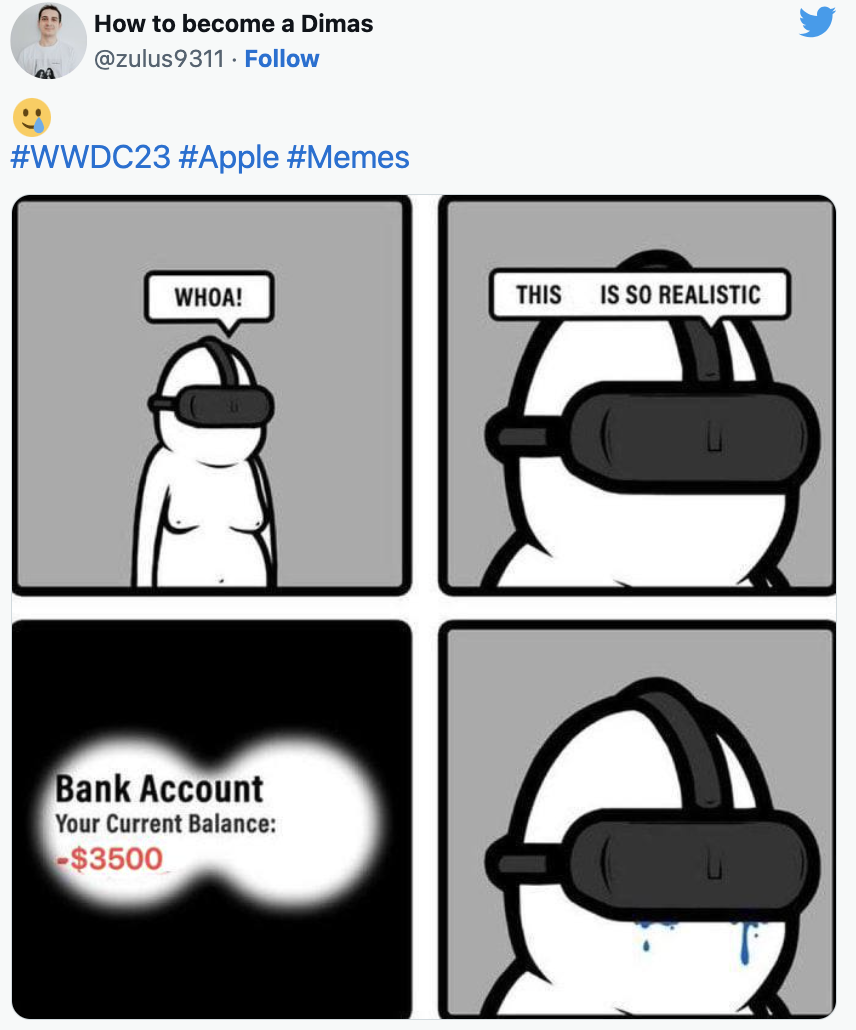
Anyone have $3,500 US ($4,700 CAD) to spare? Like everyone else, I’ve been pouring over the reviews of the Vision Pro. Everyone who has tried the headset, seems to come away extremely impressed with the hardware and its performance. Well, everyone but Mark Zuckerberg. Ben Thompson, as usual, has a smart big-picture take based on his trial. From a practical application perspective, there are a number of questions about how it will be used and general demand and criticisms about “wearing a computer on your face” or “placing your head in a box”. While I can’t imagine goggling (not to be confused with googling) in a context where I am either not alone or around others wearing headsets – we shall see. It seems like something you can’t understand without using it first.

Learning Resources

  • Degreeless Design: An extremely well curated set of resources to learn about design (for non-designers). Definitely worth a bookmark.

  • AI Canon (a16z): In a similar vein, a16z has curated a bookmark-worthy set of resource to learn more about A.I.  It’s a bit technical, but includes some useful background pieces.

  • Generative AI Learning Path: Google has released a set of new (free) online courses on different aspects of generative AI, with a mix of technical and non-technical training.

Cool Beans

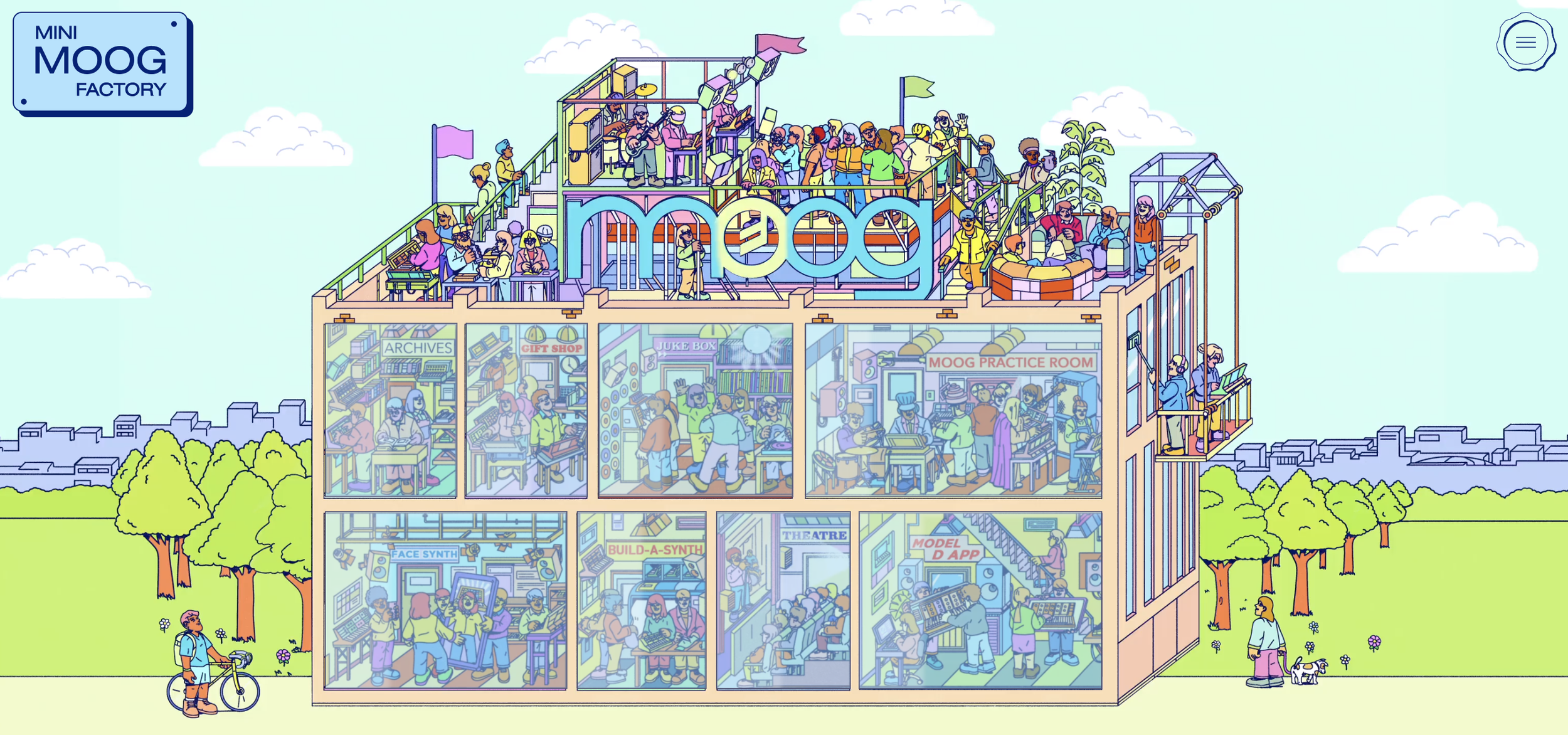
The mini–Moog Factory: A very cool digital experience that celebrates the legendary moog synthesizer. Make sure to click on the Jukebox to rock out to a little Devo!

Digital Trends: 05.15.23

To my Canadian subscribers, I hope you enjoyed a fantastic May Two-Four (albeit on May Two-Two). It’s been a busy time for me with a fun mix of corporate digital literacy training and strategic consulting assignments. I’ve also spent time tweaking the Kickframe Toolbox if you’re looking to add a few new strategic planning templates to your own personal toolbox.
 

Social Next?

What’s next for social media platforms? It’s a topic that’s coming up frequently in my training sessions. I thought this was a clever way to visualize how established social platforms have become more about media and less about community.
 
This ‘vacated space’ theoretically provides an opening for competitors to offer new solutions. BeReal was one, but it is floundering. I suspect the eventual shift will be towards more exclusive, smaller spaces / channels – like group chat on steroids. Reddit is moving more in this direction by introducing chat rooms. Meta is also launching a Twitter competitor that apparently has a more “chat-based feed”. Bluesky is still in an invite-only beta, but for all of the high-minded talk of about the advantages of federated social media - people are still using it to post pictures of their asses. Maybe we get the social platforms we deserve.

Social & Health

The U.S. Surgeon General released a report highlighting the “profound” risk that social media presents to youth. The findings illustrate that while social media can help in some areas, like connecting with others, there are serious downsides for mental health. An example of this pro vs. con is social media location sharing – which makes teens feel both included and excluded. He offers 8 general tips for parents of teens.
 
It does seem like we’re at a tipping point where conversations around social media and phone use are being framed in more objective health terms, which I consider a real positive (especially as a parent of a 14 and 2 X 12 year olds.) This is an issue for parents too, as apparently Boomers are less willing to take a break from their phones than Gen Z. From a marketing perspective, it’s interesting to see L.L. Bean going “off the grid” for May – stopping all organic social media posting in support of Mental Health Awareness Month. Which I naturally learned about from an organic social post.
 

AI & Integrations

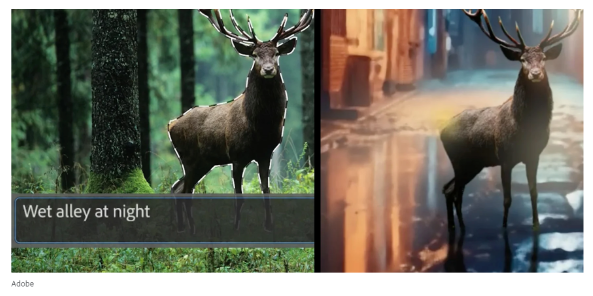
One of the challenges with ChatGPT and other AI tools (like this list of 100) is that they are essentially individual products. It can be tricky to take the output of one tool and integrate it with another tool you are using in your workflow. One of the ways that this is being addressed is by the dominant platforms integrating tools contextually into software / products. For example, Google is connecting AI tools like Bard to its other products (e.g., your output from Bard as input to Google Sheets). Adobe is introducing Generative Fill into Photoshop (very cool demo).

Another way lack of integration is being addressed is through plugins that enable services like ChatGPT to be applied to a businesses’ own data. Checkout this example from Expedia that enables a ChatGPT plugin to use its own data to provide travel planning assistance to customers.

AI & Marketing

Speaking of integrations, new generative AI tools are coming to advertising platforms. While we have been using models to optimize campaigns for years, Google is apparently launching text-to-image tools to help advertisers create ads directly in their ad platform. Meta has also introduced an ‘AI Sandbox’ with allows marketers to test generative AI tools to create ads (e.g., adjust text, backgrounds, and images). Generative AI is covered in this smart chart from Scott Brinker that explores the second order effects from incorporating AI into marketing. He also just released his annual Martech Landscape Supergraphic which now visualizes (gulp) over 11k solutions.

Fresh Research & Reports

  • PC & Console Gaming Report 2023 (NewZoo): New data on the huge (and not well understood by marketers) gaming market. Female gamers now apparently account for 40% of the total PC and console player base.  

  • 2023 Annual Marketing Report (Nielsen): A recent survey of sentiment from global marketing professionals. Only 54% of marketers are confident in ROI measurement across digital channels – eek!

  • The Global Sports Media Landscape (YouGov): Super-interesting research on how sports media changing. Great data on how different age groups consume sports content across many different media / channels.

  • The Age of Re-Enchantment (Wunderman Thompson): Part manifesto / part trend deck, with some interesting data and examples calling for brands to deliver more transcendent content and experiences.

  • Decoding Community (Zoe Scaman): Speaking of transcendent experiences – this deck / presentation qualifies. Zoe Scaman generously shares her research and thinking on the future of community, along with implications and opportunities for businesses / brands.

Cool Beans

  • 2023 Uber Lost & Found Index: Ever wonder what people leave behind in Ubers? Try a Danny Devito Christmas ornament and 16oz of fake blood! Not in the same Uber.

  • User Inyerface (Verhaert): An intentionally terrible website experience that hilariously highlights the worst of modern web design. Browse this site, then go give your UX team a hug / raise.

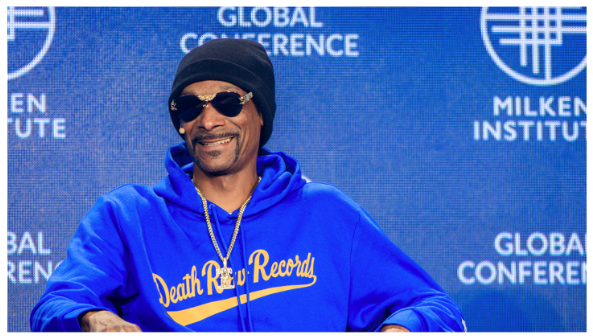
  • Snoop Dogg on AI Risk: I’ll give the last word to legendary rapper and 2023 Milken Institute Global Conference Guest Snoop Dogg on the state of AI today.

CDAP Program

Thanks to those who reached out about the Canadian Digital Adoption Program (CDAP). It’s a great opportunity for small and medium sized businesses to get a $15,000 grant for digital strategy consulting, plus access to a $100k interest free loan and $7k wage subsidy. It’s a no-brainer for businesses making $500k+ per year to gain funding for digital marketing and technology improvements. Reach out if you’re interested in learning more :-)

Digital Trends: 05.01.23

I hope you’re well and enjoying this long Leafs playoff run (wait, what?!) I’m busy prepping for a few exciting digital marketing training initiatives, and have updated a deck that synthesizes data on the digital marketing landscape in Canada. It includes solely Canadian data from the last 12-months, and covers topics including device ownership / usage, social media, ecommerce, and more. You can download it here.
 
And thank you to those who reached out about the Canadian Digital Adoption Program (CDAP). It’s a great opportunity for small and medium sized businesses to get $15,000 of digital strategy consulting, plus access to a $100k interest free loan and $7k wage subsidy. It’s a no-brainer for businesses making $500k+ per year to gain funding for digital marketing and technology improvements. Reach out if you’re interested in learning more :-)

AI + X

The era we’re in now with AI reminds me of when I first became interested in the Internet. I had just finished my MBA thesis on consumer behaviour and the Web (when there weren’t yet consumers on the Web), and was reading Wired magazine and Nicholas Negropointe books. Everyone seemed to be imagining the same thing at the same time: “what if we add the Internet to X?”. Now, everyone is imagining “what if we add AI to X” and we’re seeing a wide range of interesting discoveries:

 
Adding AI to music is in the news with the release - and quick removal - of a song created with AI tools that featured ‘fake Drake’ (here’s a great Daily episode on the whole ordeal). It seems that the music industry is trying to figure out how face AI as it poses obvious risks to music rights-holders. Some artists are leaning into the technology, and new generative AI-focused music producer communities and music streaming platforms have emerged. Must remind music execs of the Napster-era - eek!

SOCIAL NEXT

Speaking of music, I’ll be speaking about digital marketing trends at the National Conference for Orchestras Canada later this week. One of the topics that I’ll be speaking about (and by speaking, I mean a combination of mumbling, pacing, and generally averting eye-contact) is the future of social media. It feels like we are moving into a new era for social platforms, where people migrate to more, smaller, specialized, private spaces. This research paper refers to this future state as the ‘pluriverse’ consisting of Very Small Online Platforms (VSOPs) – in case you’re looking for a few new digital buzzwords.
 
One social trend that continues is the TikTokification of media and attention. For all the shit that Mark Zuckerberg took for ruining Instagram, people spent 24% more time on the platform after it launched its TikTok-style Reels (short, vertical, algorithmically driven videos). While I don’t have plans to move from newsletter writing to TikTok dancing, I do sincerely love the creativity on the platform – from disgusting food and recipes designed to trigger people to real-life moments composed as Wes Anderson movie scenes. This format is being taken to the extreme with ‘sludge videos’ that feature a patchwork of videos within a single video.

FRESH RESOURCES

  • 2023 Digital Media Trends (Deloitte): Some fascinating research that showcases the difference in ‘digital attitudes’ between age groups; 50% of Gen Z / Millennials believe online experiences are meaningful replacements for in-person experiences vs. 19% for Gen X, Boomers, and Matures.

  • 10 Big Idea Examples (Julian Cole): A great resource from communications strategist Julian Cole that describes what an "Idea Platform" is, with 10 clear examples. Helpful if you’re looking for ways to explain or align teams on the concept.

  • Creatives on Strategists (Alex Morris): I’ve always believed that Creative Teams are the real ‘clients’ for strategists in advertising agencies. Here’s a fun deck on what Creative Teams are looking for.

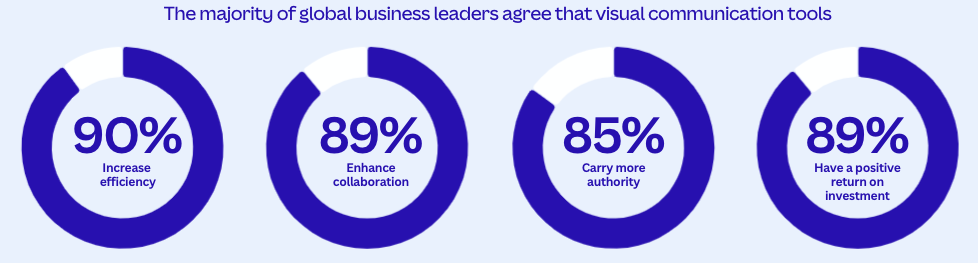
  • The Visual Economy Report (Canva): I don’t recall seeing this topic covered before, but it's smart – research on the importance of design in business communications. Sorry, your PowerPoint SmartArt chops aren’t going to cut it!


COOL BEANS

  • Winamp is Back: Not sure what’s more shocking, that the OG desktop music listening service is coming back or 83 million people still use it.

  • Mixed Reality Controls: Very cool text / prototype video of how you might be able to control your entire environment through mixed reality controls.

  • Smart Dating Glasses: Now for not-so-cool mixed reality – smart glasses that tell you what to say on a date using GPT-4. If he/she is still into you while you’re wearing these glasses – I think you’re good.

Digital Trends: 04.15.23

Marketing & AI

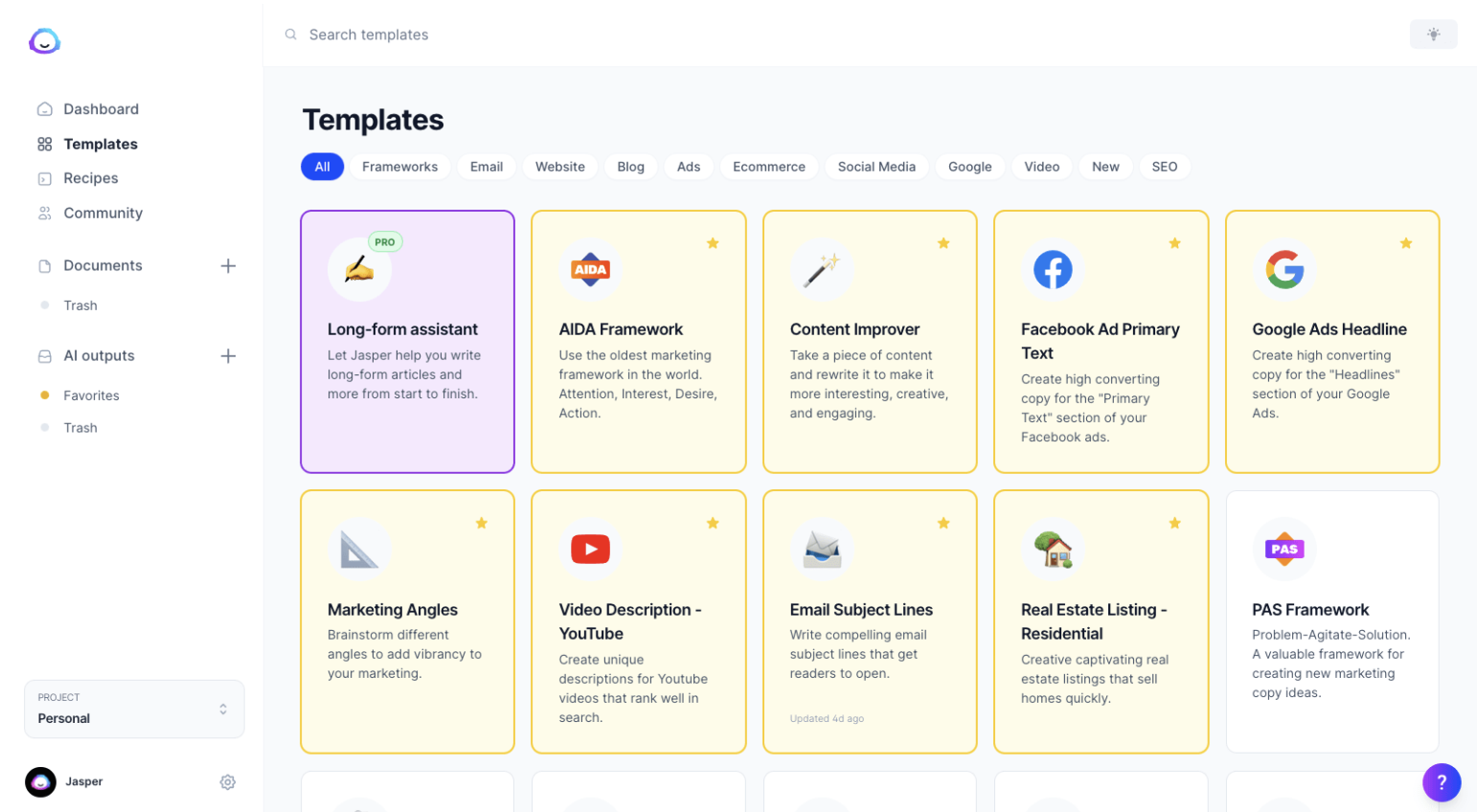
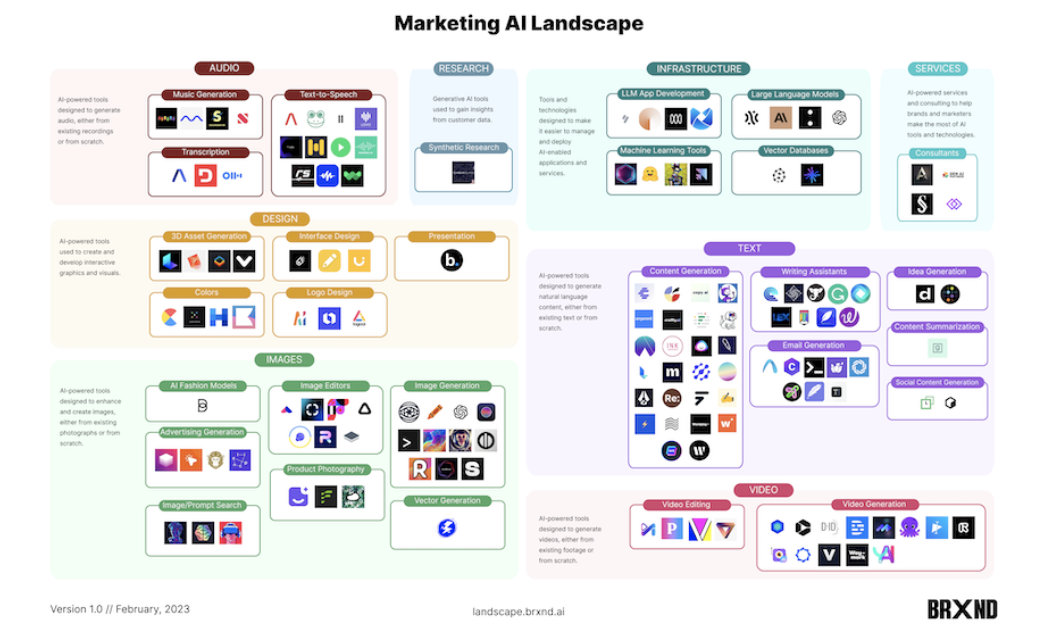
In order to better understand the possibilities of AI in marketing, I’m making an effort to experiment with tools like ChatGPT within my own day-to-day workflows (the writing of this email notwithstanding ;-) I’m keen on discovering smart, small ways that AI is being used that can help me and my clients. Scott Galloway’s company recently tried touse ChatGPT to develop a positioning strategywith interesting results. Here’s asmart hackfor creating web and promotional copy. Just browse theuse cases from Jasperand you’ll get an idea of the ways that AI can potentially help with time-consuming writing / documentation tasks. The quality of thinking and copy aren’t better, but production is cheaper and quicker. For more insight into the role that AI will play in marketing technology, check out Neil Perkin’s recentconversation with Chief Martech himself: Scott Brinker.
 

Cool Beans

  • Stealth QR Codes: The Migrant Workers Alliance for Change worked with Sid Lee to place QR codes disguised as menus in restaurants to highlight issues impacting seasonal agriculture workers. Clever.

  • Playable Beer Coasters: Once you’re done scanning your hijacked QR code, may I suggest that you play the vinyl beer coaster that your frosty Budweiser arrived on!

  • Tiffany & Co & AR: Very cool AR execution for a luxury product launch that combines interactive outdoor with a virtual try-on Snapchat filter.


Social Platforms

The ‘Tiktok-ification’ of attentionhas been a dominant theme in marketing and media for the last year or so. Now that other platforms are copying TikTok’s short, vertical, algorithm-driven video feed “every app now feels like TikTok but worse”. It’s interesting to see a few new social apps launching and / or evolving: Bytedance launched anInstagram-rival called Lemon8and Substack launched Notes –a product that is similar to Twitter. I’m pulling for Notes to be a fresh start for people sharing and reacting to news – particularly as organizations (includingNPRandCBC) pull away from Musk’s Twitter dumpster fire. Speaking of CBC,Kara Swisher recently spoke to Matt Gallowayabout the promise and risks associated with social media “it is a weapon and a tool” – here’s hoping for more tooling.
 

Fresh Research

  • Gen Z Survey (Piper Sandler): A semi-annual check-in on Gen Z consumer spending and preferences (U.S), to see if the kids are alright. Crocs are climbing up the popularity ladder (#6) which this Gen X does not even begin to understand.

  • State of Retail & Consumer 2023 (NRF): Interesting look back at online spending over the past few years highlighting the difference between Forced Behaviours (i.e., due to COVID), and Funded Behaviour (i.e., due to savings).

  • Crypto Report 2023 (a16z): This report is worth a skim even if you’re not into crypto (I’m no expert). They do a helpful job up of explaining crypto in in the context of the broader shift from Web 2.0-3.0 in a non-bullshitty way.
Digital Trends: 04.01.23

This newsletter is a bit late as I’ve been busy completing a certification course in change management. I took the course to better understand how to more effectively manage the people-side of change in my digital transformation projects. I’ve run into so many cases where a senior client shares that they “bought the Ferrari” of martech solutions, but the team can’t properly drive it. While the name of the luxury sportscar changes from client to client, the story remains the same: technology investment alone does not produce the changes that the organization is looking for. People need clarity, motivation, training, and ongoing support to make it happen. This course provided me with a few more tools for my change management toolbox. If you have a Ferrari stuck in your garage and need a hand, reply back and let’s chat!
 

AI & Marketing Prompts

It’s hard to keep up with what’s happening in AI. In fact things are moving so fast that experts are calling for everyone to pump the breaks and/or stop AI development altogether. Maybe it’s because I can’t completely wrap head around the implications of AI (or perhaps I'm just naturally averse to contemplating the end civilization), but I’m drawn to new AI-powered tools and use cases that are practical and ready to use. Every day new products are being launched that use AI to help:

 
I just downloaded the new book PROMPT: A Practical guide to AI-powered brand growth with ChatGPT. It includes examples for how to use ChatGPT for marketing planning work, including recommendations for structuring prompts (your input / description of the task). It highlights the tasks that ChatGPT currently excels at, including research, creative writing, ideation, and summarizing data. The area that I found most useful was how to train models to structure results in a specific format and style. The authors also offer a helpful framing for how to consider AI in your own marketing planning work. You can check the book out here.


Luddites & Nostalgia

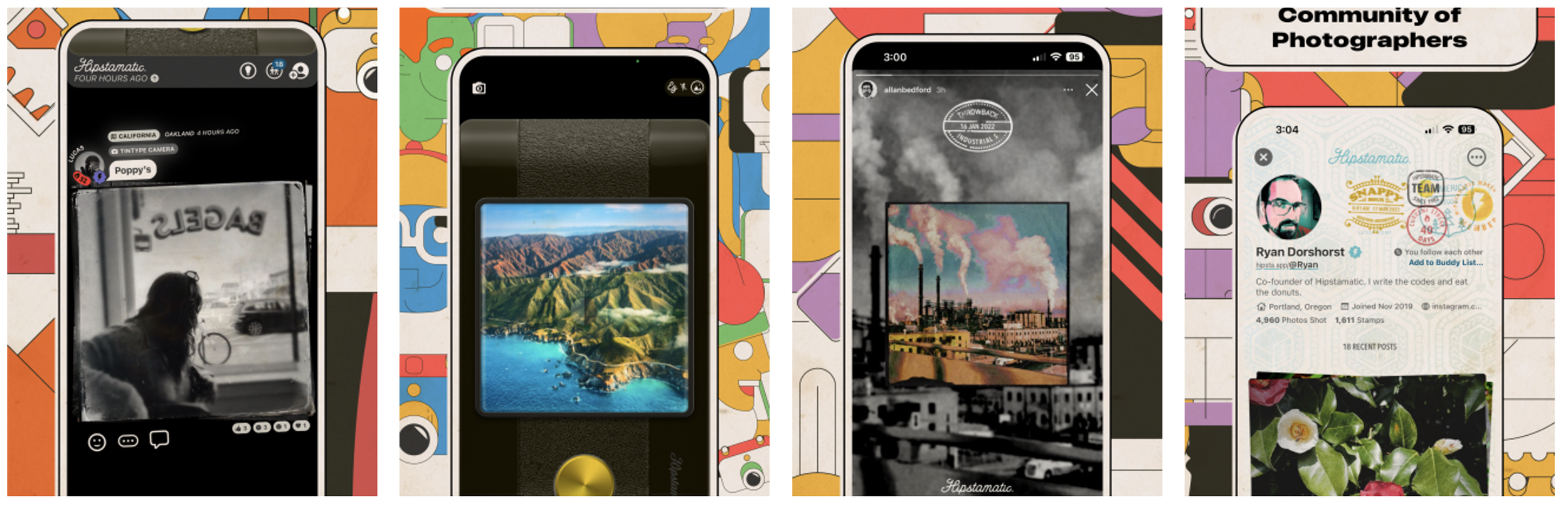
I never considered being a Luddite to be a lifestyle choice, but apparently it’s a trend with Gen Zs looking for “self-liberation from social media and technology”. A rise in awareness around the negative impacts of social media along with interest in nostalgia are driving this trend. Gen Zs are now using digital cameras from the early 2000s, choosing wired headphones, and are increasingly buying “dumb phones” to limit screen time. Fun to see OG camera app Hipstamatic picking up on this trend and making a return as the Anti-Instagram – only photos shown in chronological order. If any Gen Z Luddites are reading this, I have a beauty of a Fuji digital camera available. You might just need to erase a few photos from SARSstock.
 

Trend Decks

  • Ad Creative Trends (Nest): Useful round-up of format and messaging trends for digital ad creative, particularly vertical video. Lots of examples with tips for optimizing paid social campaigns.

  • Video Marketing Playbook (Hubspot / PlayPlay):  Trends and tips from 500+ marketers. Good overview of the value of video marketing (if you’re trying to sell it in), and useful tips for scaling effectively.

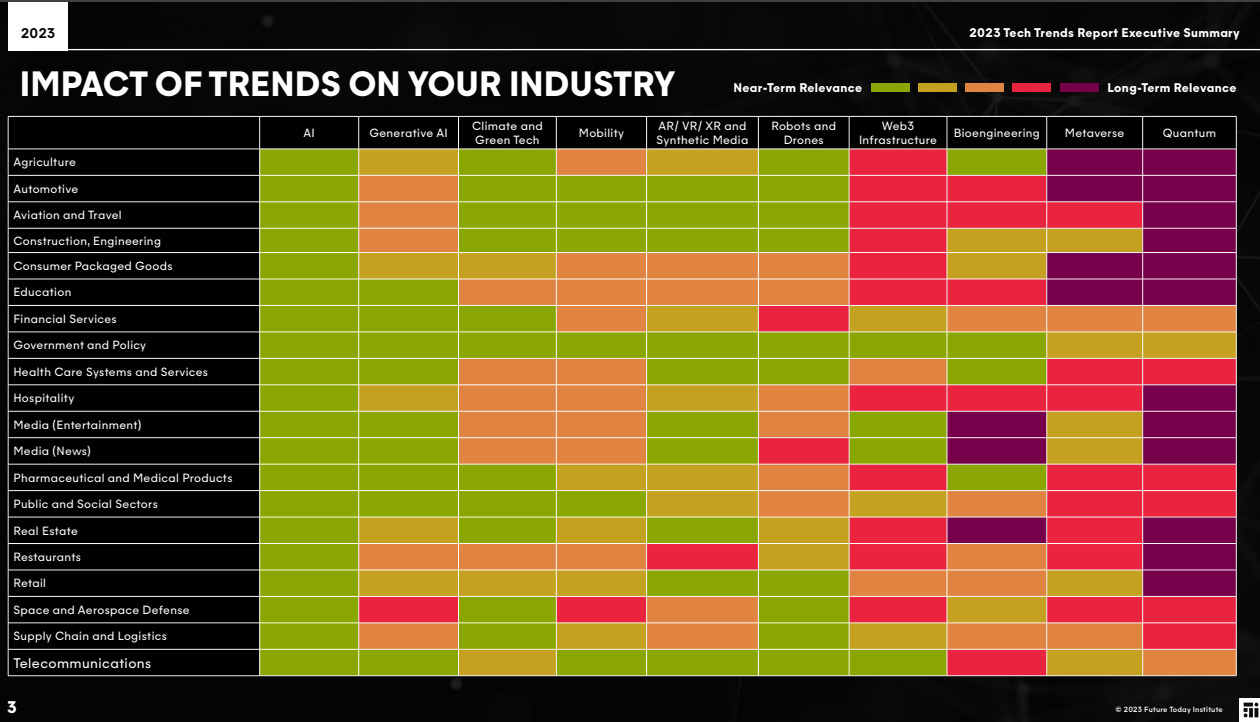
  • Tech Trends (Future Today): Detailed report on tech trends mapped to different industries. Really clear and useful prompting questions for businesses / brands to ask themselves for each trend.


Research & Resources

  • The a16z Marketplace 100, 2023: An up-to-date list of the largest consumer-facing marketplace startups and private companies based on annual gross merchandise volume. Interesting to see the fastest growing companies (see Whatnot).

  • Music: This Audio Culture Report identifies trends from listening habits, and this Global Music Report 2023 provides data on insights on revenue and industry trends. Taylor Swift FTW!

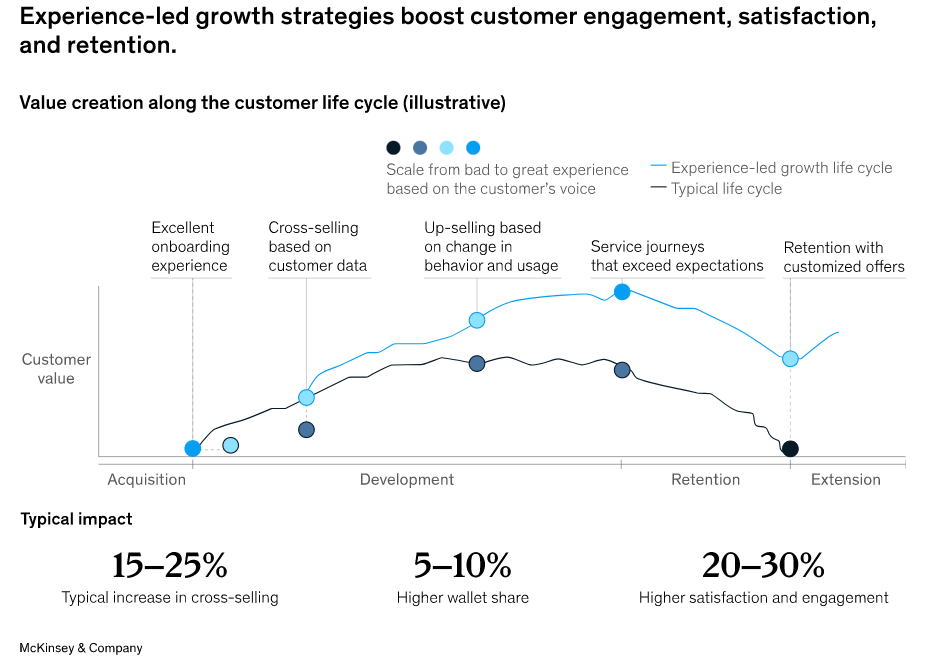
  • Experience-Led Growth: New research from McKinsey that highlights the bottom-line benefits of improving experiences for existing customers. If you’re looking to sell in the value of CX, some great stuff in here.


Cool Beans

Digital Trends: 03.14.23

March Madness is around the corner, so I’m busy completing my bracket. If you’re a marketer looking to bet on the most insane basketball brand collaboration of the season, I have your winner: March Madness Vasectomies.
 

AI & Marketing

How might AI benefit marketing teams and agencies? We’re starting to see clues. Some agencies are starting to use AI to optimize media plans and conduct keyword research. Others are using AI to help produce creative – like these spots for Nike and for Coca-Cola. What role does an agency play in all of this? I liked this quote from Ian Schatzberg: “It will cause a sharpening of the role of the agency as arbiter, curator and conduit into culture.” So, more impact on production than ideation. The problem for agencies is that production is what clients often pay for. There’s an interesting conference coming up in NYC on the intersection of marketing and AI. Road trip anyone?
 
I love seeing how smart folks are discovering practical new uses for AI. Check out this time-saving example that uses a Chat GPT Chrome Plug-In to create customized email messages for a targeted prospect list via LinkedIn. I find these small, smart use cases more helpful to envision where AI is going than dramatic industry pontification. Martech giants like Salesforce are also jumping on this email automation trend big time.
 

Spotify & Tiktokification

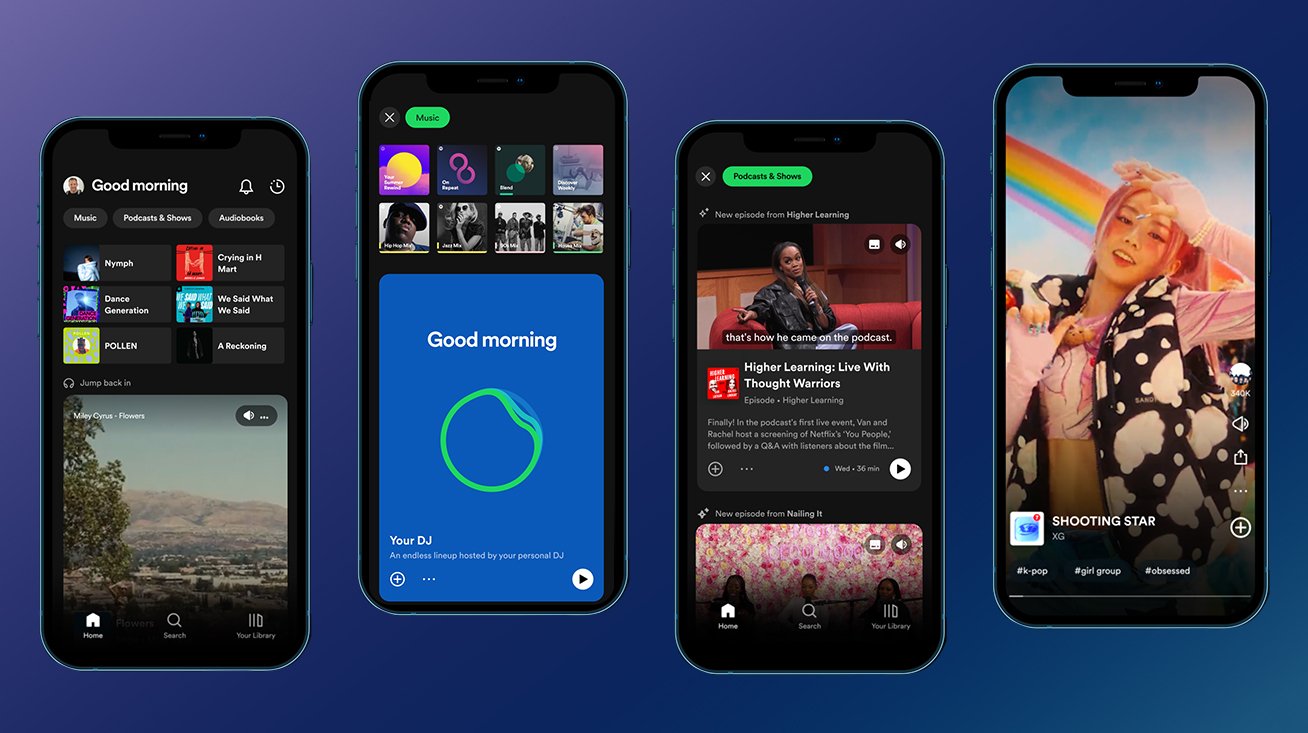
Spotify is the app I use most, so I’m always keen on product updates. The company recently announced that it will be introducing a new UI with a vertical scroll à la TikTok to encourage more engagement with video and content discovery – and possibly attract a younger demo. Interesting language used in this quote from the president of Spotify: “When you have your phone in your pocket, when you’re listening to a playlist, we’re really good at finding similar songs. But there’s another part of the discovery journey, which is foreground discovery. We don’t only want to rely on other platforms to do the foreground discovery.” Never thought to frame content on a screen as foreground, and audio as background – but makes sense (i.e., active vs. passive). Spotify also announced a pilot that allows music companies to token-gate playlists for owners of NFTs.
 
A new entry into the "if you can do something, it doesn’t mean you should do something" category: TikTok is coming to cars. Mercedes-Benz is launching a new E-Class with a selfie-camera and a giant touchscreen that integrates with TikTok. Add this to the already oversized, interactive in-vehicle touchscreens that take up to four times longer to use than old-school buttons. Can’t wait to be stuck at a red-light behind someone perfecting the latest in-vehicle #tiktoktrenddance.


Digital Advertising & Commerce
Eric Seufert refers to Apple’s App Tracking Transparency (ATT) as “an almost extinction event within the digital economy" in this super-smart interview with Contagious. He does a great job of explaining the second order impacts of less precise targeting for small D2C companies (very bad) and Apple’s bottom line (very good).
 
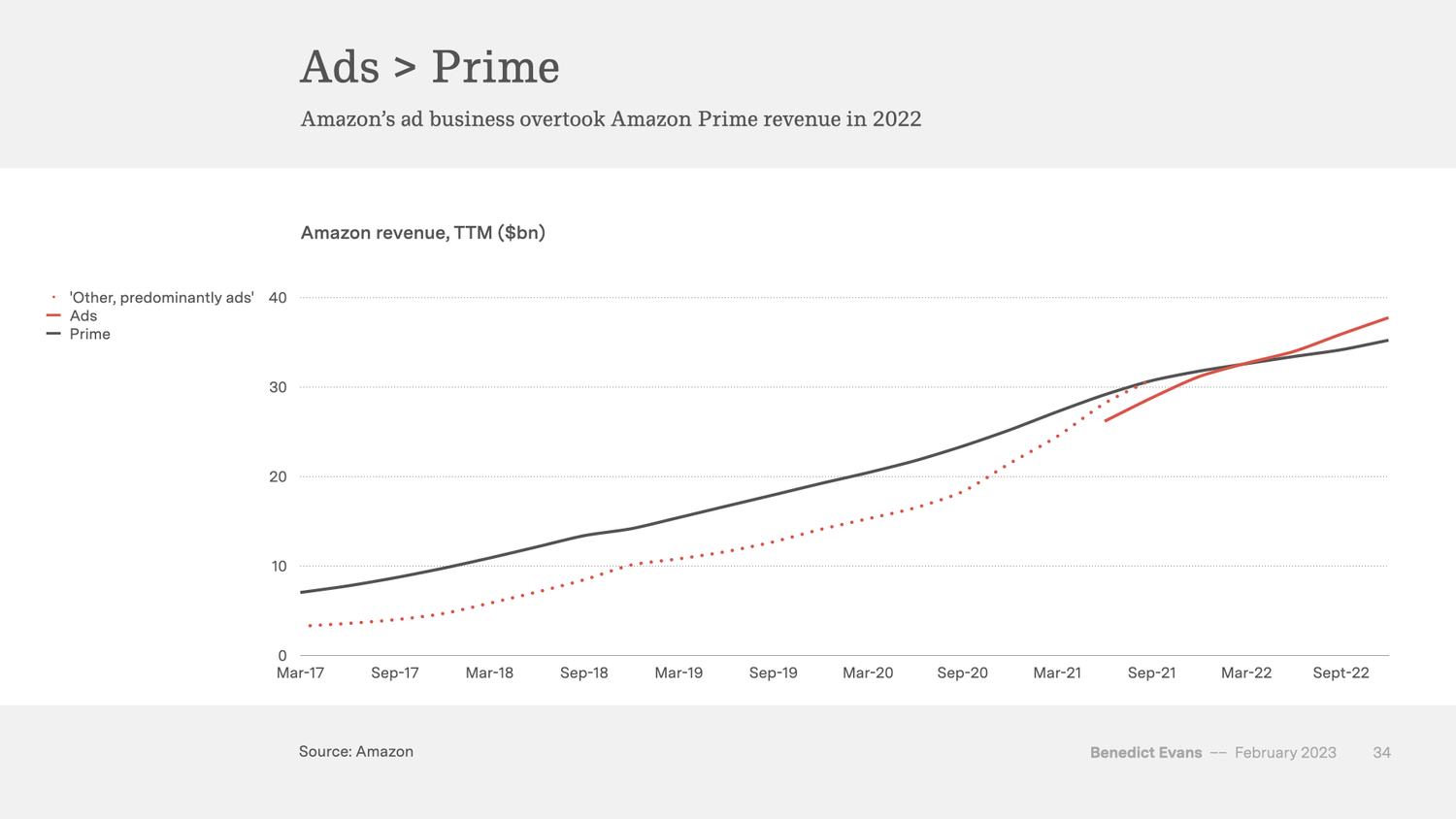
Remember when voice-based ads via Alexa were expected to be all the rage? These smart assistants never really took off beyond being glorified alarm clocks, and Amazon is pivoting away. Instead, the company is focusing on growing its $40B advertising business which is characterized perfectly by Ben Evans: “Are Amazon Ads advertising, marketing, slotting fees, trade dollars, discounts or price discrimination? ‘Yes’.

Smart Reads


Cool Beans

  • Anyone App: A new / old-school social media app concept that allows users to schedule 5-minute calls with strangers – no scheduling, messaging, following, or video.

  • Rollable Smartphone: A new (and I assume very breakable) mobile phone concept from Motorola that allows users to physically increase the size of the display. You have to see it; I can’t explain it without making an off-colour joke (and I already mentioned vasectomies).

  • Presidents with Mullets: Great generative AI art requires great artists to tell the tools what to create. Lucky for us we have Cam Harless who has curated a gallery of US Presidents with mullets, and a gallery of US Presidents as professional wrestlers.


Shaping Thinking

Last year, I put together a quasi-periodic table of visual elements that can be used to help bring more clarity to presentations. Each box includes what I want to communicate (the client’s question that I want to answer) and a visual element to help me do so. As a trainer and consultant, I find that incorporating the right visuals into a presentation or workshop can help me explain things more clearly, structure sessions more effectively, direct the attention of participants, and ultimately influence outputs. If you’re looking for frameworks top help shape thinking, check out the KickframeToolbox with over 55 editable templates to download :-)

Digital Trends: 03.01.23

March already? Yikes - 2023 is going fast. I hope the year is going well for you. Lots of interesting news, trends, and products surfacing with this new wave of AI-driven innovation. Here’s what I’m reading and thinking about these days:
 

AI & Marketing

To start, I’m keen on finding practical applications of AI for marketing teams. Generative AI is fascinating (like using text to image tools to create these novel brand collabs), but I suspect there’s greater short-term value in refining vs. creating marketing assets. For example, I can see a ChatGPT-type of tool being used to adjust the tone of email copy for different audiences – helping marketers build more relevant content at scale. Nestlé is apparently using an IA tool to filter brand creative against internal guidelines – automating the brand police. Smart.
 
From a strategic planning perspective, I’ve been experimenting with ChatGPT for some research work. It feels a bit like a shortcut to summarizing headlines from 50 open Chrome tabs. A potential time-saver if you’re familiar with the subject matter (to spot errors) and if you know what you’re looking for. Here’s an interesting list of examples of using ChatGPT for "innovation" work. And if you’re sick of ChatGPT, you can always try CatGPT.
 

Social & Shopping

My experience with live shopping involves Ron Popeil hawking Dial-O-Matics, Veg-O-Matics, and various other O-Matics on the Home Shopping Channel. Well, live shopping is massive in China and Amazon, TikTok, and YouTube are apparently trying to bring this “new” phenomenon to North America. Shopify is launching a new live video commerce service. A number of new services are blending TikTok-style video with commerce, including Trendio for beauty shopping and TalkShopLive for celebrity partnerships. It’s interesting to see that Instagram is moving away from this area, focusing instead on advertising – and presumably product discovery. I have to think that Shopify and Amazon (shopping platforms) are in a better position than Meta or YouTube (social / media platforms) to win here. Anyone in a rush to upload their credit card to TikTok?
 

TikTokification & Engagement

Rival IQ published a new Social Media Benchmark report that shows engagement rates are declining or remaining flat for all social platforms not named TikTok (lots of interesting data here broken down by platform and topic area). This explains why other social platforms like Instagram are prioritizing short-form video / vertical swiping (see Reels). Even non-social platforms like Spotify are planning to integrate vertical swiping of content to attract a younger demographic, in addition to a pretty awesome AI-powered personalized DJ. Another platform that continues to evolve is Twitch. I love this approach where Twitch tells streamers what is being tested each month through an experimentation hub (instead of covertly soft-launching features that confuse and annoy users).
 

Advertising & Media

Unless you work in retail or in CPG, you may not be that familiar with retail media networks – particularly in Canada. In a nutshell, these are advertising platforms owned by retail companies that third party brands can use to advertise on. In Canada, Amazon, Walmart, and Loblaw are the dominant players with others on the horizon. In fact, Amazon advertising has grown so fast that the revenue that made last year from advertisers was comparable to the entire global publishing ad market! A new report by the ANA (US) shows that marketers are attracted to these networks primarily for access to retailer first-party data and use these networks primarily for conversion-focused campaigns (not awareness).
 
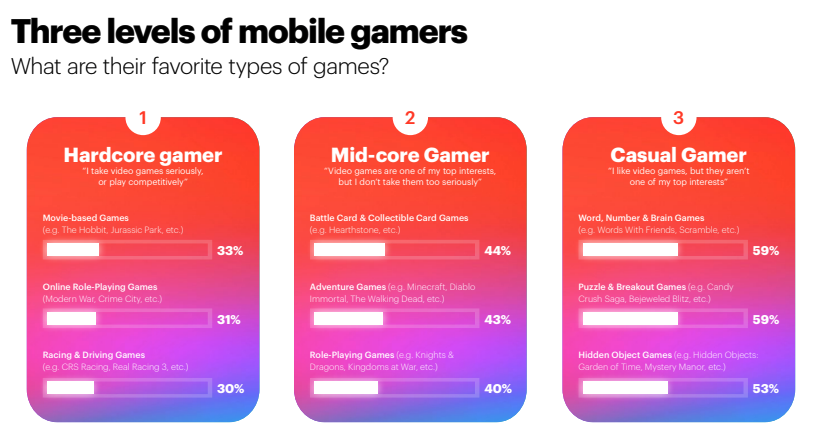
Another area of advertiser growth is in gaming. According to a new YouGov report, 42% of American adults play mobile games for at least an hour per week. It has a useful breakdown of gamer types. Contagious has a free webinar tomorrow (March 2nd) that I’ve signed up for on the topic of Brands & Gaming. Lots of opportunity here.
 

Cool Beans

  • Immersive Memories: Wist is a new service that turns your photos into immersive experiences you can relive via VR / Mobile AR. Pretty sure I saw this in Total Recall, which did not end well.

  • Undeniable Street View: Amazing use of Google Street View, visualizing different streets in Ukraine before and after battling from the war.

  • Flexible Speakers: Apple has patented a new version of its smart speaker that can be bent and wrapped around different surfaces.

  • Before Midnight: Finally, the greatest innovation of all – dance parties that end at a reasonable hour so old farts like me can stay awake and get to bed at a reasonable hour!


Kickframe Toolbox

Whenever I teach a digital marketing or strategic planning course, participants always want to get their hands on the templates and frameworks that I use. So, I decided to post them all online. You can access all of these frameworks along with instructions at KickframeToolbox.com. If you’re interested in accessing editable versions for your presentations (PPT, Google, PDF) and video lessons for choosing and using, you can do that as well by purchasing the Marketing Template Kit - or in the words of Ron Popeil – the Template-O-Matic. I’ll refund any purchases for those who aren’t satisfied – no questions asked :-)

Digital Trends: 02.14.23

Why does everyone hate February? According to ChatGPT, “February’s dislike by some is due to factors like cold weather, short length, and lack of festivities, but whether someone dislikes February or not is subjective and varies from person to person.” Sounds about right. Hope your February is going ok :-)
 

Learning AI & Marketing

One of the most effective ways to understand a new technology is by actually using it. In my digital marketing training courses, I often incorporate ‘homework’ for participants to try out and reflect on new tools. It not only helps participants to get more comfortable with the technology, but it also gets everyone thinking ‘how might I actually be able to use this?’ I’m starting to weave generative AI tools into my training programs; for example, when we cover:

It’s still early, but I’ll share if any useful marketing use cases emerge.
 
The area of generative AI emergence that I’m most interested these days is how it will impact search. Google recently announced its ChatGPT-rival Bard, and demonstrated how the technology might work in the context of search. Will online search become just become chat? Will generative AI kickstart the flatlining smart speaker market? How will publishers acquire traffic if links are not provided? What does this mean for the future of Google and its ad-supported business model? It feels like there will be different search services for different search modes (e.g., looking for options vs. looking for answers).
 

FRESH REPORTS

  • The New Gatekeepers: No one tells stories through charts better than Ben Evans. His latest presentation points to what’s next in tech, and covers retail media, ecommerce, and of course AI. I found his ‘What is ‘TV’ Anyway?’ section really thought-provoking. A must read.

  • Digital Culture Review (We Are Social): Smart deconstruction of what's working in social content (and why it’s working). These trends are so unique to TikTok, no wonder companies are looking to hire for the specialty. For what it's worth, I’m loving the ‘soothing and suspenseful’ posts - like those from my man The Bread Guy.

  • Challengers to Watch 2023 (Eat Big Fish): From the authors of one of my fav biz books – a super smart and fun round-up of the themes and brands driving the challenger ethos. The featured brands are smart and creative, including a product that’s making its way onto my Father’s Day Wishlist.


WHAT’S TRENDING

  • 11 Tech Trends to Watch: These trends were identified by CB Insights by apparently analyzing investment activity, earnings call transcripts, media mentions, and patents. Not sure I’m bullish on the ‘digitizing of scent’, but we’ll see?

  • Dentsu Creative Trends 2023: Smart deck that’s worth a download. Interesting to see how many trends are a direct response to our collective COVID experiences – like looking for more joy and ‘cultural shock’.

  • Meta Trending Trends 2023: Matt Klein does an admirable job of clustering and naming trends from 50+ trend decks. Interesting to see how he illustrates the evolution, collision, and combining of trends over time.


COOL BEANS