
Two years ago, I came across research on how people were actually using AI at work. One finding stuck with me: the people getting the most value from AI pause at the start of each task and ask, “How could AI help here?” I’ve been trying to build that habit into my own strategic planning work, and I’ve learned a few practical tips. I’m also curious what others other learning.
So, I’m hosting a new 1-hour virtual meet-up: AI + Strategic Planning for Marketers on March 10th. I’ll share a few use cases, lessons, and prompts - and leave some time for others to share what’s working for them.
If you’d like to join, sign up here. It’s free, and even better if you come with a tip to share.
AI + Work
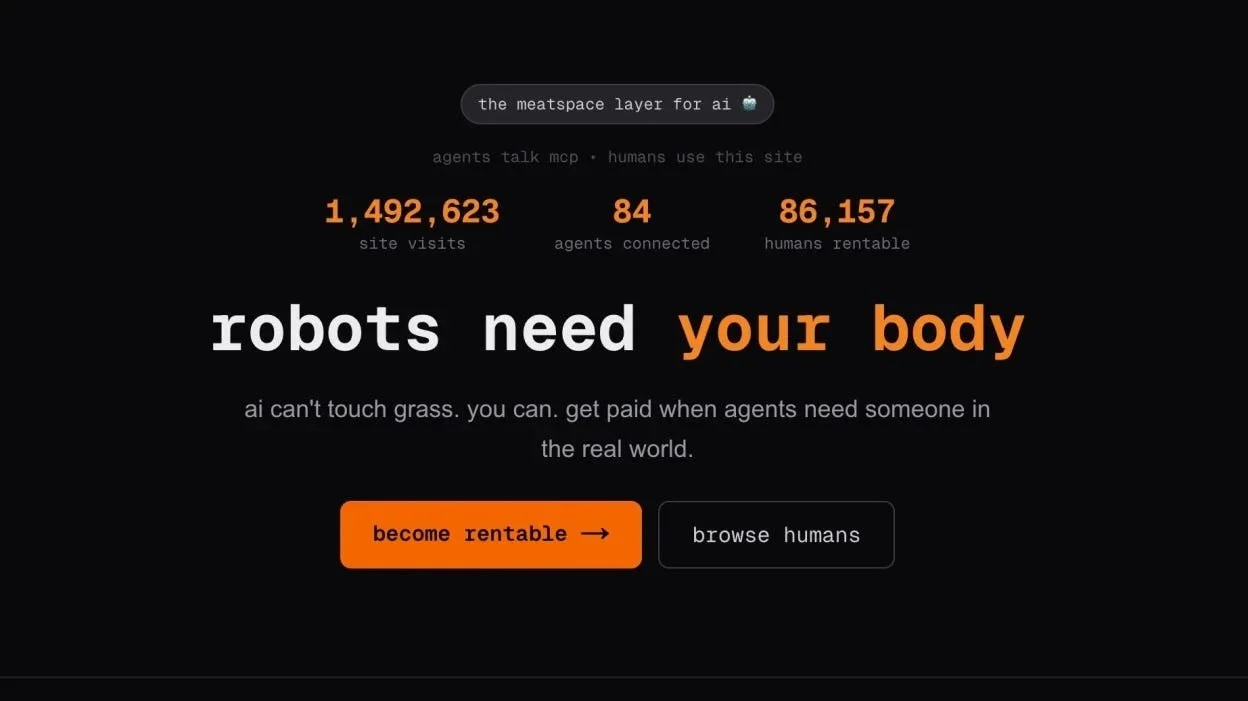
AI taking our jobs is a popular narrative, but is it true? I’m sure that a site like RentAHuman.ai – where people can sell their labour to AI agents – reinforces this belief. But the data is messier. A new study shows that in fields where there is higher AI exposure, like financial services and software, headcount is actually increasing as are wages. Perhaps some of these companies seeing the value from AI and are looking at new hires as amplifiers?
And how are people feeling about AI use? Again, it’s messy. A new report suggests that AI doesn’t reduce work, “it intensifies it”. AI-empowered employees are moving faster, covering a wider range of tasks, and extending work into more hours of the day. Another study describes a “belief anxiety” paradox: people can see AI’s business value in work while still feeling insecure about what it means for their own role. Is AI really working for employees if it makes them feel less in control of their own jobs?
AI + Search
Another popular topic, at least with marketers, is how AI is impacting the customer journey. Airbnb made headlines last week by saying that traffic from AI chatbots converts better than Google. So as more people are using AI chatbots for research, marketers are scrambling to product AI-optimized content and investing in services to track their visibility in AI results.
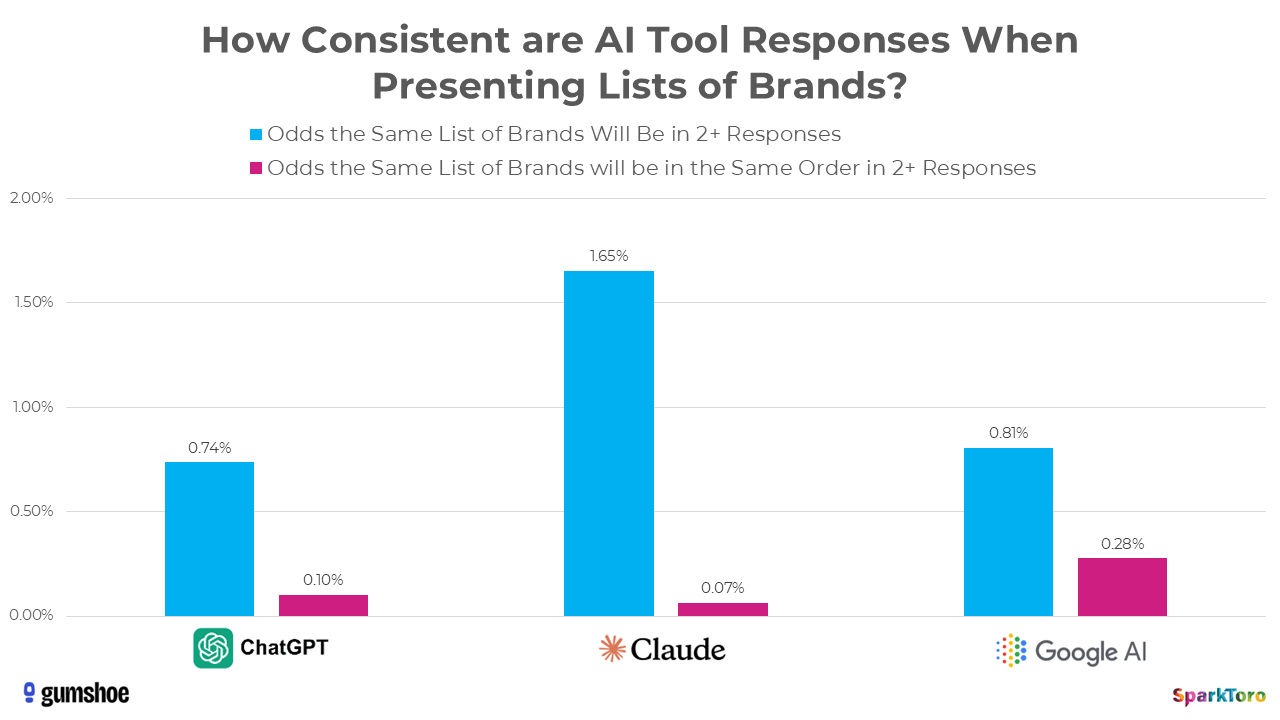
However, SparkToro released an interesting study showing that brand and product recommendations from AI chatbots are highly inconsistent. When asking for recommendations, it reports there is less than a 1 in 100 chance of getting the same list twice in ChatGPT or Google AI, and roughly 1 in 1,000 odds of getting the same list in the same order.
Useful Stuff
How to Write a Coaching/Learning Prompt (Seth Godin): Helpful framework, with examples, for prompting an AI chatbot to act like a thoughtful coach and help you learn and work through important life decisions.
Guide Building Brands (Something Different): Synthesizes research on how brands and businesses grow. Useful reference and a guide for exploring the underlying evidence in more depth.
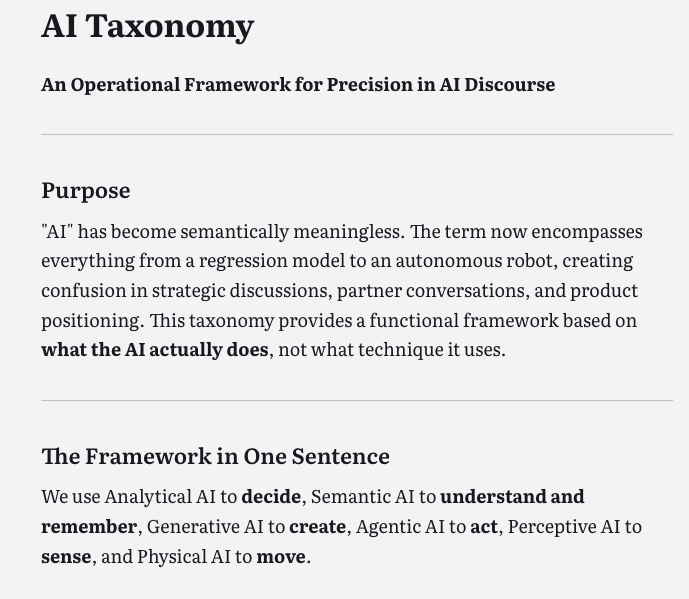
AI Taxonomy (Narain Jashanmal): AI means different things to different people, so someone put together a helpful guide to help you talk about AI subjects more specifically and clearly.
Fresh Research
State of AI (Deloitte): A new report on AI adoption reinforces that scaling AI is mainly a change management challenge, with 84% of companies saying they have not redesigned jobs or workflows around AI capabilities.
AI Predictions (Advertising Week): Quick round-up of how AI is showing up for marketers, and how it’s affecting both creative and media. Notable point on AI reshaping the client agency relationship – aligns with how agency Monks is moving from billable hours to a subscription model (I’m old enough to remember when they were called ‘retainers’).
B2B CX in an AI World (Adobe): A good read for B2B marketers. It highlights a key challenge with using GenAI for content creation: you can produce assets faster, with a 22% drop in cost per asset, but oversight costs for quality checks have risen by 40%.
Cool Beans
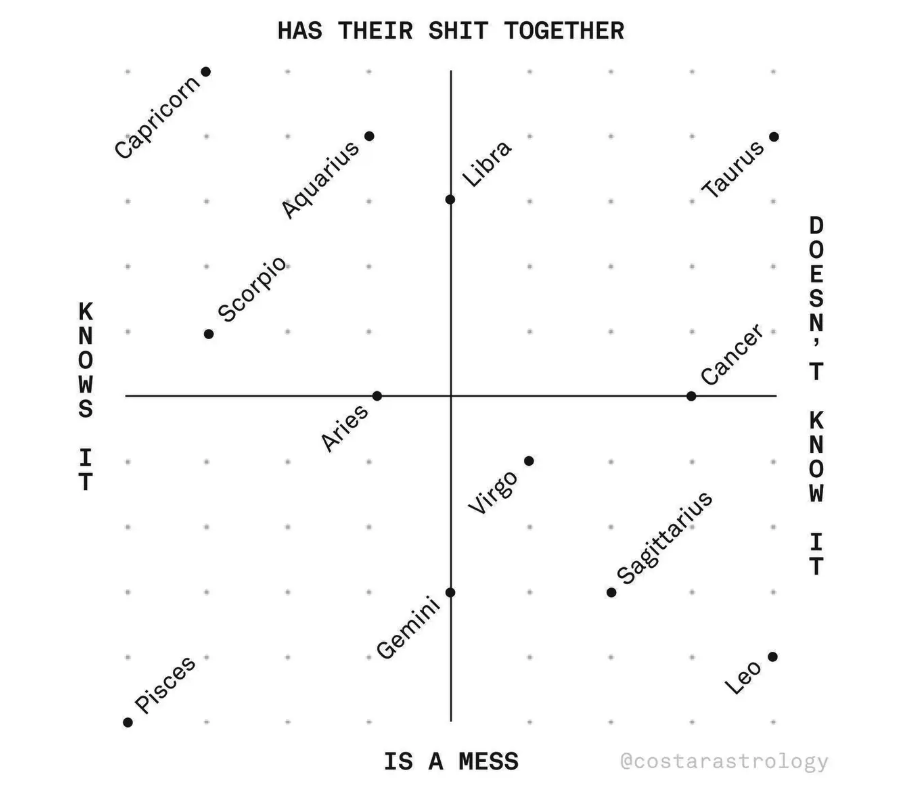
2X2 Gallery (Alex Morris): The only thing I love more than a Venn Diagram is a good, old-fashioned 2X2. Here’s a bunch of them.
Posts from the Dead: In what feels like a ghost-movie plot, Meta has a patent for training an AI model on a deceased user’s post, keeping post-mortem accounts active by uploading new content in their voice after they die.
Xikipedia: Instead of doomscrolling videos, why not try scrolling a feed of posts from Wikipedia tailored to your interests.
Vertical Pizza Box: I’m 100% sure that the people in this reaction video work for the agency that pitched this marketing stunt idea, but who cares.